October 2025
Month 20xx
Charmaine Gooden
Jacob Marion
Highlights
- Born in Halifax, Carvery became the city's first Black male model signed to a professional agency in the 1970s.
- Over his 35-year career, he modelled in fashion shows, commercials and photo shoots while also working as a flight attendant for Air Canada.
- Despite the racial discrimination at some shows, his talent and professionalism earned him widespread respect and helped normalize Black representation on runways.
- Carvery partnered with Jessica Bowden as Halifax's Black modelling duo, trained aspiring models, and opened doors for future generations of Black talent.
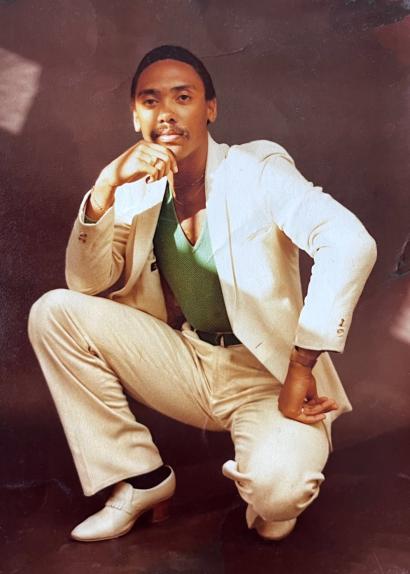
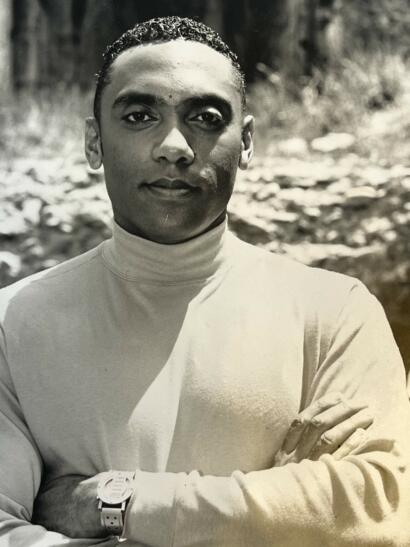
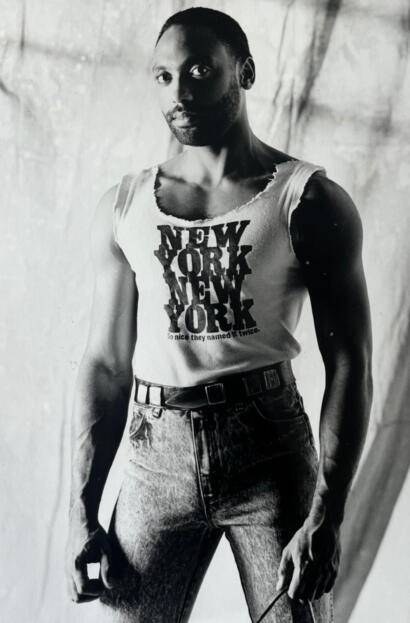
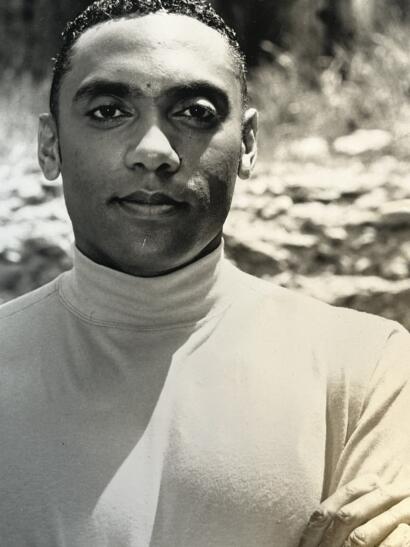
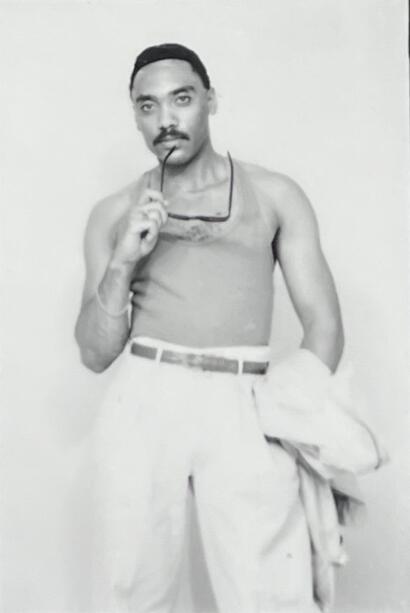
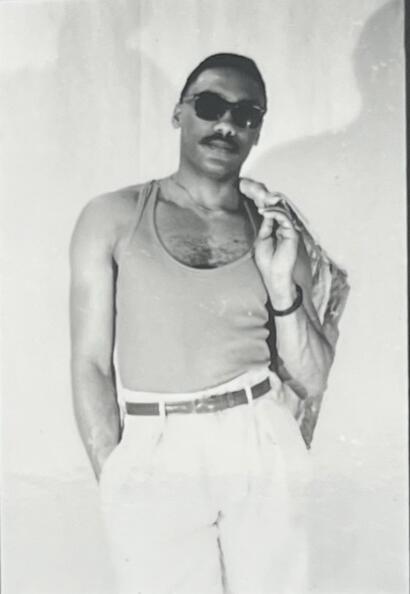
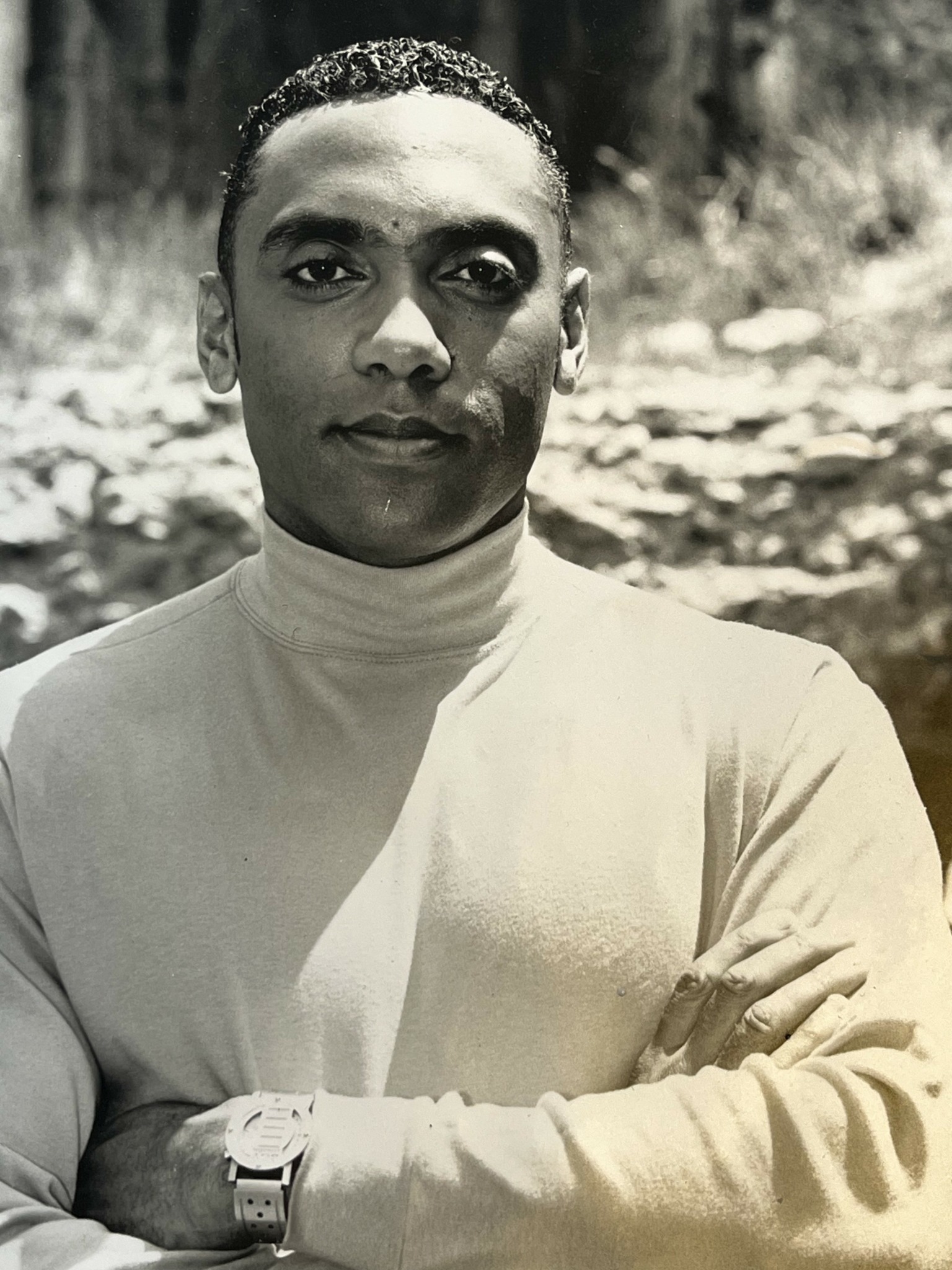
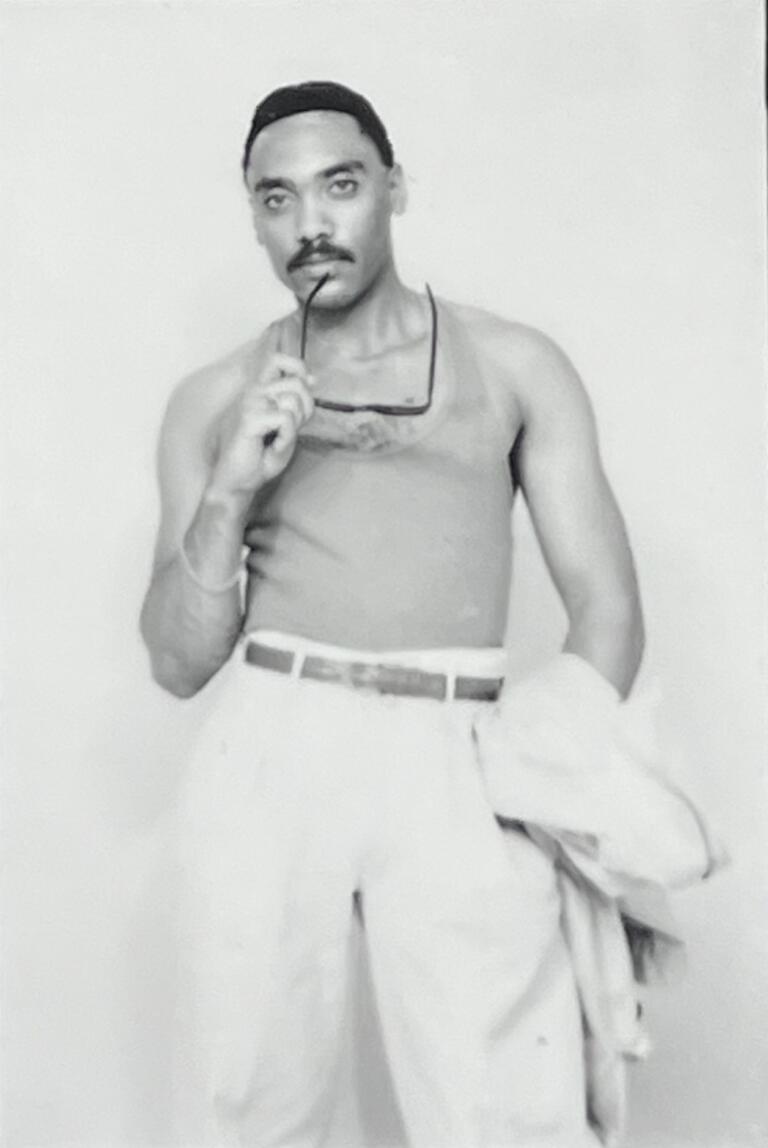
In the 1970s and 1980s, Halifax’s fashion scene was small but vibrant, buzzing with the energy of newly opened malls, designer boutiques, and the passions of youthful communities. In this dynamic setting, Kevin Carvery emerged as Halifax’s first Black male model signed to a professional agency. Over a 35-year career spanning runways, commercials, and photo shoots, Carvery carved out a path that defied stereotypes.
Though Halifax’s fashion world was small, the challenges were real, especially when race entered the conversation. His talent and professionalism transcended colour barriers, earning him respect from designers, photographers, and audiences alike. He was a trailblazer who helped shape Halifax’s fashion identity and expanded its horizon.
Early Life and Career
Born and raised in Halifax, Nova Scotia, Carvery grew up as the youngest of eight siblings in a deeply rooted Canadian family. Both his parents were Canadian-born; his mother with Indigenous roots and his father from Montreal, making Carvery part of one of the relatively few multi-generational Black Canadian families in Halifax at that time.
His childhood was shaped by Catholic schooling, first at St. Stephen’s Elementary School, then graduating from Saint Patrick’s High School in 1975. “I was extremely shy, really quiet,” he recalls. “There were only maybe seven Black kids in a school of 200 white students. I stuck close to my twin sister and kept to myself.” He attended St. Mary’s University to study psychology, but decided academia wasn’t his path and left after two years.
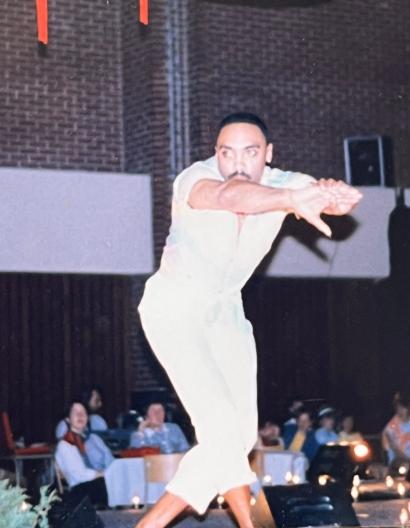
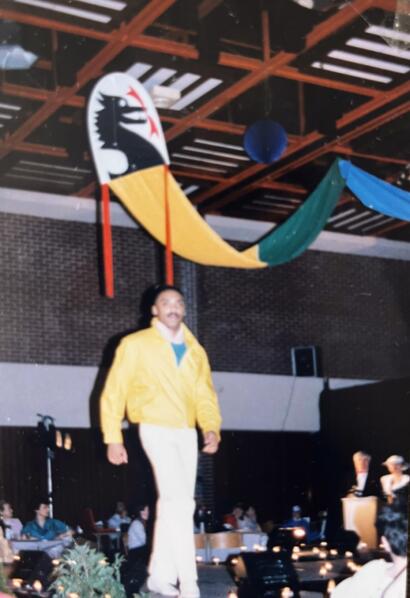
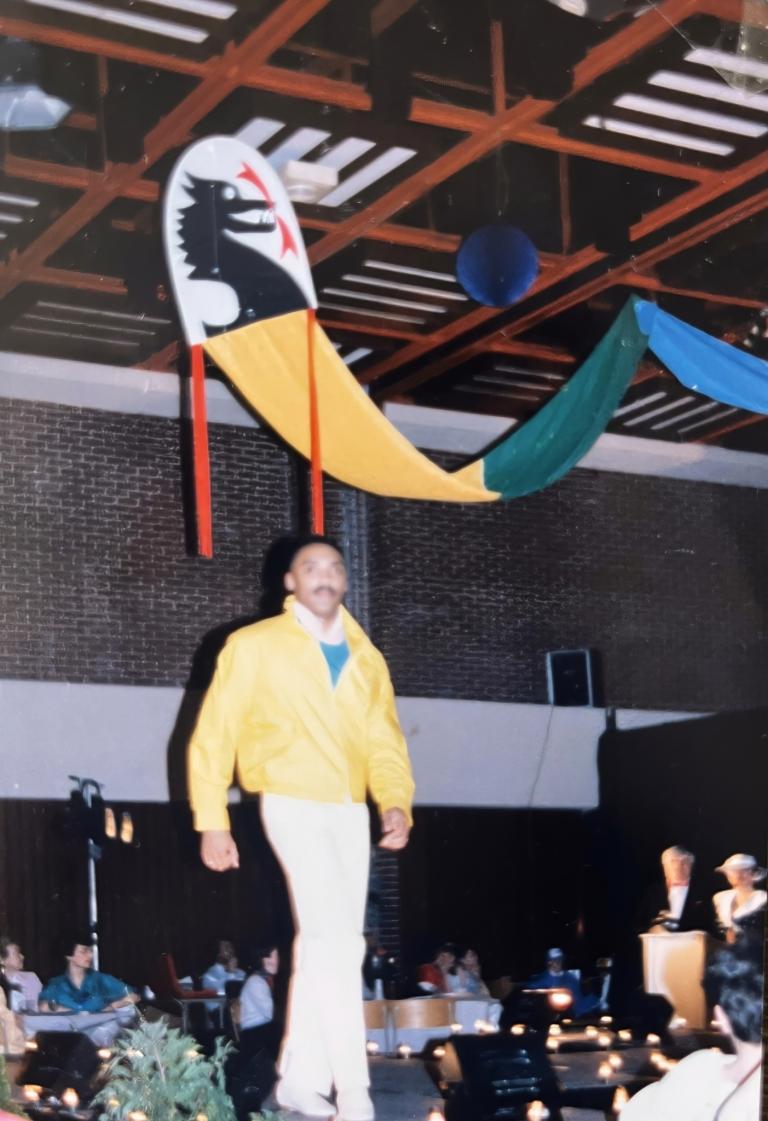
At age 16, he landed a job as a salesperson at Big Steel, a men’s clothing store in the newly opened Mumford Mall. The mall hosted a fashion show in its inaugural year, and for that event, the organizers used employees from various stores as models. Carvery was among them. “It was a modest beginning, but I loved it,” he says. “I was shy, but when I stepped onto the runway and saw the applause, I felt alive. It brought me out of my shell.” The following year, the mall hired professional models, but Carvery was invited back as the sole employee to participate alongside the pros.
This was the moment when Carol Lesbriel, a show coordinator and former model herself, spotted Kevin’s potential. Taking him under her wing, she trained him alongside seasoned professionals. Under her mentorship, Carvery polished his skills, eventually becoming an instructor at The Group modelling agency, training aspiring models on the nuances of runway performance. His transition from shy teenager to confident runway star was complete.
This special section creates a spread of 2 photos that will jut out into the side margin.
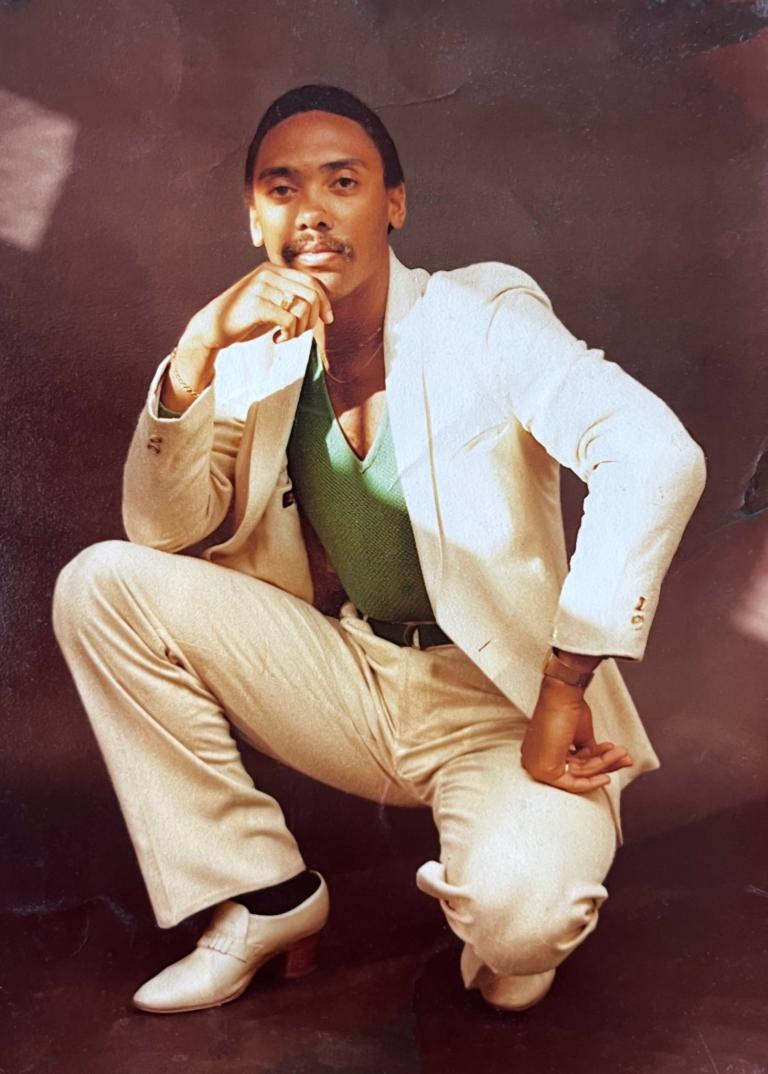
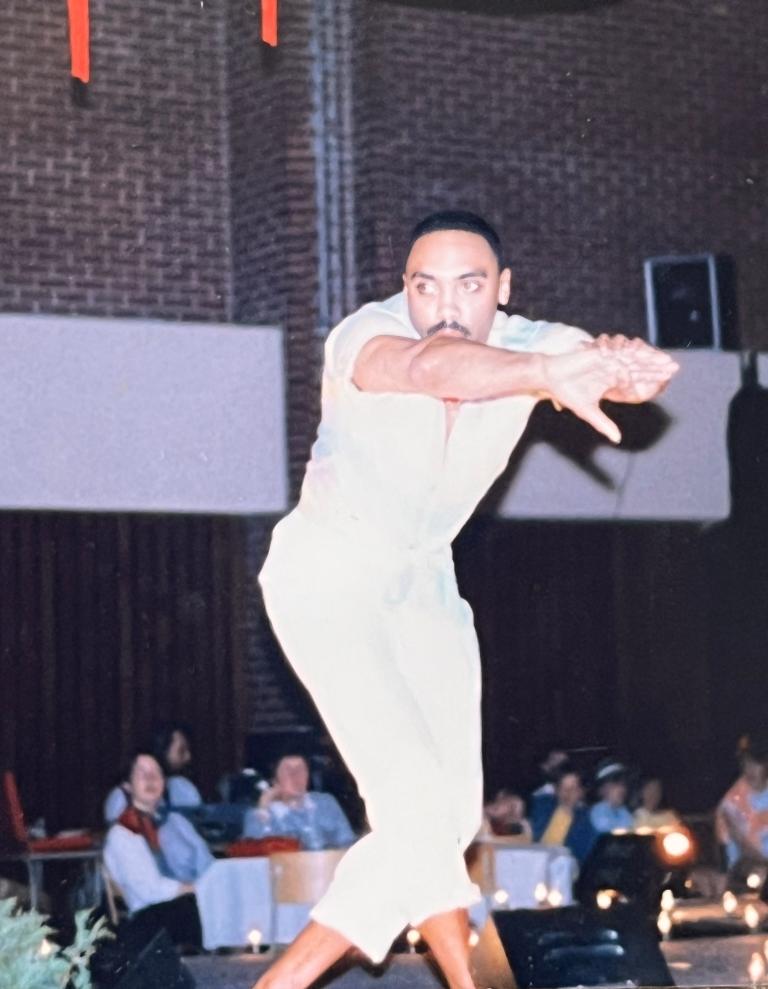
Together, Carvery and Bowden became the face of Black modelling in Halifax throughout the 1970s and 1980s.
They worked in tandem, rehearsing, performing, and representing Black excellence in an industry still grappling with diversity.
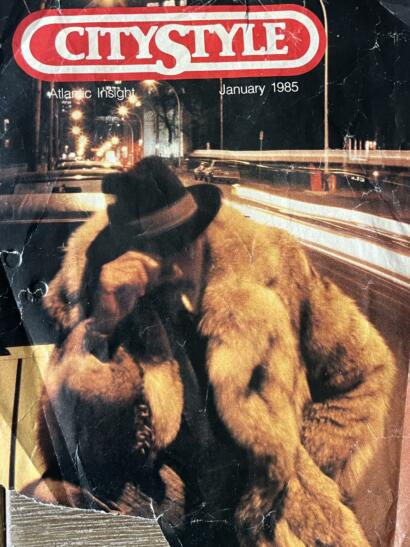
From that point forward, Carvery’s career blossomed. For years, he was a staple in fashion shows across Halifax and beyond, travelling to smaller towns like Truro and New Glasgow, even Toronto and Winnipeg. He modelled in numerous mall fashion events, commercials, and photo shoots for local businesses, including telephone companies and furriers. “At the peak, I was doing three or four shows a week,” he recalls. “It was hectic but exhilarating.”
Carvery worked alongside Jessica Bowden, Halifax’s first Black female model, and together they formed a near-exclusive duo representing Black talent in the local modelling scene for many years. Both trained at The Group and often shared stages for mall shows and charity fundraisers.
Asked about Carvery’s talent on the runway, Bowden emphasizes his fluidity and mastery of the stage. “Kevin became one with the stage. He had the music and the beat.” She recounts a time when the music shifted mid-show, and Kevin adapted instantly. “The music changed halfway, and he was able to do a back step, come back, and change the walk’s tone seamlessly.”
Bowden and Carvery shared an unspoken communication during shows. “If we were on stage together and there was a change in music, Kevin would look at me, give me a blink or turn his head a certain way, and we knew exactly what he meant.” This fluidity, she notes, is rare today.
Paradoxically, as the industry grew bigger, jobs became fewer in the late 1990s. Beyond modelling, Carvery became a flight attendant for Air Canada in 1989, a career that anchored him while he continued to model intermittently. Yet, his identity as a model remained a core part of who he was. “Modelling gave me confidence. It was my niche, my calling,” he reflects.
Fashion and Diversity
Though Carvery’s career was successful, it was not without its racial challenges. The 1970s and 1980s fashion scene in Halifax was predominantly white, and despite the progress he made, the colour of his skin was still a factor in how some shows and clients operated. He remembers shows in places like Yarmouth and Truro where organizers explicitly resisted having Black models on stage. “They didn’t want any Blacks in the show,” he says plainly. “But Carol always stood up for us. She told them, ‘If you don’t want my Black models, there will be no show.’ And she meant it.”
While Carvery’s agent shielded him from much of the overt discrimination, the message was clear: he was breaking new ground in a field that hadn’t fully accepted people of colour. “There were moments when I wouldn’t wear certain clothes just to make a point,” Carvery says. “I’d say, ‘If I’m not welcome, I’m not wearing their clothes.’ But those moments were few.”
More often, Carvery felt embraced on the runway. His undeniable talent and professionalism effortlessly transcended racial boundaries, gaining him the respect of designers, photographers and fans alike. “Most shows I did, I was one of maybe one or two Black people in the audience, but I was appreciated by everyone. That meant the world to me,” he confides.
Together, Carvery and Bowden became the face of Black modelling in Halifax throughout the 1970s and 1980s. They worked in tandem, rehearsing, performing, and representing Black excellence in an industry still grappling with diversity. This partnership was a beacon of representation in a predominantly white industry. “We were often the only Black faces in the room,” Carvery says. “But we held it down, and that made a difference.”
Influence and Legacy
Carvery was Halifax’s first Black male model signed to an agency. His career spanned over 35 years, with his last show just a few years before the COVID-19 pandemic halted live events. Throughout that time, Kevin adapted to the changing landscape while remaining a steady force in fashion circles. His presence contributed to the normalization of Black representation on local runways and in commercials, breaking down barriers and expanding opportunities for younger Black models.
“I helped train a lot of Black models who came after me,” he says. “I showed them what was possible. I helped them build skills and confidence and taught them the runway, how to command it, how to perform.”
Reflecting on his journey, Carvery is modest yet proud. “I think I broke that barrier between Black models and the industry. I showed people that Black talent could shine in major stores and companies,” he adds. His presence challenged outdated stereotypes and opened doors for those who came after him.
Bowden, his frequent modelling partner, praises Carvery’s professionalism and dedication. “He was a chameleon. He took what he did seriously. He always showed up ready, and when it was showtime, he owned it,” she adds.
I was shy, but when I stepped onto the runway and saw the applause, I felt alive. It brought me out of my shell.
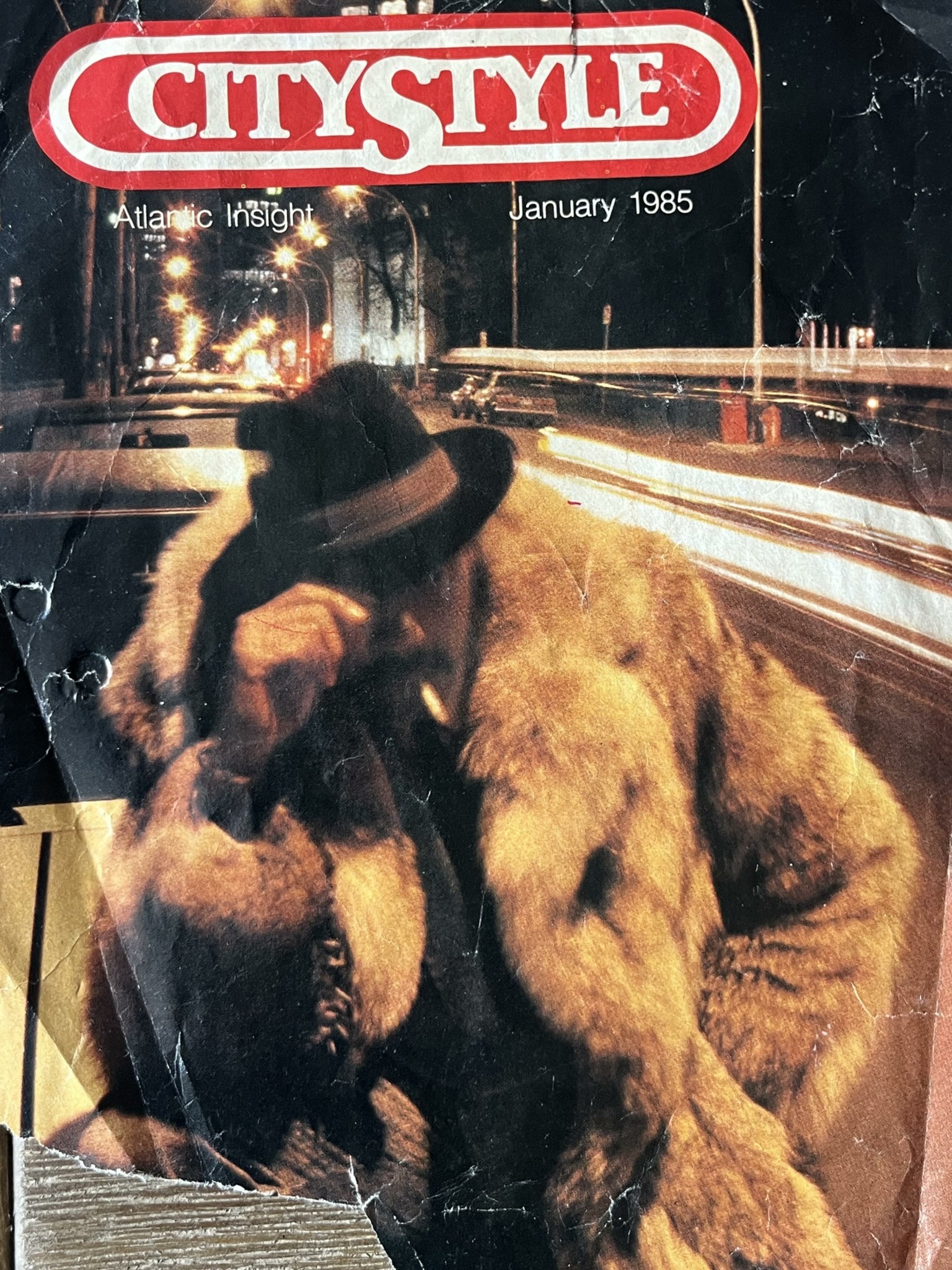
Looking back, Kevin describes his journey with gratitude and pride. “It was an amazing experience that brought me out of my shell. Despite the racial challenges, I felt appreciated by all colours of people. It was one of the best times of my life.”
He challenged misconceptions about Black men in fashion and proved that talent and professionalism know no colour. By carving space for himself and those who followed, Carvery contributed to a broader conversation about diversity and inclusion in Canadian fashion.