


 Close
Close
The first Black model to gain prominence in Canada during the 1950s.

August 2025
Month 20xx
Dominique Gené
Charmaine Gooden
Jacob Marion
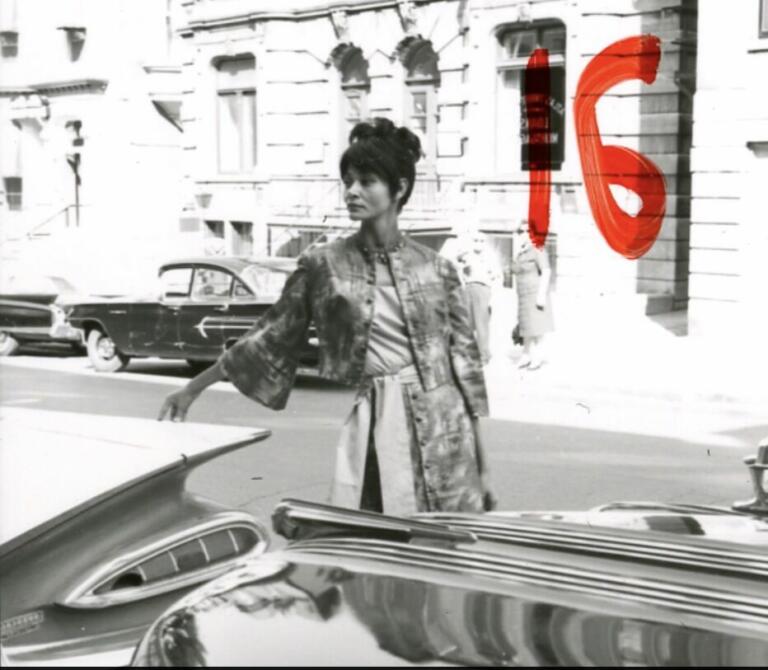
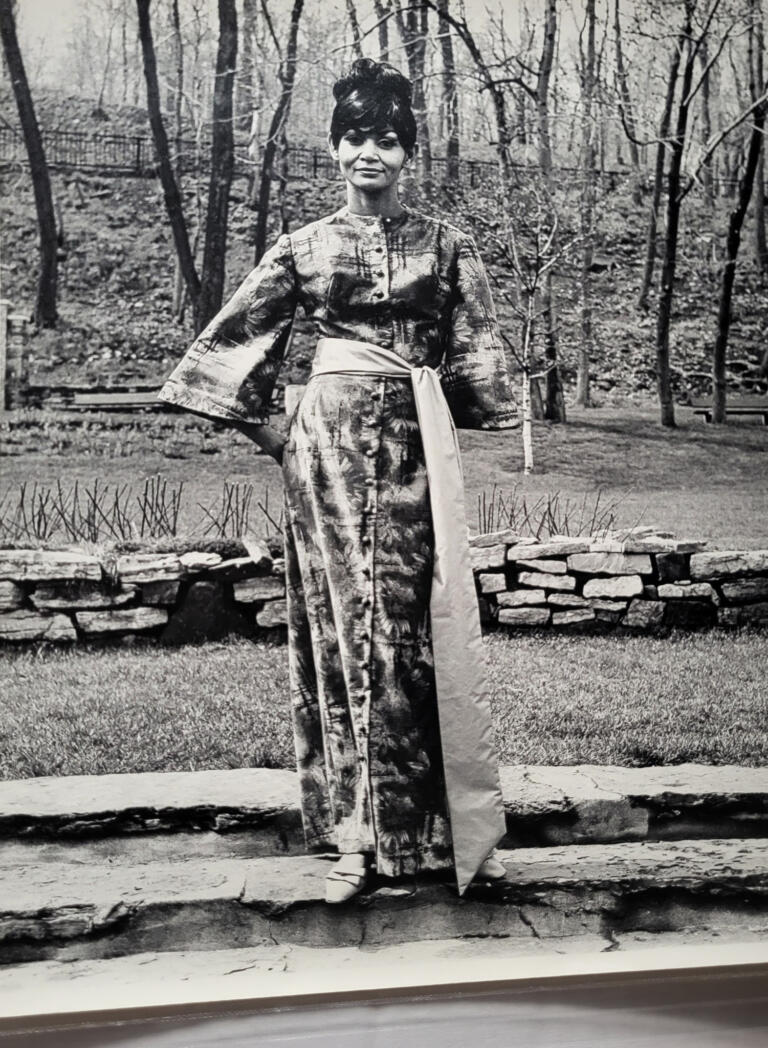
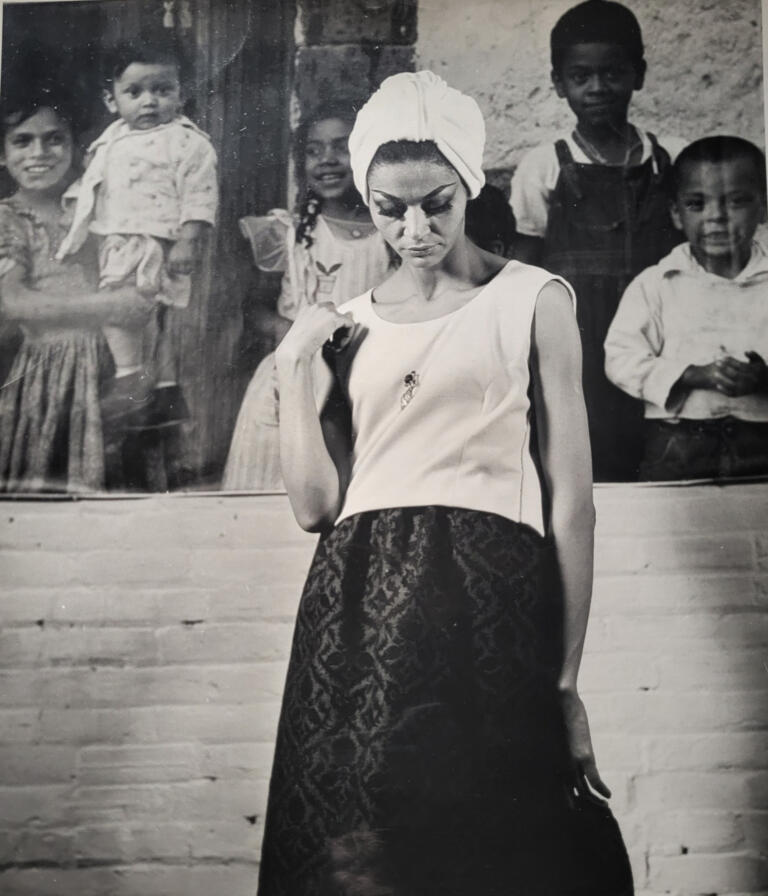
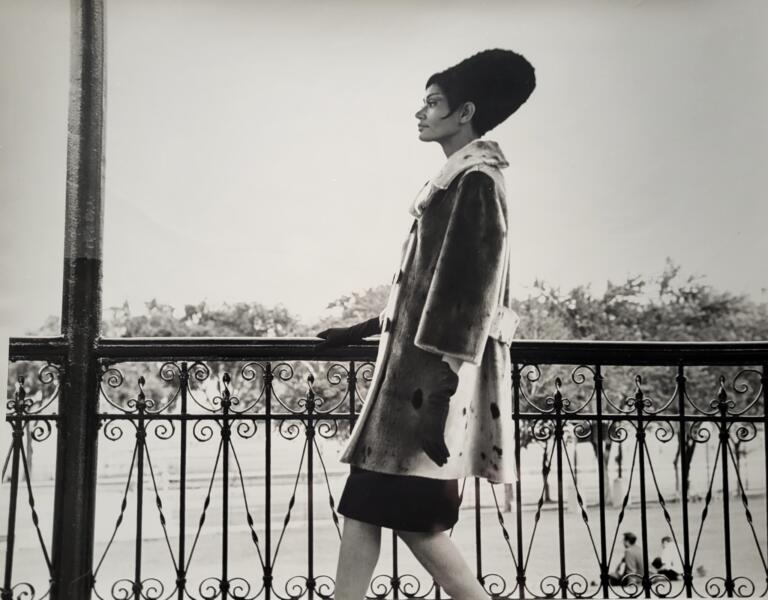
Those who knew or worked with Johanne Harrelle say she was poised, charming, with a magnetic air. The first Black woman to gain prominence in Quebec and Canada’s fashion industry, Harrelle was an enigma.
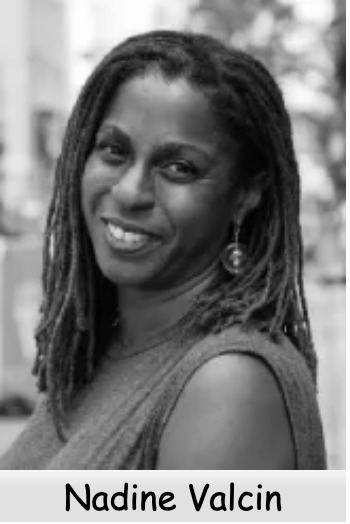
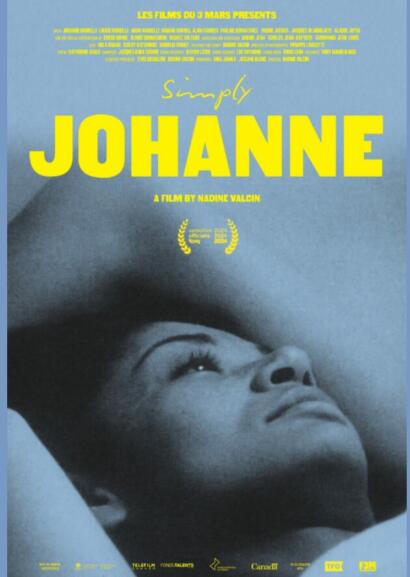
Simply Johanne, a 2024 documentary by Nadine Valcin, is the latest tribute celebrating the life and career of Harrelle. It features interviews with fashion designers who worked with Harrelle, as well as friends and loved ones.
“What was it like to be a Black woman in the 1950s and 1960s before I was a model? I was a Black francophone. I was seen as exotic. I was seen as fun, different and charming. I perfected my accent and diction. I didn’t speak in joual, and that was on purpose,” says Harrelle in the documentary.
Before her fame, she was Joan Harell, born on January 29, 1930, to Berthe Demers, a French-Canadian woman, and Tucker Harell, an African American. After her father died of tuberculosis in 1932, her mother, who’d fallen ill of the same disease, was confined to a sanatorium for treatment. Harrelle and two younger brothers were sent to an orphanage.
Separated from her siblings, Harrelle grew up at Crèche d’Youville, a French orphanage in Montreal. The nuns who ran the establishment changed her name to Johanne and taught her French. There were many attempts at placing her for adoption, but none were successful.
After a tumultuous upbringing, she reinvented herself as an international student from Haiti at Université de Montréal.
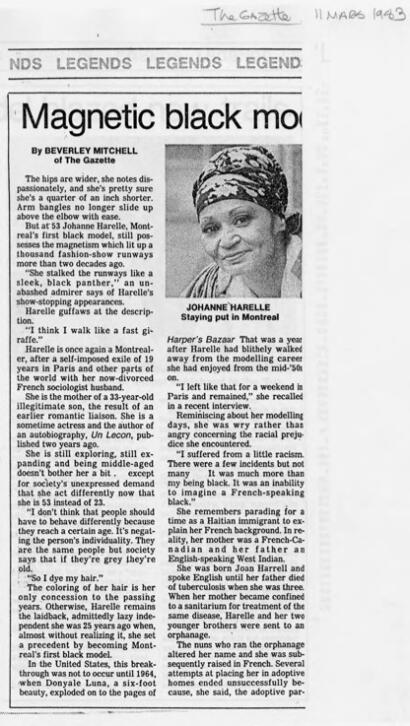
Harrelle was scouted as a model by Iona Monahan, the legendary fashion editor at the Montreal Gazette, confirms Valcin.
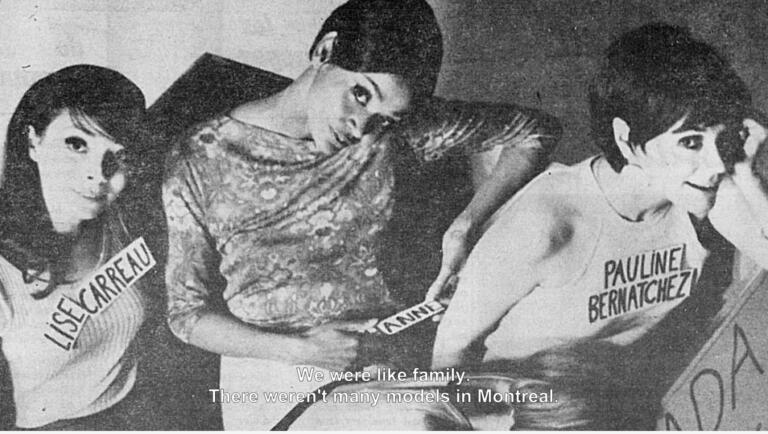
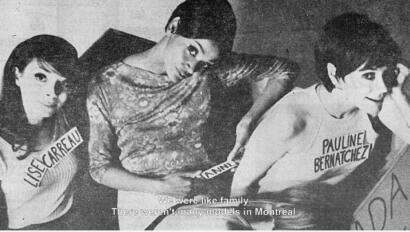
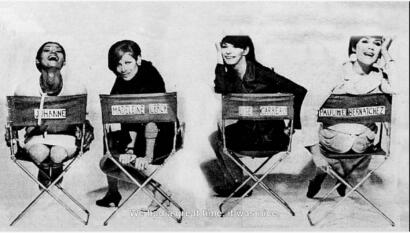
Pauline Bernatchez, owner of Pauline’s Model Management, an agency operating in Paris and New York in the 1980s and 1990s, recalls her time with Harrelle in the industry. ”We would always meet at the couture houses, and we travelled [across] Canada from Montreal to Vancouver. We had a great time, it was nice. We were like family. There weren’t many models in Montreal.”
Jacques de Montjoye, a French fashion designer, says of Harrelle in Simply Johanne, “She reminded me of the queen of Egypt with that posture. The bust of Nefertiti. With her chin out, like she was wearing a tiara. Johanne had a remarkably regal look.”
“She was a marvel on the catwalk. A bird of paradise. She walked with a panther’s gait. Even in normal life, when we walked the streets,” says Bernatchez.
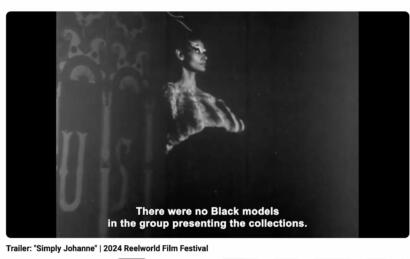
There were no Black models in the group, presenting the collections. She was the first, and she remained the only one for years.
Johanne was stunning. She reminded me of the queen of Egypt with that posture. The bust of Nefertiti. With her chin out, like she was wearing a tiara. Johanne had a remarkably regal look.
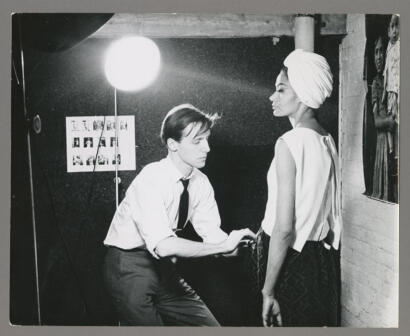
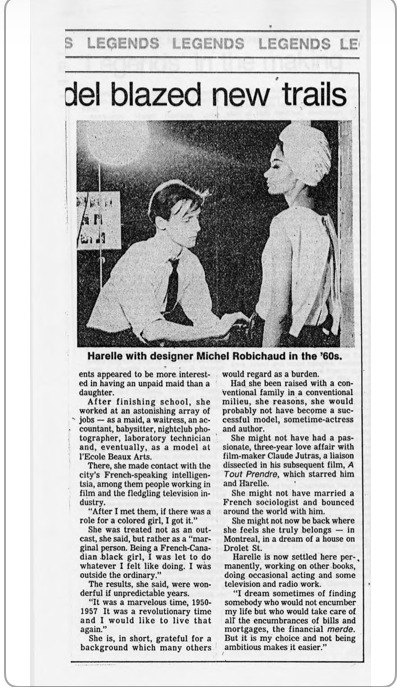
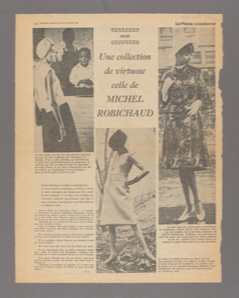
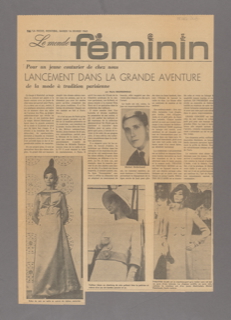
In the 1960s, Michel Robichaud, a young Canadian fashion designer, returned to Montreal from Paris, opening a couture house and beginning to work on his first collection. He had asked Monahan, who was the fashion editor at The Gazette, to provide him with a list of models. Among the names was Harrelle.
While she was remarkable at her job, Robichaud recalls that Harrelle was always late. “She often came with some friends who didn’t have any money. So, my wife would feed everyone.”
Their time together blossomed into a beautiful friendship. “She was always open, sincere and present. She wasn’t the ideal model, but she was the ideal friend.”
In 1968, Robichaud threw a party at his boutique on Crescent Street in Montreal and invited many of his clients. He remembers Harrelle being the life of the party, always singing and dancing. “When she was around, you were never bored,” says Robichaud.
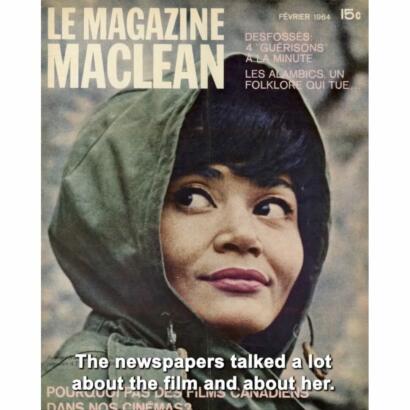
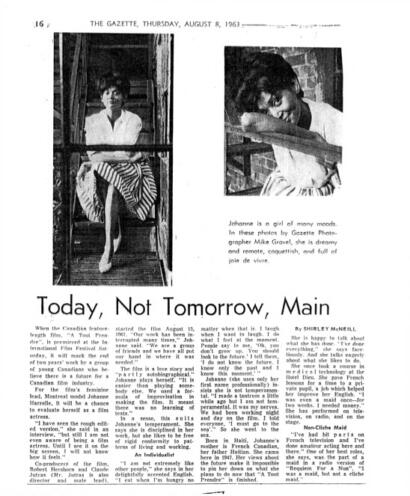
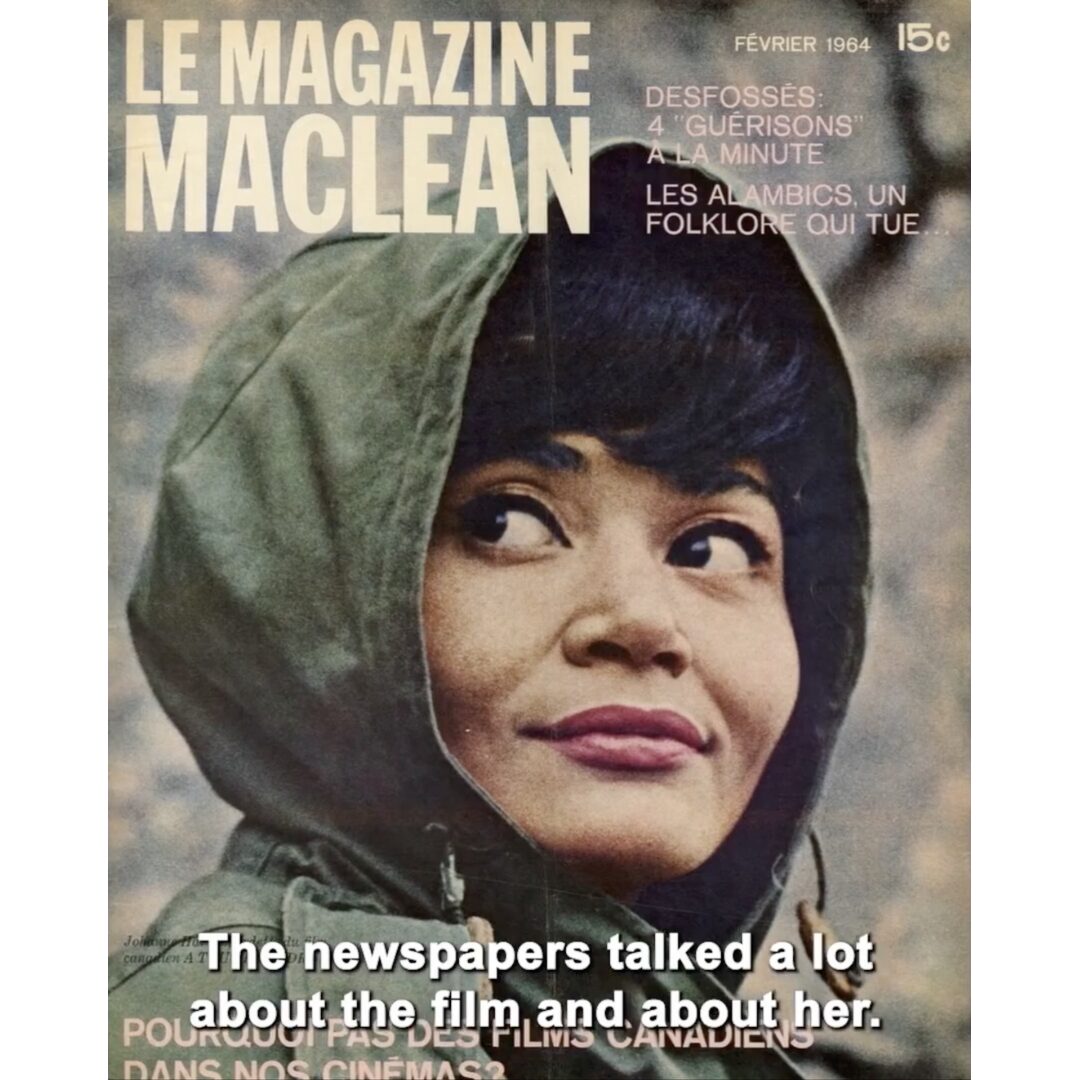
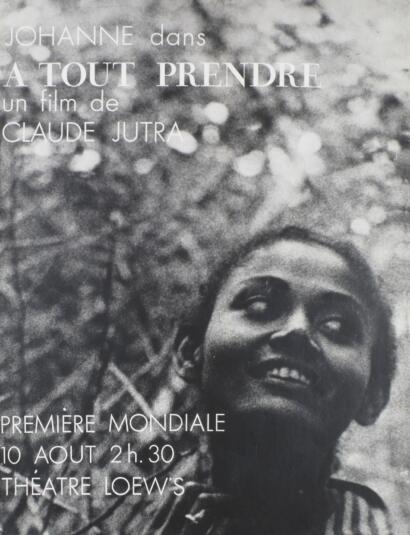
In addition to her modelling career, Harrelle was an actress. She starred in her first feature film, À tout prendre, by Claude Jutra in 1963. The semi-autobiographical piece tells the love story between Jutra, a young man trying to break into the film industry, and Harrelle, a young Black woman who is orphaned and married, pursuing a modelling career.
À tout prendre won Best Feature Film at the 16th Canadian Film Awards.
Harrelle had to go to Paris for a screening of the film, but didn’t have anything to wear, Robichaud recalls. “I lent her an entire wardrobe to go to Paris. These were great memories,” he says.
This special section creates a spread of 2 photos that will jut out into the side margin.
Harrelle’s success in the fashion industry, which was still homogenous at the time, was groundbreaking.
When Robichaud presented his first Spring collection on February 13, 1963, with Harrelle alongside 12 other models, he recalls getting some negative feedback because Harrelle was Black.
“It was a difficult era then, when not a lot of people hired Black models,” he states during a phone interview with BFC. He continued working with Harrelle on his other collections, despite the backlash.
Harrelle’s fabricated Haitian identity was a way to cover up her upbringing and to fit into a cultural narrative that was more acceptable, says Valcin.“It was in part because people couldn’t believe in the existence of a Black Quebecois francophone woman at the time,” she tells BFC.
The Black community in Montreal in the 1930s was primarily Anglophone. Most of them came from the United States and were jazzmen. Valcin says, to that community, Harrelle was an outsider.
Robichaud shares the sentiment that Harrelle adopted this identity to be accepted. “I think she didn’t want to talk about her family. So, she found a beautiful story to sell herself as a model,” he says.
Harrelle herself admitted that being othered sometimes worked in her favour. “I was accepted because I was exotic. I was like a chameleon.”
Valcin suggests that Harrelle’s ability to adopt different identities was a significant factor in her success as a model and actress. “I think there was something interesting about pretending to be somebody else.”
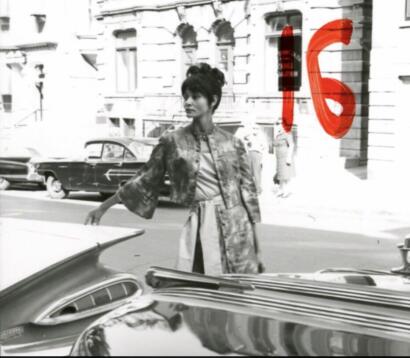
Harrelle worked primarily in high fashion with designers like Raoul Jean-Fouré, John Warden and Marcelle Fleury, says Robichaud. She was often one of the few Black models in the industry.
“There were no Black models in the group presenting the collections. She was the first and she remained the only one for years,” says Montjoye of Harrelle.
Even after gaining prominence, she still faced barriers. “When you’re a model in Canada and you reach a level of celebrity, you might think that you’ll be accepted right away. But that’s not the case,” says Harrelle in Simply Johanne. “You have to work very hard. And really, you have to be lucky to reach the top echelons,” she adds.
When Robichaud presented his first Spring collection on February 13, 1963, with Harrelle alongside 12 other models, he recalls getting some negative feedback because Harrelle was Black.
“It was a difficult era then, when not a lot of people hired Black models,” he states during a phone interview with BFC. He continued working with Harrelle on his other collections, despite the backlash.
Despite her challenging upbringing, Harrelle reinvented and forged a path for herself into one of North America’s first Black models.
In 1963, she left Montreal for France, where she met Edgard Morin, a French sociologist and writer, whom she married in 1972.
In March 1980, she published Une leçon, a partial autobiography. Later in life, she returned to acting, starring in small supporting roles in the TV series Marisol and Scoop.
Above all, Harrelle lived a full life, always open to new encounters.
“My life is very focused on the human being, on the ‘other’. I see myself in the other,” Harrelle told journalist Minou Petrowski on May 27, 1980, in an interview promoting her book. She died of cancer on August 4, 1994, in Montreal.
You were never sure you truly knew her. You’d wonder what character she when you spoke to her Was it the model? The worldly woman? The intellectual? She was all these at once.
And she performed being Johanne.
Robichaud reminisces about Harrelle, her larger-than-life character and their friendship. “Johanne wasn’t normal. The others were real models who were always on time. But Johanne, she was an image, a character. And that’s why she became a friend.”
Harrelle was a flawed, evasive and multi-faceted human being who dealt with the hurdles of being a Black woman in a predominantly white industry and remained resilient.
“You were never sure you truly knew her. You’d wonder what character she was when you spoke to her? Was it the model? The worldly woman? The intellectual? She was all these at once,” says Montjoye.
Simply Johanne by Nadine Valcine (2024) can be viewed on Vimeo.
Johanne’s impact on Montreal’s fashion scene was substantial, and her story was well-documented during her career. “Simply Johanne” brings her legacy to life with remarkable depth and sensitivity.