


 Close
Close
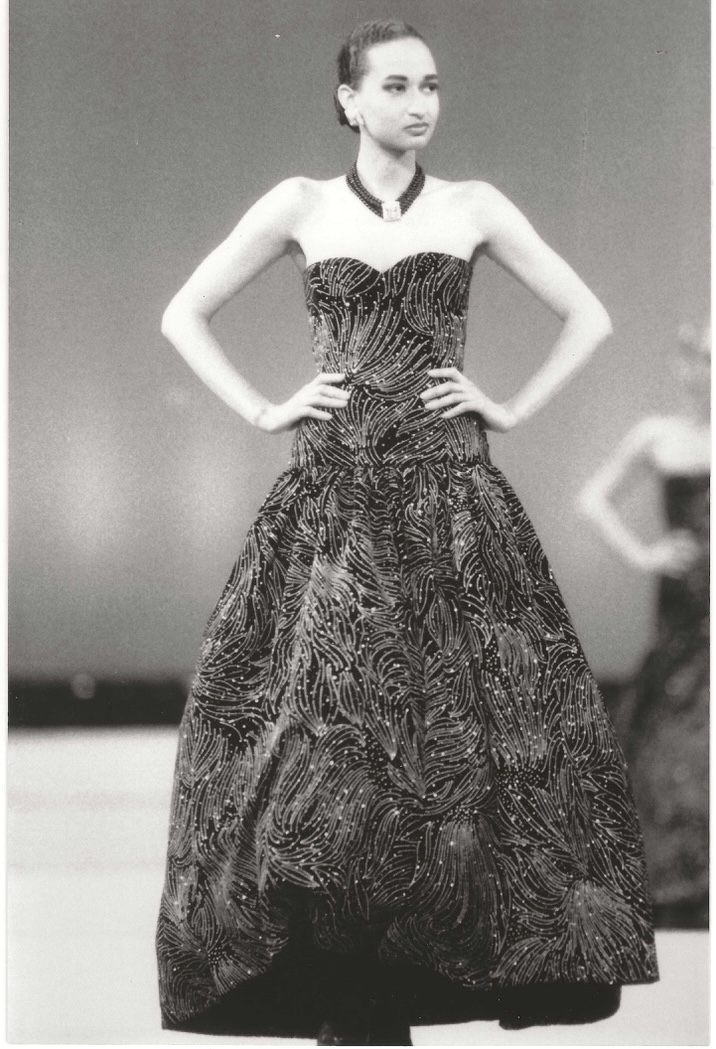
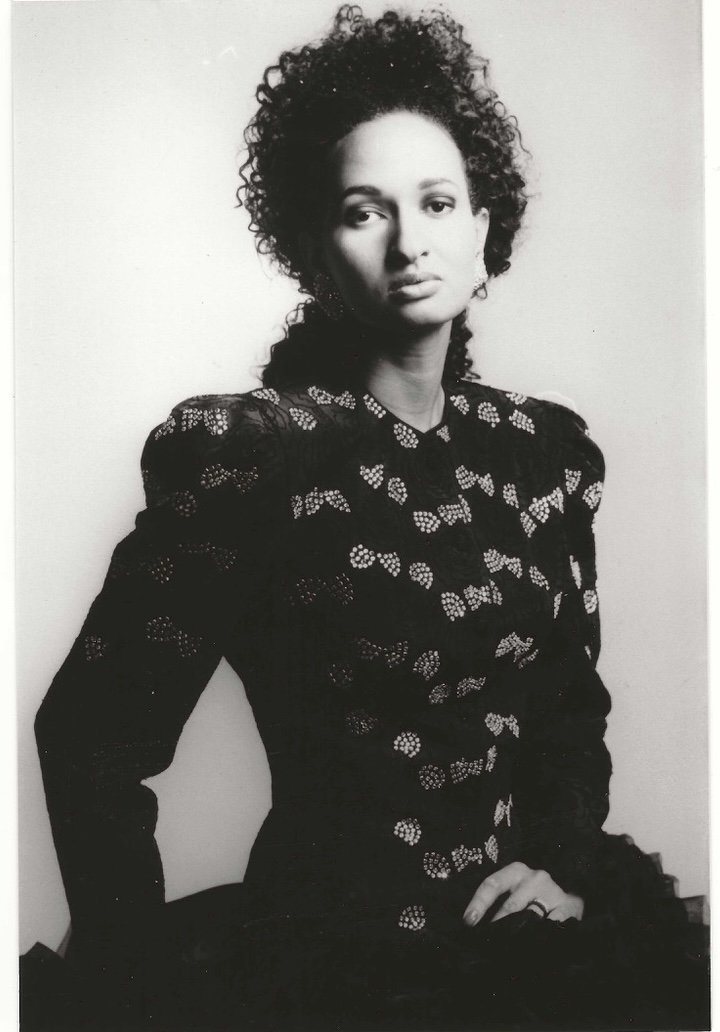
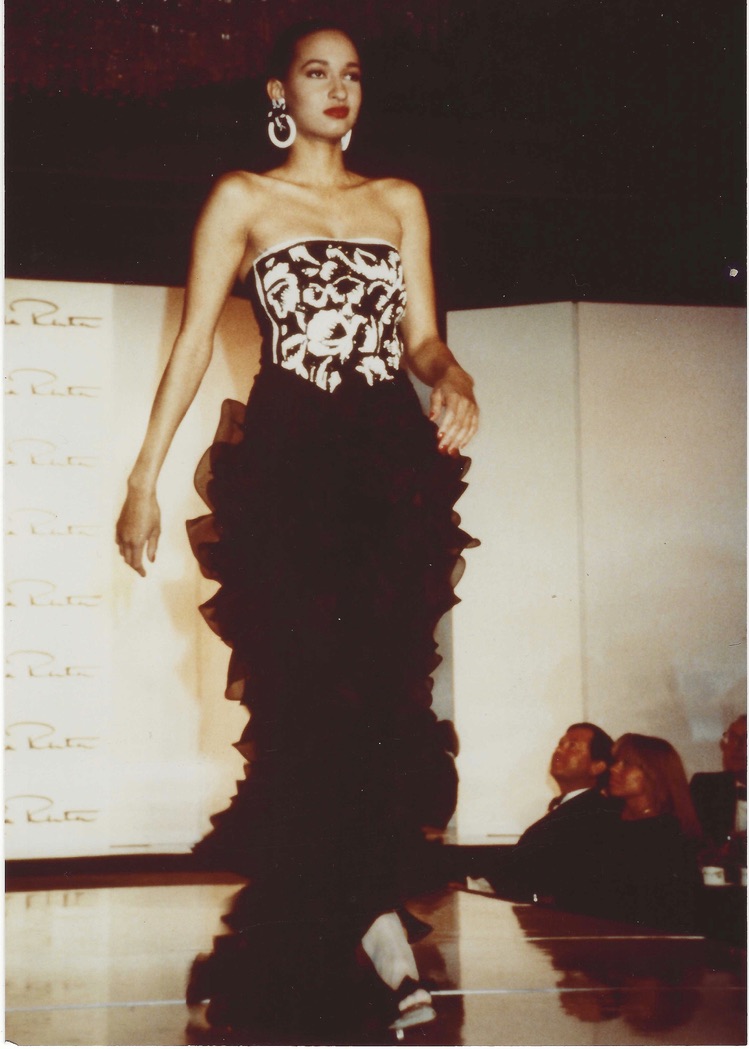
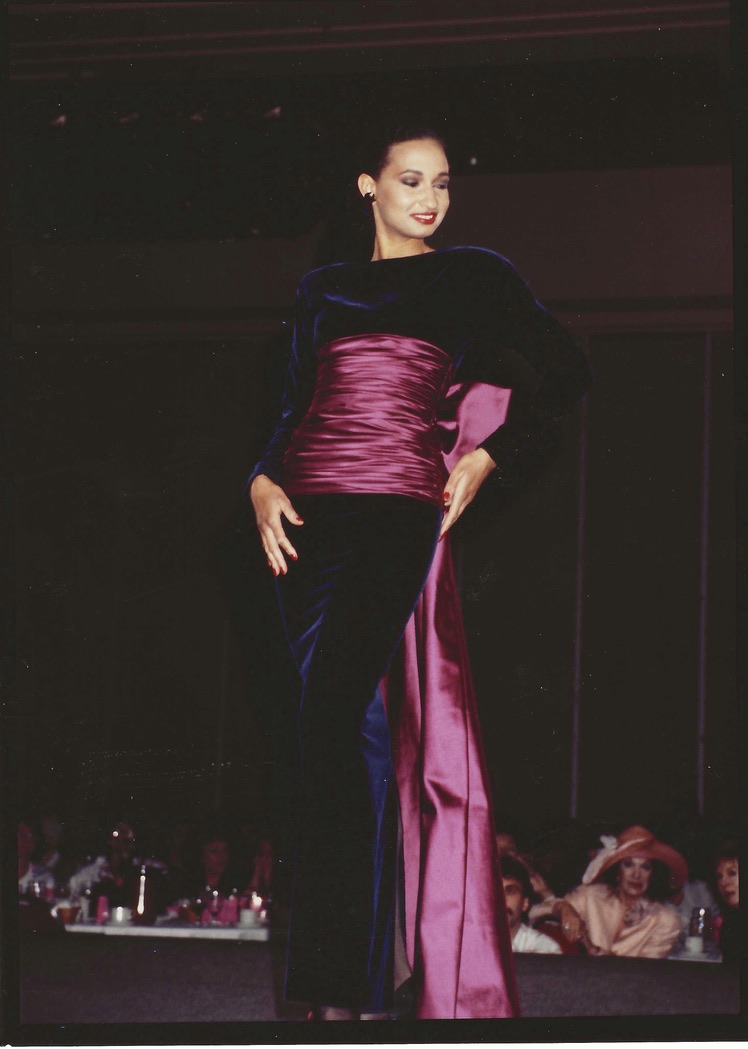
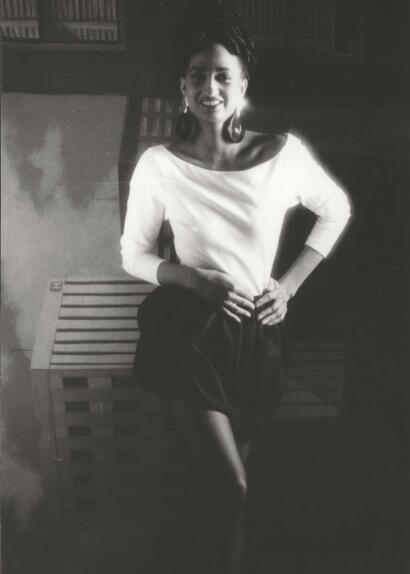
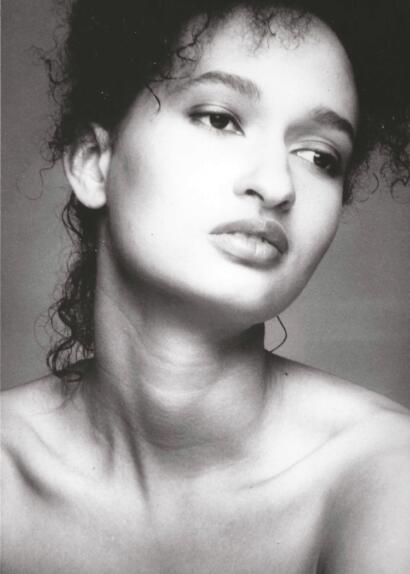
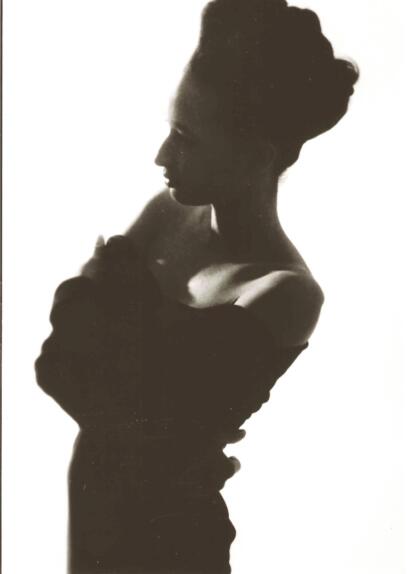
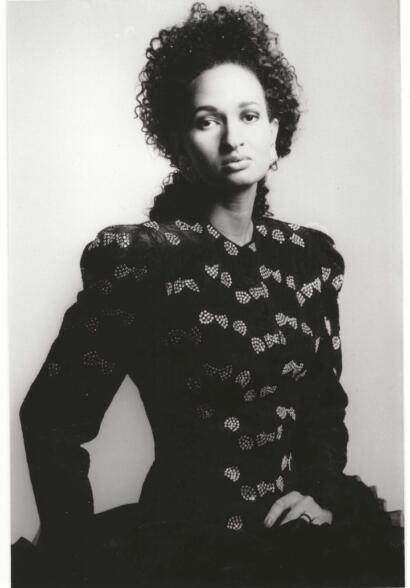
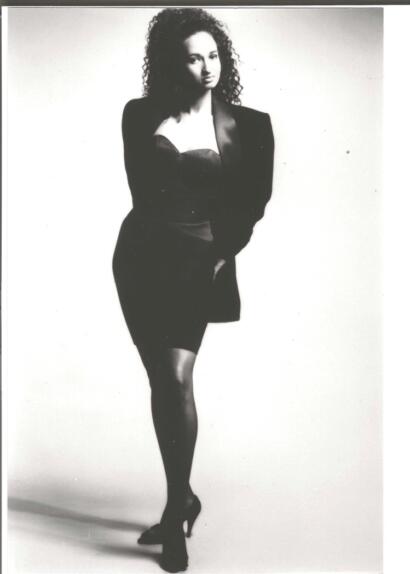
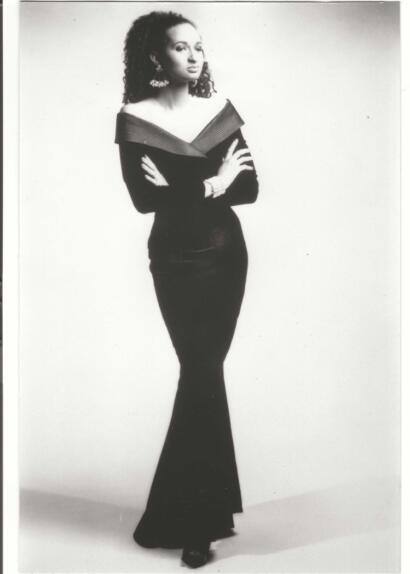
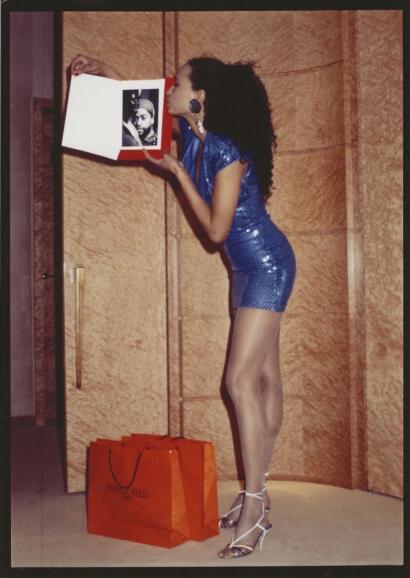
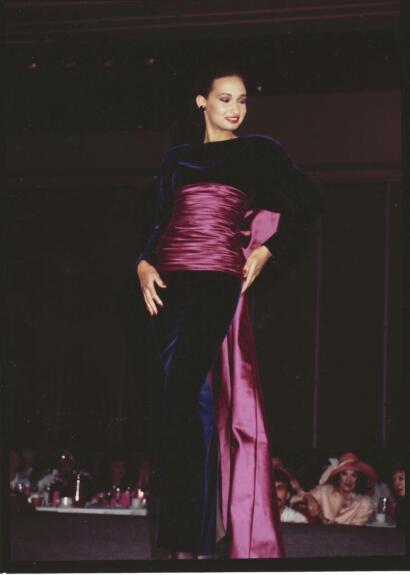
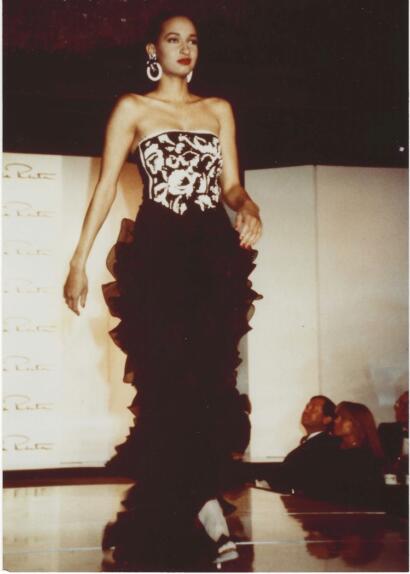
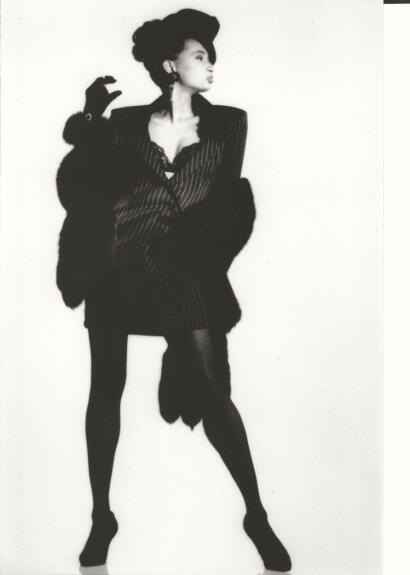
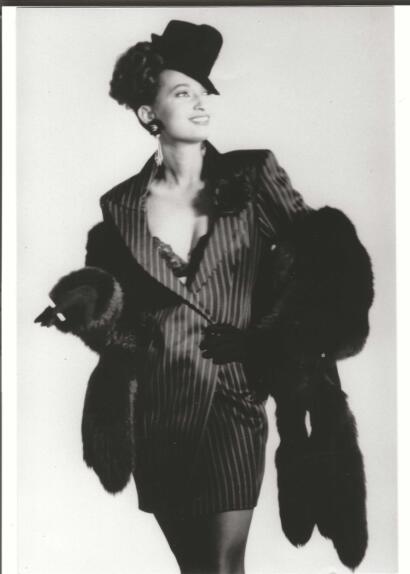
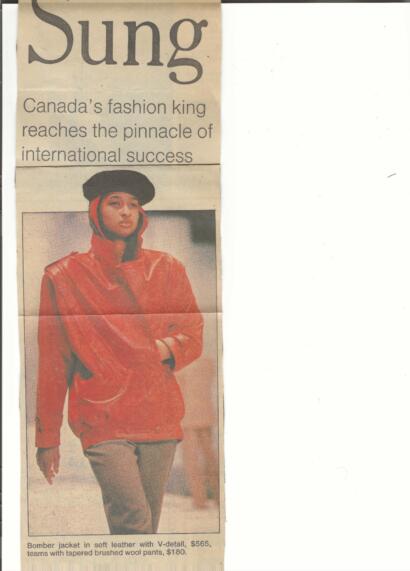
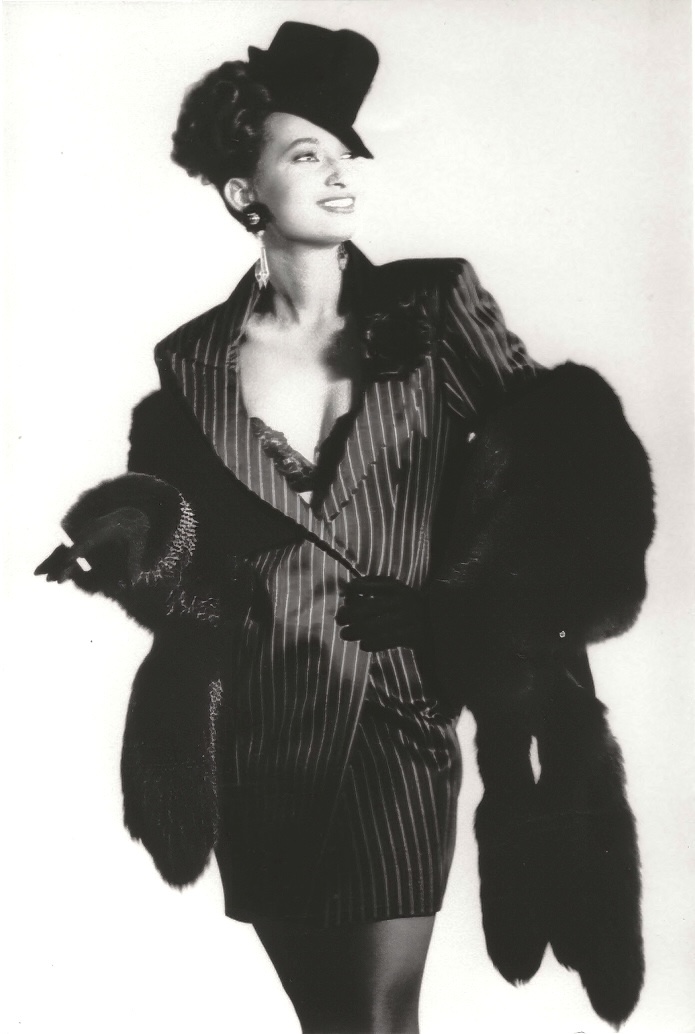
Her height, signature walk and striking features made her a standout for both cutting-edge and classic designers.
April 2025
Month 20xx
Paula Fröling
Charmaine Gooden
Jacob Marion
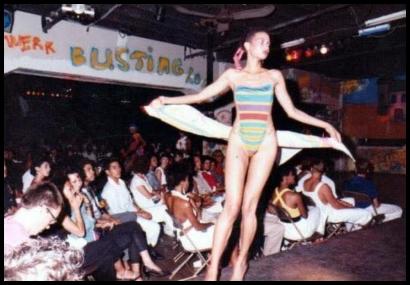
Sixteen year-old Sophia Ellen Lofters was on her way to work one day, when a gentleman stopped her and asked if she was a model or had an agent. “No, come up with a better pickup line,” she quipped. Before she could brush him off, the man explained that a store called Parachute was looking for fresh faces for an upcoming fashion show. When he mentioned how much the job paid, her response was immediate: “Hell yes!” A week later, she was on the runway.
Born in Toronto, Sophia Ellen Lofters was the second child of newly immigrated Jamaican parents. She grew up in Toronto’s Little Italy, surrounded by a vibrant and culturally rich community.
Before modelling ever crossed her mind, Lofters developed a passion for theatre at a young age. She worked as an usher and spent her free time backstage in the lighting booths, trying to understand how everything worked. “I always wanted to be the person behind the camera rather than in front of it,” she recalls.
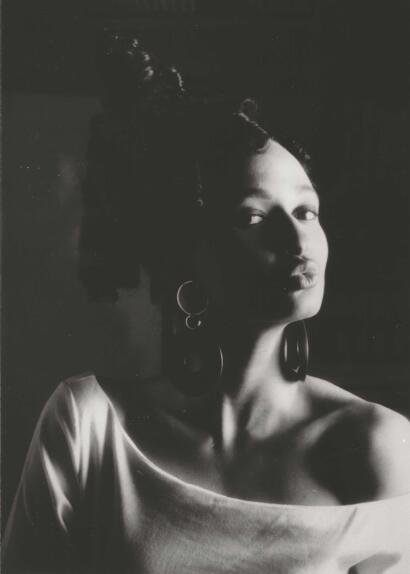
She dreamed of writing, directing and producing. Little did she know what the future would hold. This formative time sparked her passion for creativity and self-expression, which manifested through her appearance and presentation. As Lofters grew older, she searched for unique, affordable treasures at markets and vintage stores, creating her distinctive style.
This special section creates a spread of 2 photos that will jut out into the side margin.
Len D. Henry, a producer who booked Lofters for various shows, says, “Sophia was one of the few girls who truly stood out. Right height, right walk, right look. She was definitely one of the go-to girls of the time.”
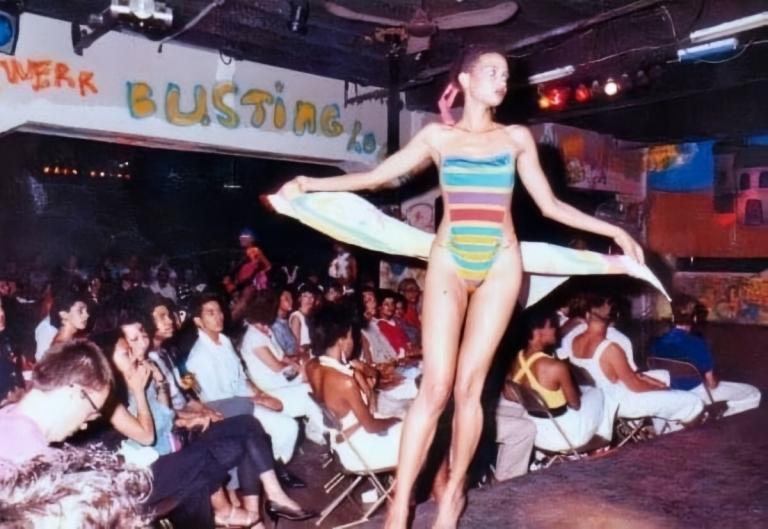
In the 1970s, she did her first modelling job for Parachute, a Montreal-based fashion brand with a trendy Yorkville store, known for its voluminous, avant-garde designs. Instead of walking, she found herself shaking up and down the runway. “There was no training. I was scared I’d trip over my own two feet or not be able to change my clothes fast enough. It was terrifying but also exhilarating. And they paid me for it, that was the coolest part.”
She turned her fear into attitude, and the crowd loved it. The next day, she was introduced to Judy Welch, a modelling agent who signed her on the spot and put her on every runway. From there, her modelling career took off.
During this time, Lofters was still working on and off at the theatre to earn some money while attending school. “I used to do my homework under the clothing racks,” she remembers. “We’d finish rehearsals, and I’d duck under the racks, trying to get everything done.” As she began modelling for companies like Creed’s, Holt Renfrew and Alan Cherry, bigger clients started to take notice. “I felt like I was in the ballgame. I could actually make a living out of this,” she says.
Lofters’ modelling work mainly focused on runway shows, with few opportunities in photography and campaigns. “At the time, the market was largely dominated by a Caucasian look. There wasn’t much room for anyone who didn’t fit in. I didn’t miss editorial, but I definitely felt excluded. It wasn’t a market that was open to me,” she says.
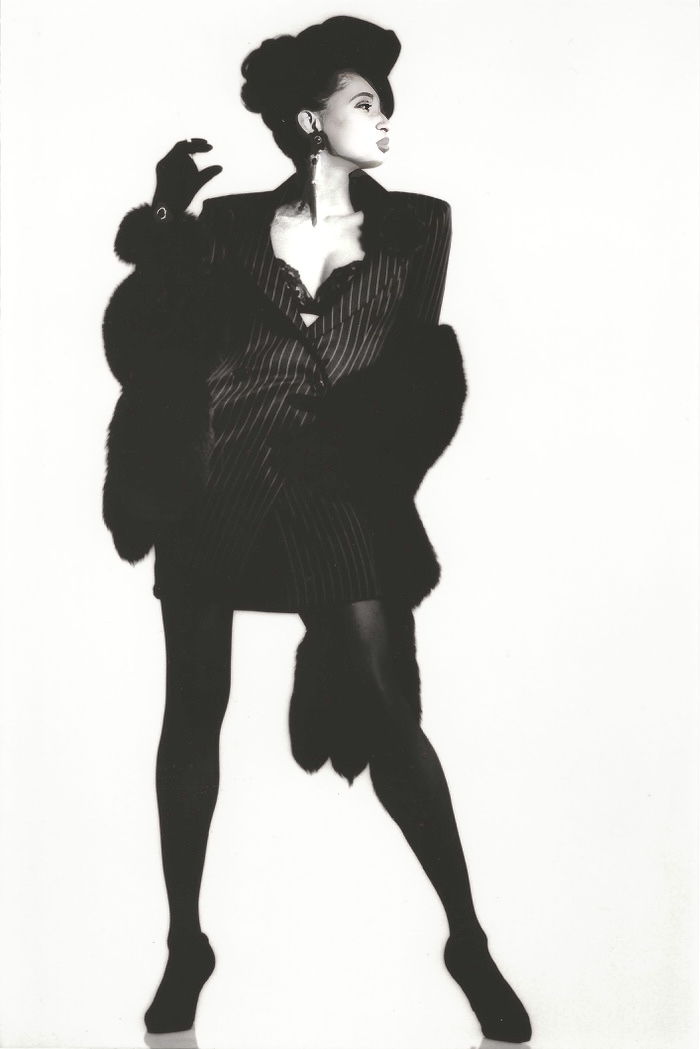
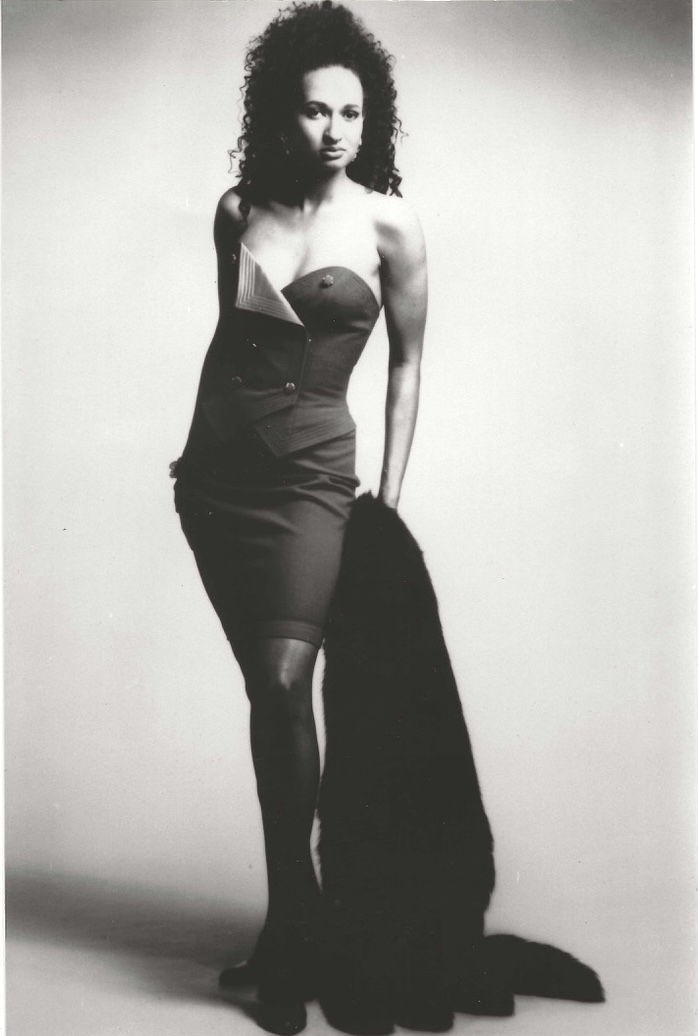
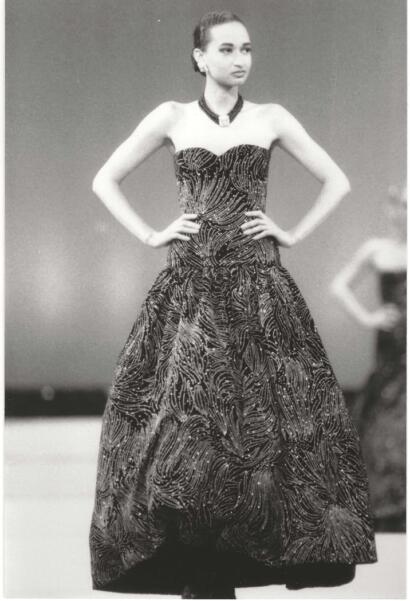
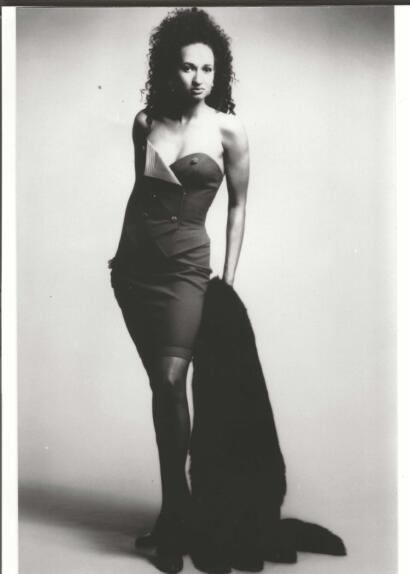
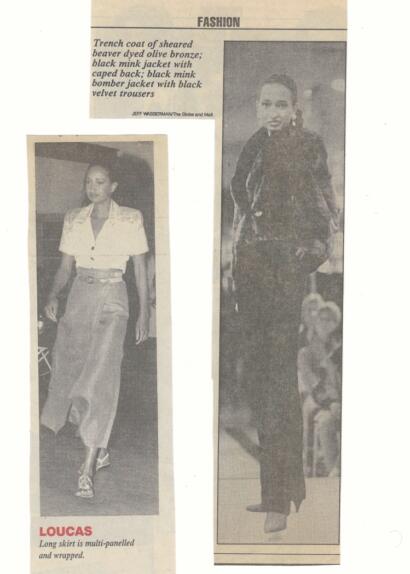
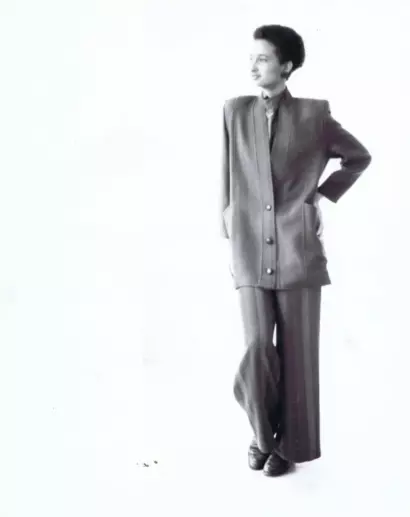
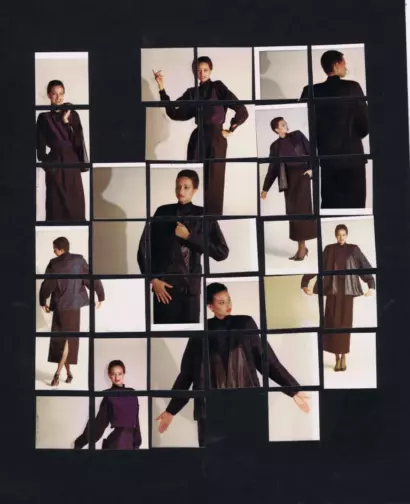
The catwalk, however, was a different story. Her striking features and exceptional height made her a standout for both cutting-edge and classic designers.
Len D. Henry, a producer who booked Lofters for various shows, says, “Sophia was one of the few girls who truly stood out. Right height, right walk, right look. She was definitely one of the go-to girls of the time.” And indeed, Lofters was frequently booked for her unique walk.
She shook up the runway with her powerful stride and an undeniable attitude, qualities that the younger designers really appreciated. Welch, her agency owner, even encouraged new models to emulate Lofters’ signature walk. “We had great fun with them trying to figure out how I was doing it,” Lofters recalls with a smile.
One of the biggest challenges for Lofters and other Black models in the fashion industry was finding skilled hair and makeup artists who understood how their skin and hair would react to colour, light and heat. Hair and makeup horror stories were all too common.
Lofters remembers one incident at a hair salon in preparation for the Festival of Canadian Fashion. The stylists applied a relaxer to straighten her hair, but it burned her scalp, and most of her hair fell out overnight. “I had to wear hairpieces for the next year and a half, two seasons, because of that,” she says.
When Toronto’s creative scene exploded in the 1970s and early 1980s, Lofters found herself immersed in it. She spent time with others in the industry at vibrant spots like the Cameron House, the Bamboo, and the Twilight Zone.
The avant-garde fashion scene was very open and welcoming for models of different backgrounds, but haute couture demanded a more rigid, uniform look. This left only a few spots for non-white models to be cast.
“Back then, Black models were usually hired one or two per show. The white girls ruled; it was very political at the time. For Sophia to transcend all that and be a regular on the fashion circuit meant that she was truly unique,” Henry explains.
Backstage, white models often made Lofters feel like she wasn’t on their level, portraying her as funky and different. “We weren’t part of their club. I don’t want to belong to those clubs anyway,” she says. The few Black models in her working circle stayed close together, supporting one another and choosing solidarity over competition.
When Toronto’s creative scene exploded in the 1970s and early 1980s, Lofters found herself immersed in it. She spent time with others in the industry at vibrant spots like the Cameron House, the Bamboo, and the Twilight Zone, where they celebrated talent and creativity. Their mission was to push boundaries, challenge the status quo, and make a mark on the fashion scene. “There was nobody to promote us. We had to do it ourselves,” she emphasizes.
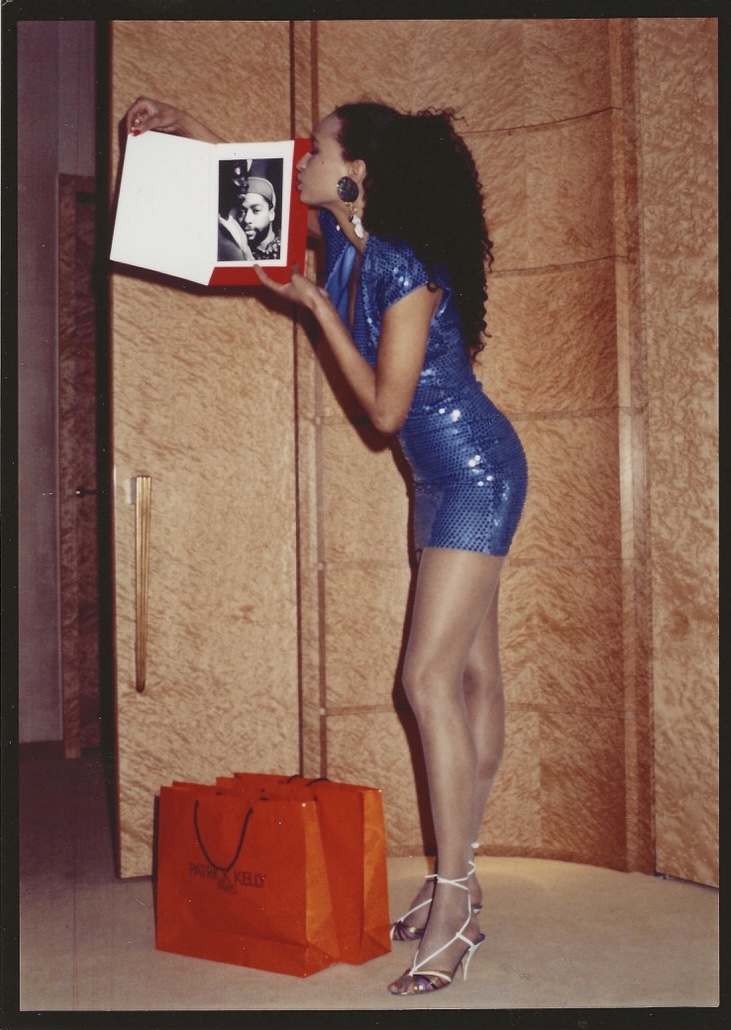
One of the Black role models and designers Lofters admired and supported was Patrick Kelly, a rising star in New York City’s vibrant, high-energy fashion scene. He was an incredibly talented designer, and the two worked closely together, with Lofters turning heads on the runway for his shows. Tragically, Kelly passed away from Aids related illness at the height of his career. “I can only imagine what an influence he would have had on fashion if he had lived,” she says.
By the late 1980s and early 1990s, more ethnically diverse models began appearing in magazines and on runways. Young Canadian designers such as Dean and Dan Caten, future founders of Dsquared2, worked with Lofters as a fit model. She would visit their shared apartment in Toronto, where they created patterns based on her body. “We used to talk about dreams and what they wanted to achieve, and now I see how far they’ve come,” she says proudly.
Lofters was primarily booked for Canadian clients but also worked with international names such as Chanel, Issey Miyake and Mugler. Henry says she was “always eager and a pleasure to work with. She had a unique style.” Adding, “The girls who made it through had their own distinct presence when they hit the runway.” It’s no surprise that European fashion houses were eager to collaborate with her as well.
After 12 years in modelling, Lofters transitioned into the next chapter of her life: film production. She travelled the world, working on movies like Good Will Hunting, X-Men, and Baz Luhrmann’s Romeo + Juliet. Her modelling experience gave her the confidence to navigate unfamiliar countries and scenarios. It taught her how to quickly read a room, understand what people needed and deliver what was required to get the job done. Modelling gave her the confidence to not only survive but to thrive in the film industry.
While she may not model anymore, Lofters left a lasting impact on the fashion industry. By representing young designers and shaking up the runway with her impressive walk, she paved the way for new Black models to enter the field. Her struggles with untrained hair and makeup artists highlighted the need for professionals who understood Black hair and skin.
“I’m really hoping these are stories they never have to experience,” she says. Her advocacy sparked change, inspiring companies like MAC to produce makeup for darker skin tones and encouraging artists to learn how to work with diverse faces.
“We’re all just models. We’re all representing beauty and creativity,” Lofters says. Models from diverse ethnic backgrounds now grace magazine covers, but she believes there’s still work to be done.
As she’s grown older, her personal style has become more defined and eclectic, incorporating large pieces of ethnic jewellery and flowing, layered clothing. But she points out that age remains underrepresented on magazine pages and runways, an issue that deserves as much attention as diversity. “Beauty has no age limit,” she emphasizes.
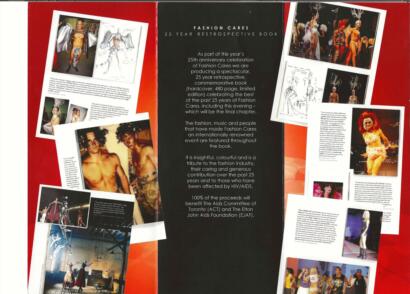
One of Lofters’ proudest achievements was supporting the AIDS Committee of Toronto by walking the runway for its Fashion Cares fundraiser from 1987 to 1991.The cause was especially meaningful to her, given the loss of several close friends, including her colleague Kelly, to the illness. Twenty years later, Lofters became the senior project manager for the MAC Viva Glam Fashion Cares show and the final Fashion Cares event in 2012, a full-circle moment.
Young Canadian designers such as Dean and Dan Caten—future founders of Dsquared2—worked with Lofters as a fit model. She would visit their shared apartment in Toronto, where they created patterns based on her body.