June 2024
Month 20xx
Josh Jackson and Chloe Bard
Charmaine Gooden
Jacob Marion
Highlights
- Born in New York to Jamaican parents, Black split his youth between Houston and Toronto, discovering twin passions for boxing and modelling while at Royal Saint George's College.
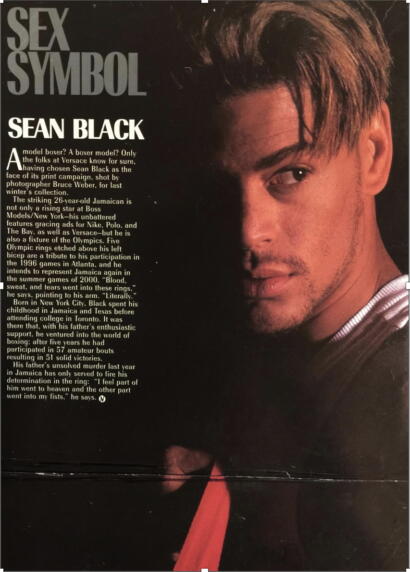
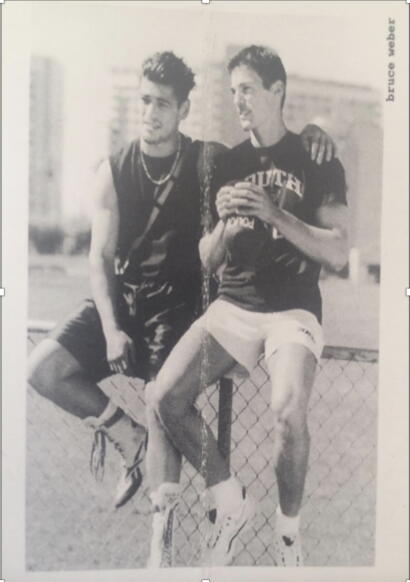
- After winning gold at North American Olympic trials and representing Jamaica at the 1996 Atlanta Olympics, he impulsively stayed in Miami and landed a career-defining Bruce Weber shoot for L'Uomo Vogue.
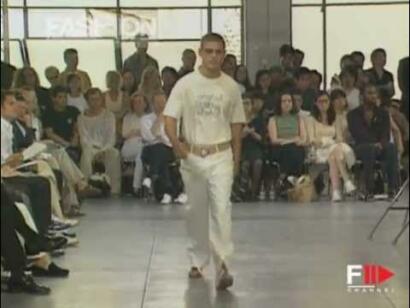
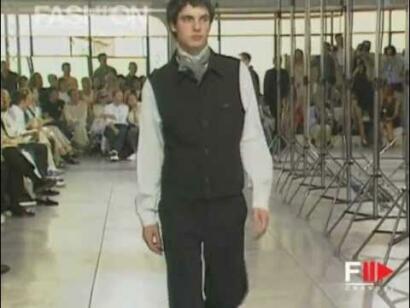
- He became an international superstar modelling for Versace, Calvin Klein, and Tommy Hilfiger, appearing in Vogue and GQ while walking runways for Dolce & Gabbana and Ralph Lauren worldwide.
- In 2000 he left the "rockstar lifestyle" for commercial real estate, now living in Miami as CEO of BLACK brokerage, and mentors young models on treating modelling as a business.
Returning from the 1996 Olympic Games, during a layover in Miami, Sean Black, the young boxer and soon-to-be model, was sitting in the airport when he saw a poster of Miami Beach. On a whim, He walked out of the airport and hopped into a taxi. “Take me to a cheap hotel in South Beach,” he told his driver. He had just made a decision that would change the trajectory of his career forever.
Today, Black still lives in Miami, the same city he once used as an escape from the pressures he felt in adolescence. The days of glitz and glamour are a thing of the past, as per his career shifts to real estate and his newfound duties as a father and husband. But those few seconds he spent in front of the camera, creating the perfect moment, are timeless.
Early Life and Career
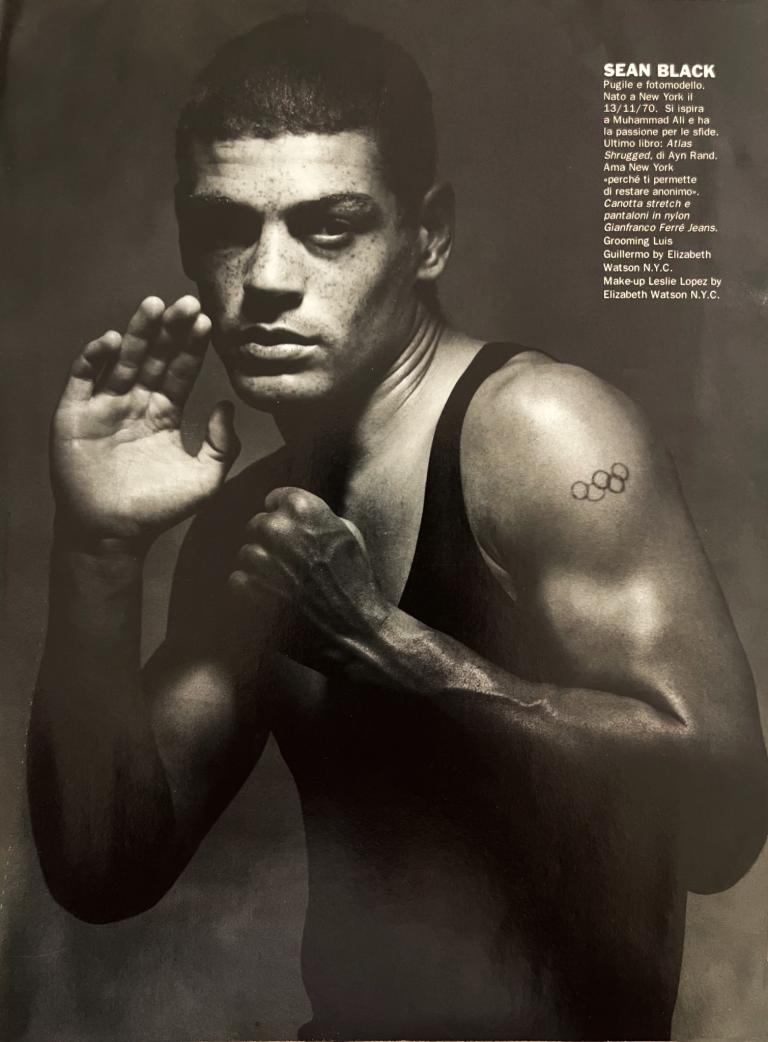
Black was born on November 13, 1970, in New York City to Jamaican parents. He lived in Kingston, Jamaica until the age of five, before moving to Houston, Texas, with his mother. From there, he spent his formative years going back and forth between Houston and Toronto, where his father’s side of the family had migrated. “I go to Canada, and then I’d have this funny Texan accent, and then I come back from Canada and then have this funny Canuck accent,” Black says humorously. In 1988 he left Houston at the age of 18 to live in Downtown Toronto, where he attended Royal Saint George’s College all-boys school, and it was there that he discovered his twin passions for boxing and modelling.
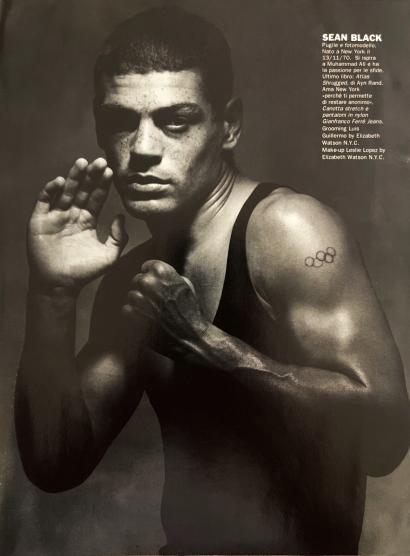
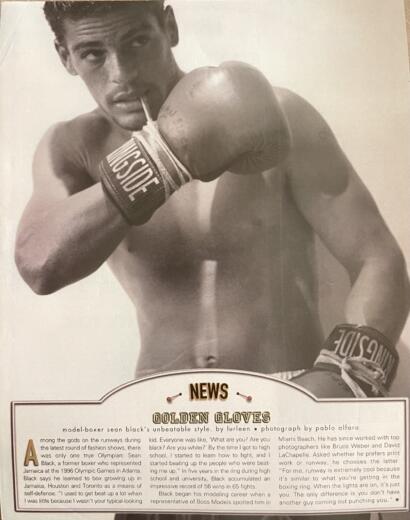
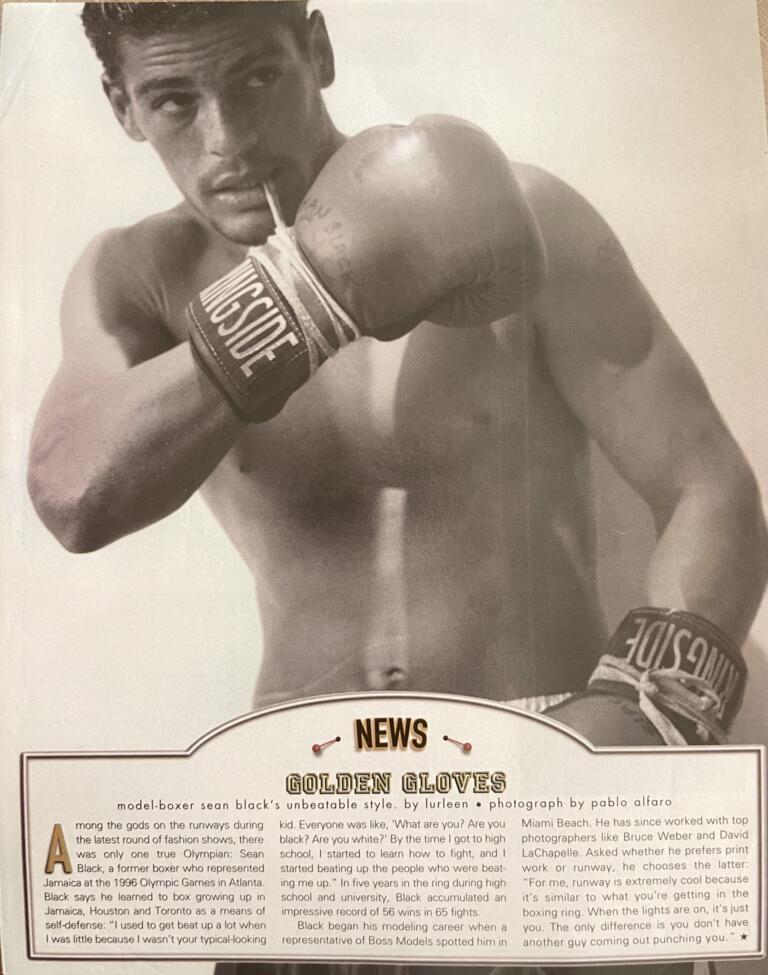
Encouraged by his father’s unwavering support, as he poured “blood, sweat, and tears” into the boxing ring. In just five years, he amassed an astonishing 57 amateur bouts, 51 of them victories, proving his athletic abilities were every bit as strong as his striking good looks.
Simultaneously, the runway beckoned. Off the mats, his chiseled features and natural charisma translated into a burgeoning modelling career, first with Armstrong Men Talent Agency and later Ford Models. Skillfully juggling both pursuits throughout his time at the University of Western Ontario, Black graduated with a degree in Psychology. He spent summers working for his uncle’s real estate firm, J.J. Barnicke Limited.
He says it was around this time that he decided to pursue an Olympic berth in boxing and had the opportunity to train with Olympic-level coaches. “I was super determined. I wouldn’t say I was just naturally talented, but I was voracious,” Black states. He won gold at the gruelling North American Olympic trials in Halifax, defeating competitors from Canada, the U.S., the Caribbean, and parts of South America. “That win was everything. It was my ticket to the Olympics, and it gave me confidence when I needed it most.”
In 1995 in the midst of training, his father was murdered in Jamaica, so he took his career back home, competing for a spot on the Olympic national team. Black would go on to represent Jamaica, the Motherland, in Atlanta at the 1996 Olympic Games.
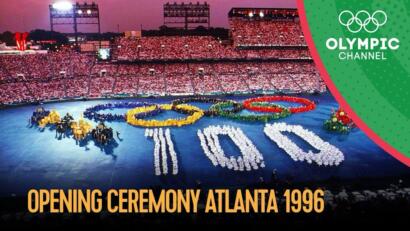
The 1996 Olympics in Atlanta marked a pivotal moment. “It was surreal,” he recalls. Though he lost his first fight, the experience ignited a fierce inner fire. Standing alone at the Olympic Village, gazing down on the iconic rings, tears in his eyes, he made a solemn vow that no one would ever tell him what he couldn’t do again. “That moment,” he says, “I knew I was capable of soaring as high as I choose, if I was willing to make the sacrifices.”
It was during his return from the 1996 Olympic games that his journey took a pivotal shift. He skipped his connecting flight from Miami to Toronto and stayed in a modest student hostel for $10 a night. “A couple of days turn into a week, a week turns into two weeks, two weeks turn into a month,” Black explains recounting the unexpected venture.
This special section creates a spread of 2 photos that will jut out into the side margin.
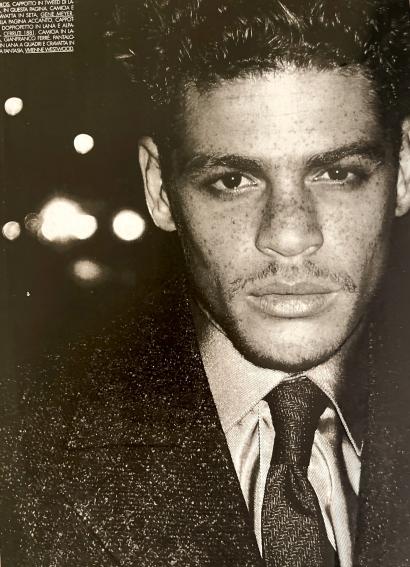
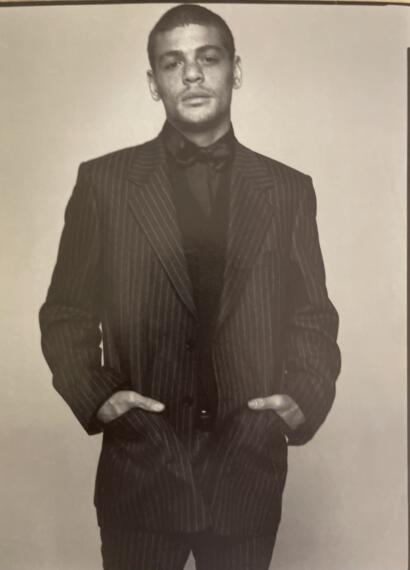
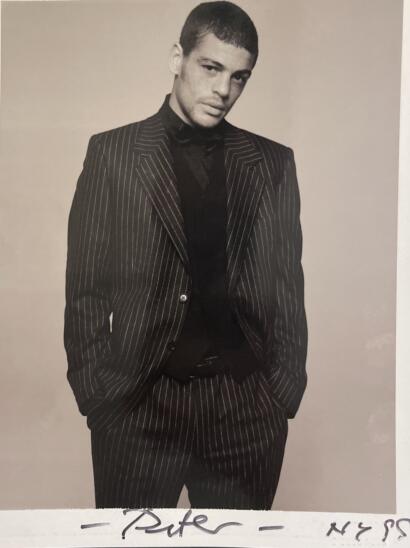
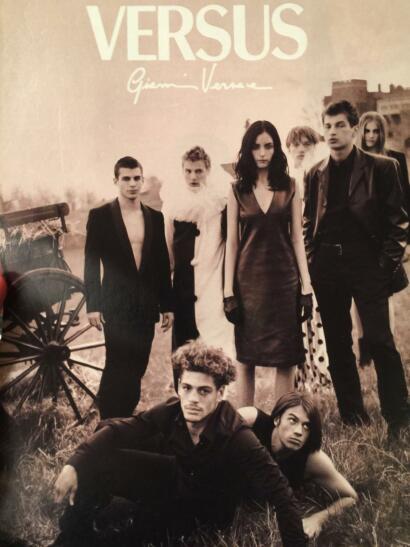
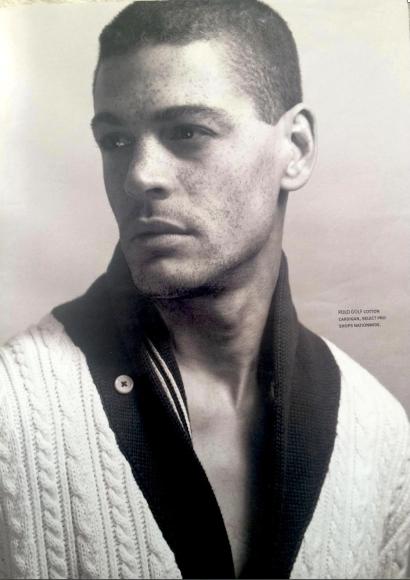
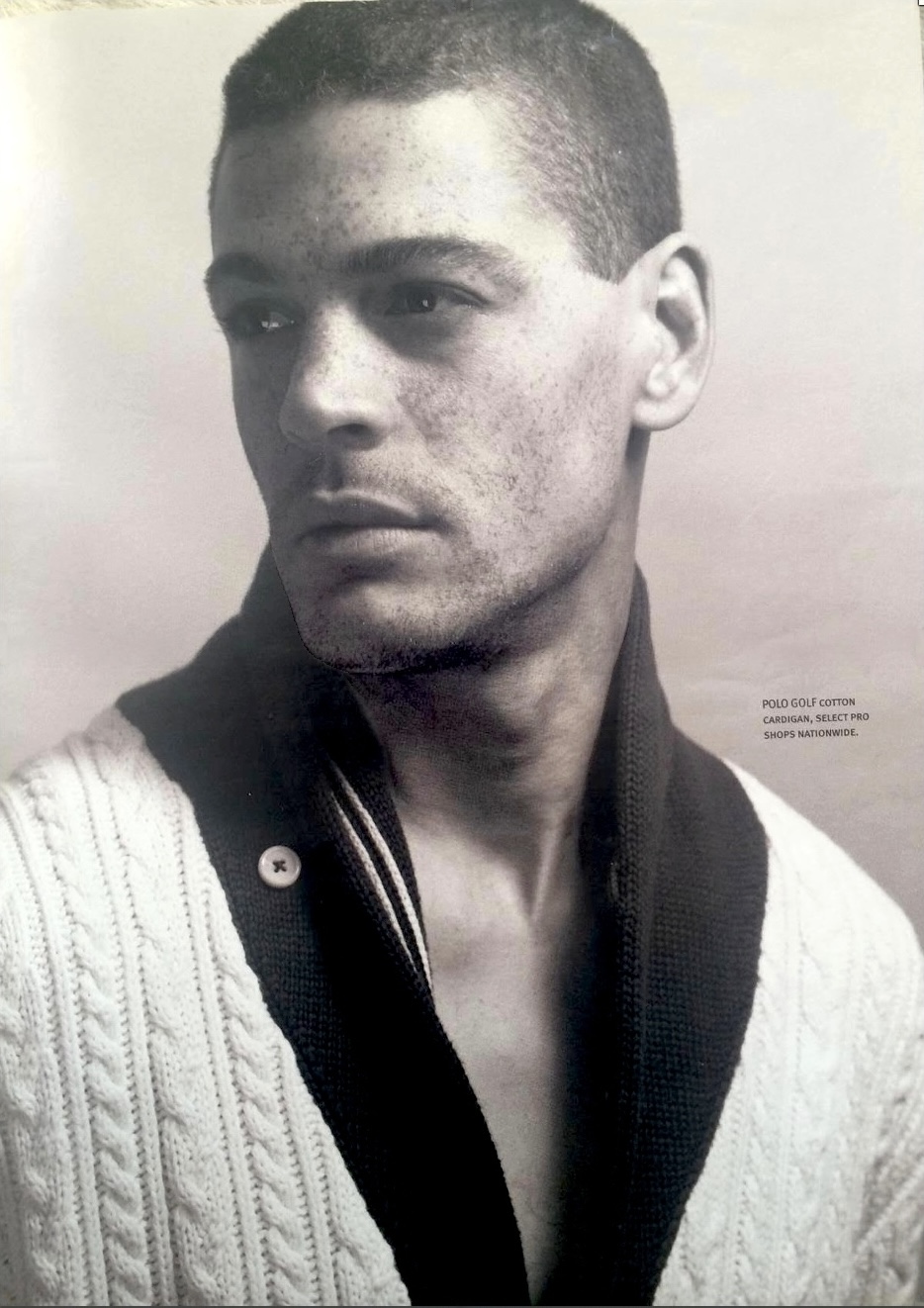
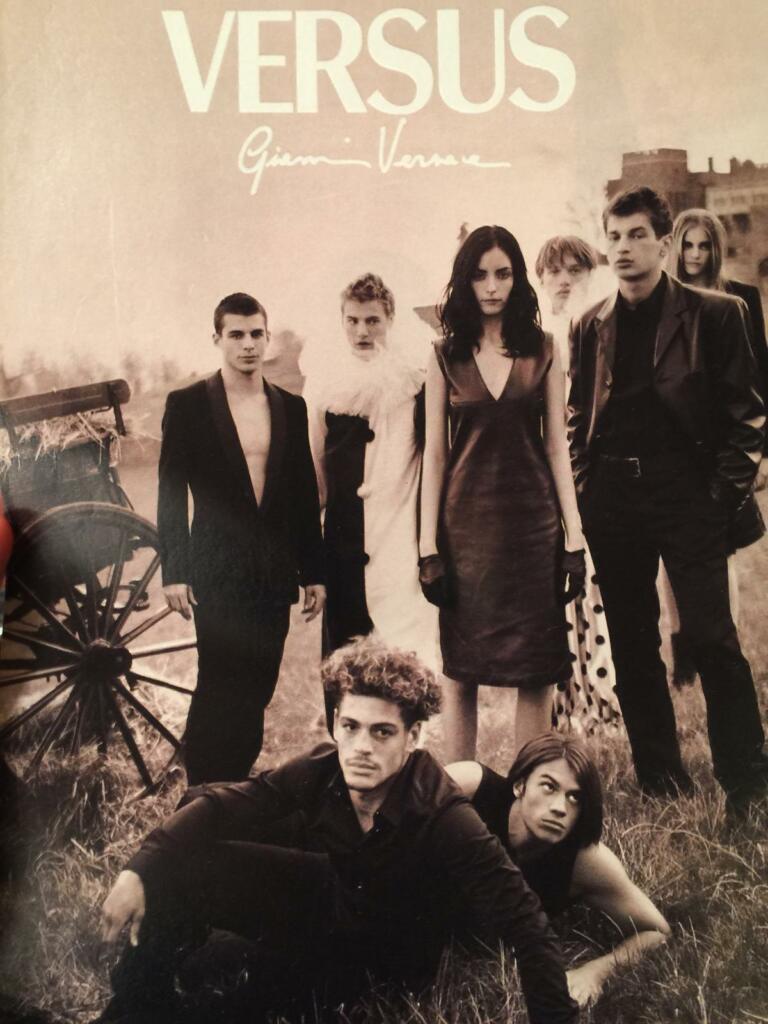
The shoot was for L’Uomo Vogue, and it led directly to a global Versace campaign.
“That was the moment. It was like being kissed by the hand of God. Suddenly, the whole industry was looking at me.”
He soon met a few models on the beach who encouraged him to check out Boss Models. He did, moved into a model apartment and within weeks, his life took another massive leap forward when Boss Models sent him to meet photographer Bruce Weber.
“I didn’t even know who Bruce was at the time,” Black admits. “But David at the agency said, ‘Bruce wants to see you.’ I went, and soon after I got the call: ‘Bruce loves you and he wants to shoot you.’”
The shoot was for L’Uomo Vogue, and it led directly to a global Versace campaign. “That was the moment,” he says. “It was like being kissed by the hand of God. Suddenly, the whole industry was looking at me.”
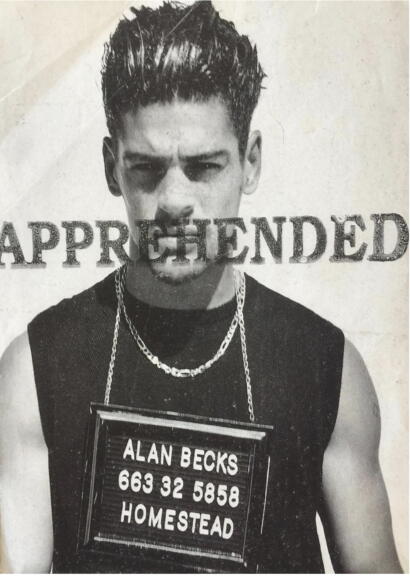
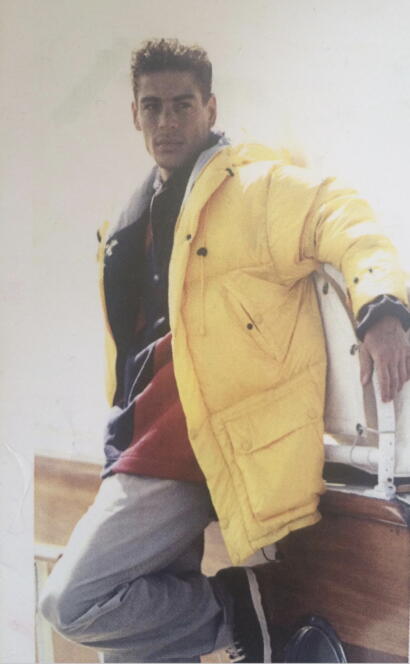
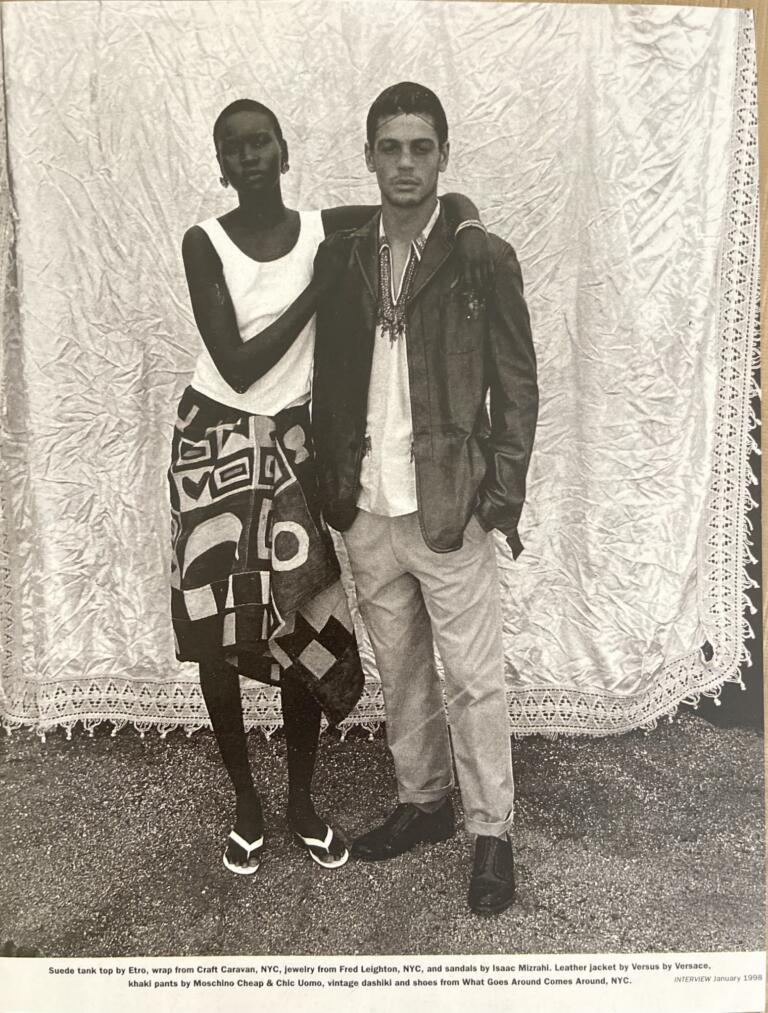
From that moment on, Black was everywhere. Boss Models sent him to New York, where he was introduced to Calvin Klein. Then came Paris. Milan, Hamburg, London; a blur of international travel, runways, and magazine covers. Over the next five years, he became one of the few Black male models to rise to international superstardom at the turn of the millennium.
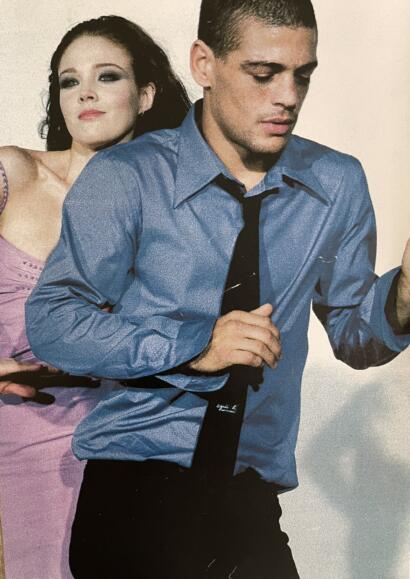
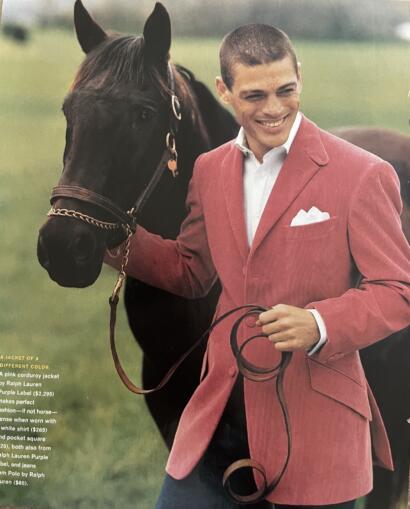
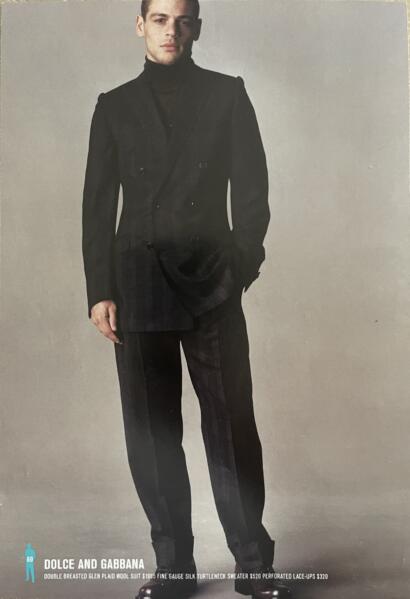
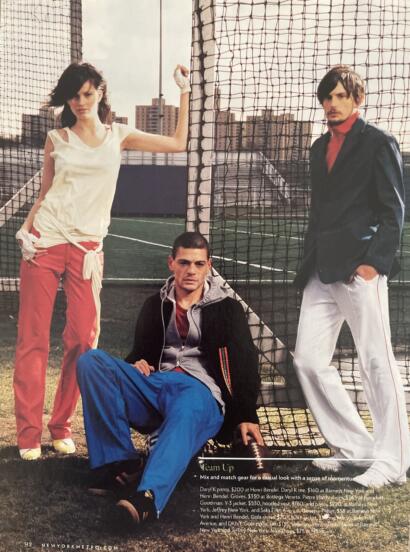
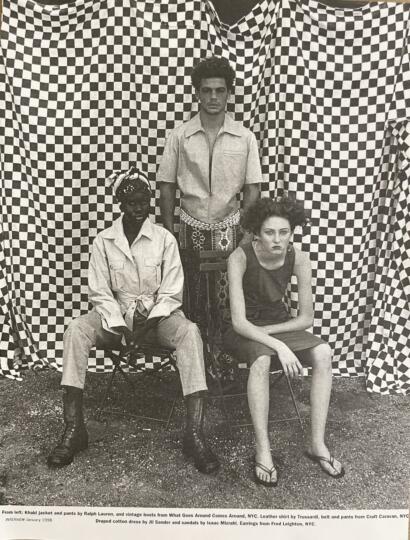
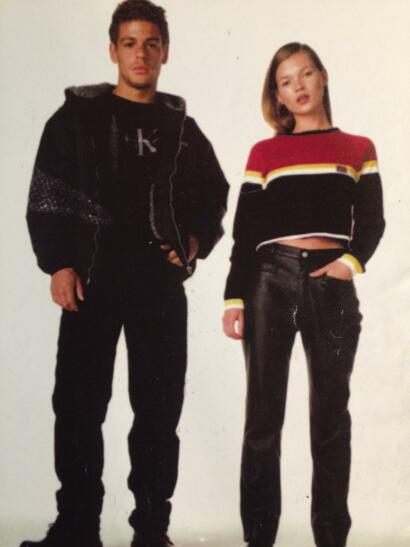
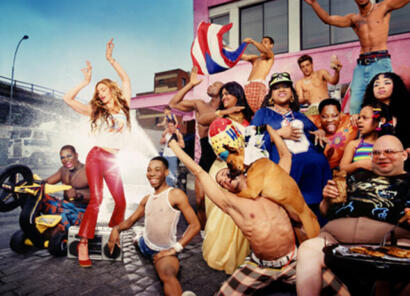
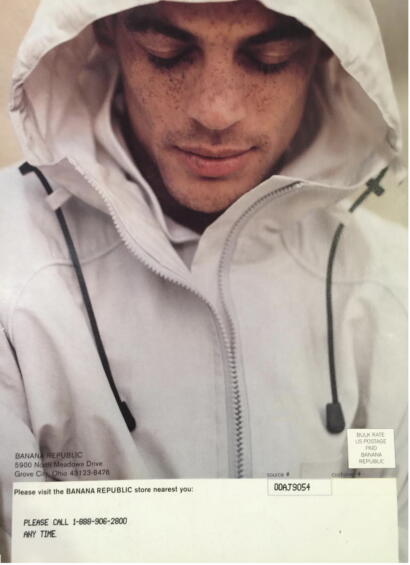
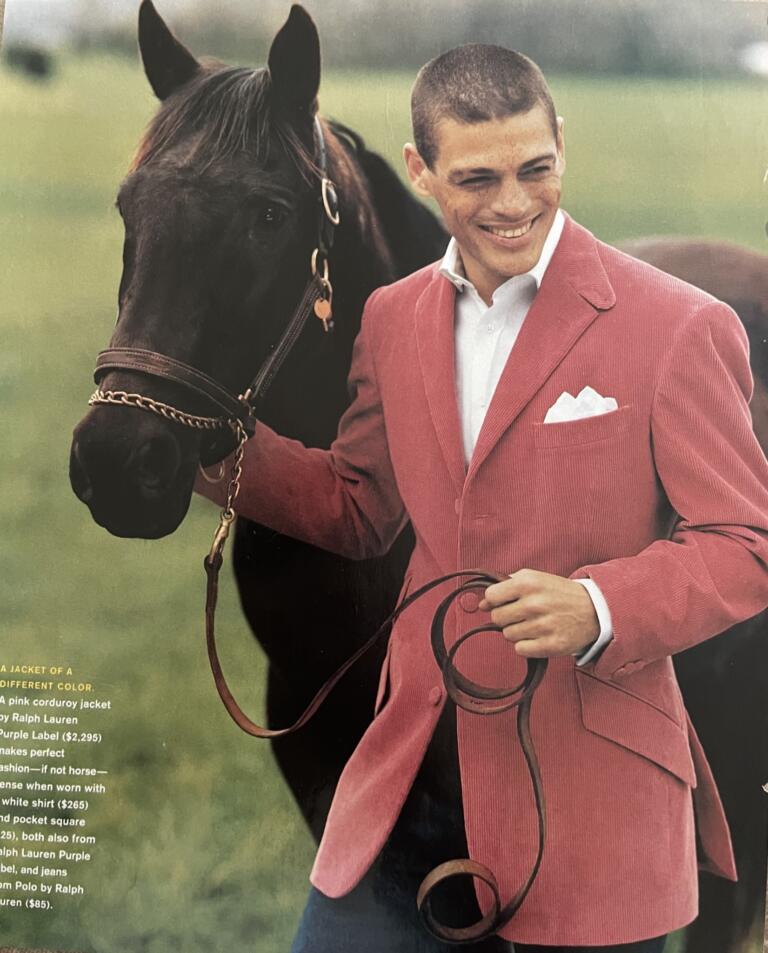
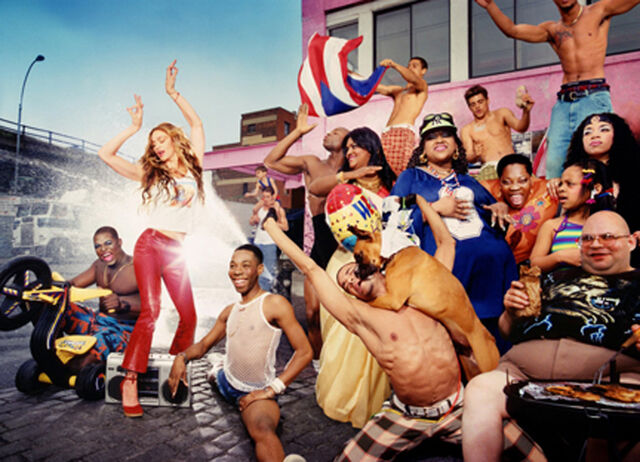
His face appeared in Details, Marie Claire, Vogue, GQ, and The Gap. He worked with iconic photographers including Albert Watson and David LaChapelle. His runway resume includes Dolce & Gabbana, Ralph Lauren, and the iconic New York and Paris fashion weeks. At one point, he was booked for campaigns with Calvin Klein and Tommy Hilfiger in the same month.
“I lived out of a duffel bag,” he laughs. “Sometimes I didn’t know which country I was waking up in. But it was intoxicating. To walk into a room and have designers say, ‘We want him.’”
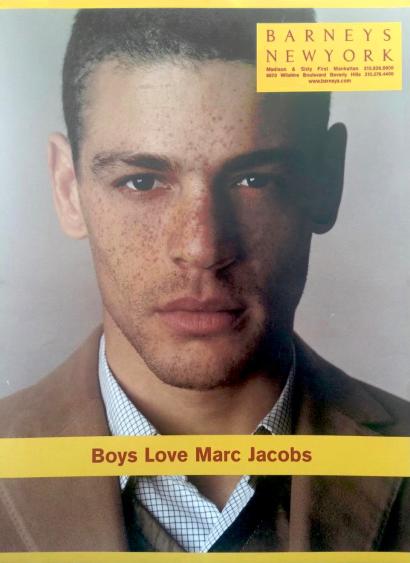
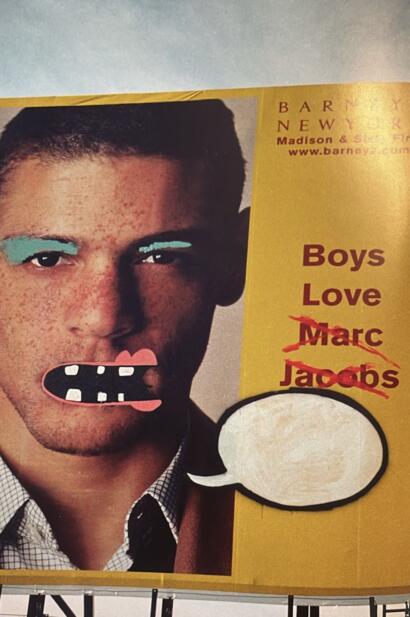
And the twists didn’t stop there. A 1999-2000 Marc Jacobs campaign featuring Sean’s face became part of a bizarre art world mystery. The campaign poster was hanging in Manhattan’s Meatpacking District when an anonymous artist scaled a nearby rooftop and graffitied it. The act was bold, illegal and it might have been Banksy. “A journalist reached out to me years later,” says Black. “They were trying to triangulate the timeline of the shoot to match police records and possibly confirm Banksy’s identity. I told my wife, ‘I’m literally a piece of art now.’” laughs Black.
Yet, as the glamour swirled, Black felt the need to ground himself. “The fashion world is thrilling, but it’s also transient. I wanted to build something lasting.” he explains. He chose not to follow the path to Hollywood, where Bruce Weber had lined up acting classes and a small role in a film. In 2000, Black decided to give up this “rockstar lifestyle,” as he describes, and transition back to commercial real estate, which had been his plan throughout university. Today, Black lives with his three daughters and wife in Miami, and is the Co-founder and CEO of BLACK, a real estate brokerage based in New York City.
Fashion and Diversity
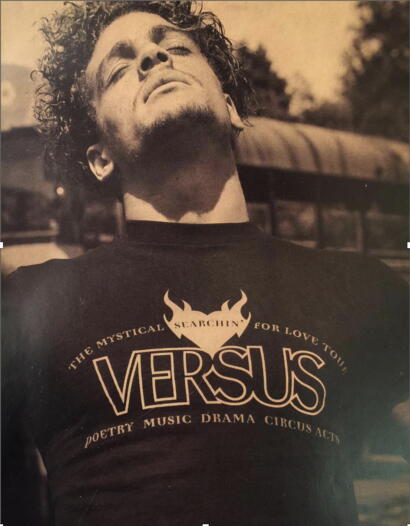
“I actually think my ethnicity was a benefit, because I didn’t look like everybody else,” Black states, when asked if he had experienced racism throughout his career. In his experience, the modelling industry praises individuality. For Black, with his naturally curly hair, freckles, and tan skin, it meant that he was in high demand.
The feelings of using his differences to his advantage are in part due to what Black describes as a “lack of confirmation bias.” He explains that if he were to analyze every instance where he faced rejection in his career, he’s sure he could find some moments where racism was involved.
“If I spent enough time looking for reasons that people hate me, I would be completely convinced,” he says jokingly. Using his rational thinking and understanding of supply and demand, Black says he chooses to focus on the logical side of things before constructing other hypotheses. “It’s like, you’ve got a brand that’s marketing to a specific segment, so they’re going to look for people that are their target market,” Black says while reflecting on his career.
Influence and Legacy
What was it about Sean Black that made top-tier creatives choose him? It wasn’t just his striking looks or athletic physique, though both certainly helped. Patricia Crowley, a longtime friend and confidante since the late 1980s, says Black’s true power came from something deeper.
“Sean wasn’t like the typical stuck-up or entitled model,” Crowley explains. “He has a very creative and innovative mind, mixed with charisma and a good soul. His inherent optimism and positivity were what opened doors for him and allowed him to make meaningful connections with the artists he collaborated with,” states Crowley. People wanted Black not just for his look, but for his presence.
Whether it’s his athletic career or his time spent modelling, Black says that he quickly realized that he could only truly depend on himself if he wanted to succeed. “Being an individual athlete, you can’t rely on a team to get things done for you. You either win on your own or lose on your own,” says Black. In the modelling industry, Black explains a similar experience of working independently. Like sports, there are coaches, managers, agents, and other people involved at various points, but when it comes down to performing in front of a camera, it relies solely on the model to make the moment impactful.
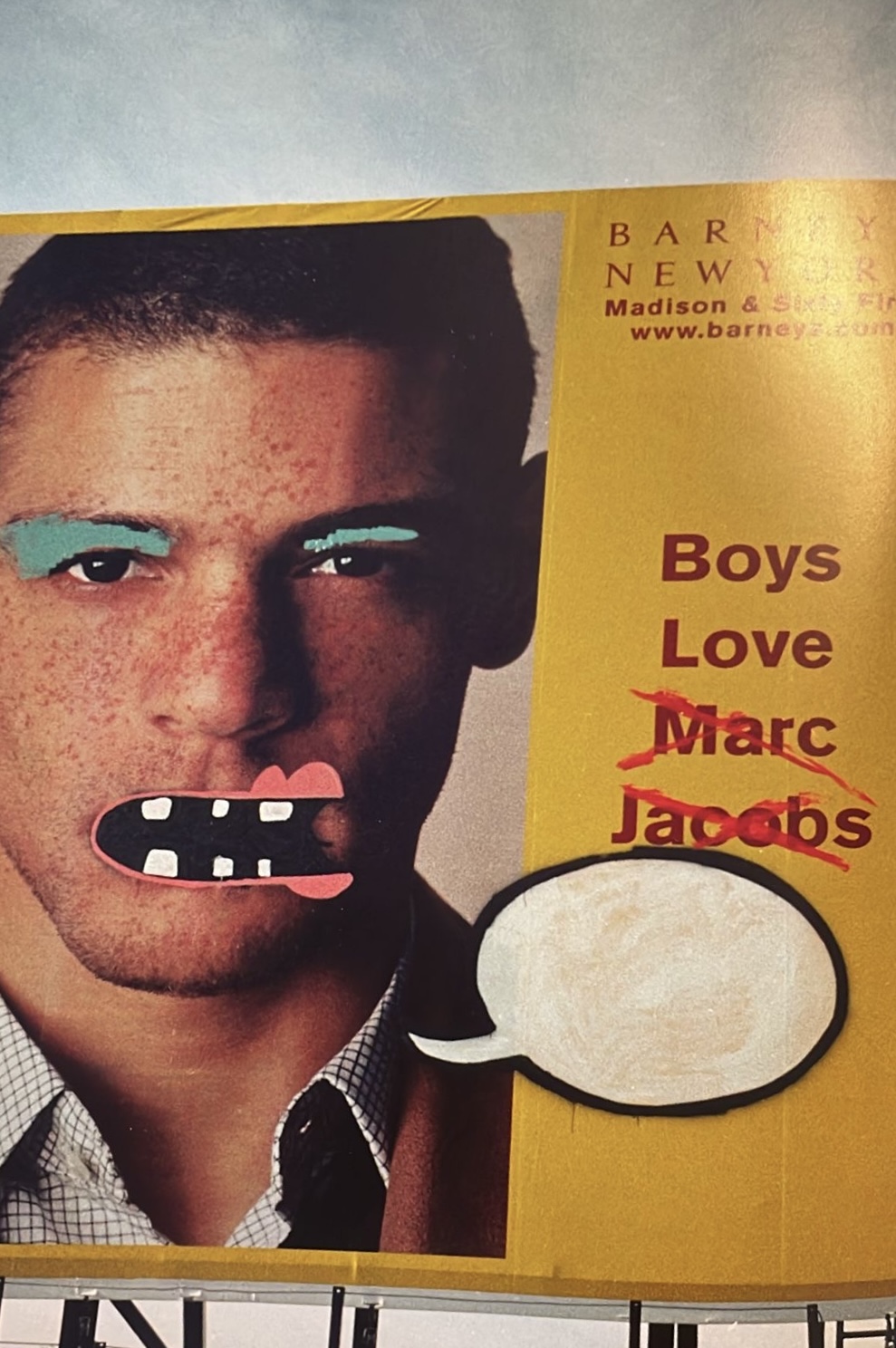
The campaign poster was hanging in Manhattan’s Meatpacking District when an anonymous artist scaled a nearby rooftop and graffitied it. The act was bold, illegal and it might have been Banksy...
Today, Black lives in Coral Gables, Miami, back where the journey began, but now with an office on the 44th floor of a building overlooking the very hostel where he once stayed for $10 per night. He runs his own commercial real estate firm, leveraging lessons from his eclectic past.
Black hopes to pass down his knowledge of the industry to young models and entrepreneurs. “If you fail to treat the modelling business as a business, you’re in trouble,” states Black. He says all models should continue studying while modelling, building transferable skills, and always thinking a few steps ahead, so that when the inevitable end of their career strikes, they’re able to transition to another career path.
And the future? “My hope is for my daughters to embrace challenges as opportunities,” Black says, his voice steady. “Life will test you, but it’s how you turn those moments into transformative energy that defines you.”