June 2025
Month 20xx
Kailen Duern and Luis Murua Burhorn
Charmaine Gooden
Jacob Marion
Highlights
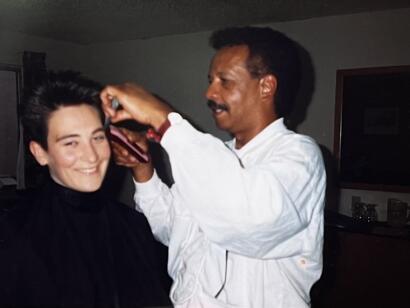
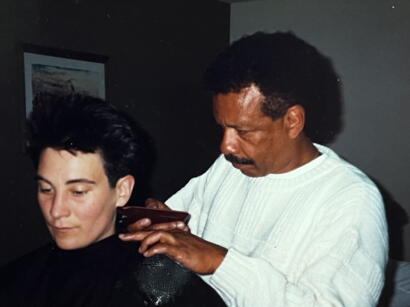
- Guyana-born George Morrison built a legendary Toronto salon scene, styling everyone from Patti LaBelle and k.d. lang to Anne Murray.
- As a teen designer, he staged full-scale fashion shows with couture-level gowns, then carried that flair to his Yorkville salon.
- His Hair and Now salon became a creative clubhouse where artists, socialites and musicians gathered for conversation, community and unforgettable looks.
- Facing racism head-on, he left a pioneering legacy in Black Canadian hair and queer visibility.
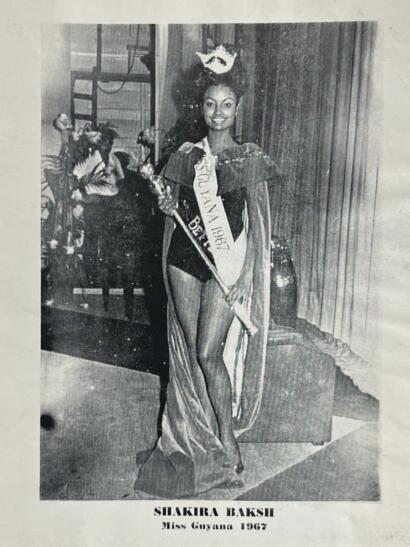
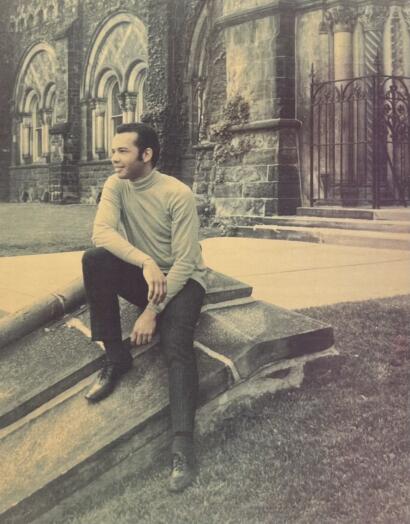
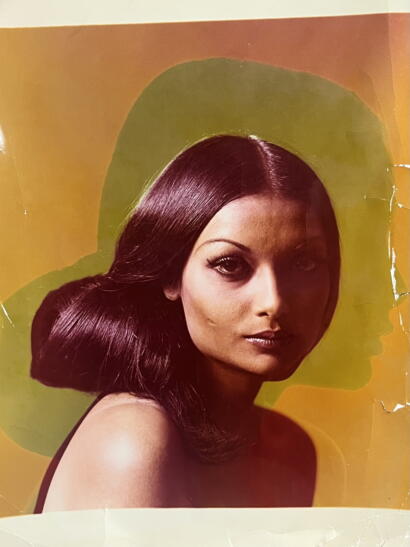
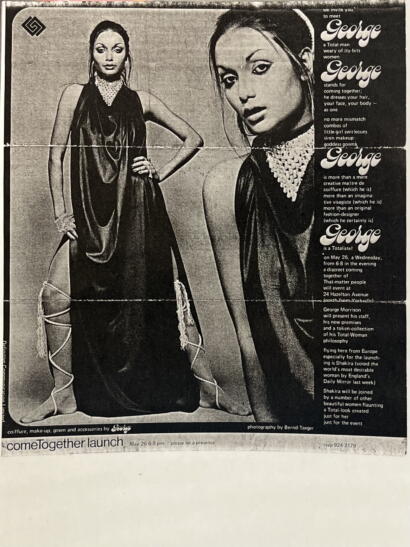
George Morrison had a gift for glamour that revealed itself early and never left. Long before he was styling music legends like Patti LaBelle, k.d. lang and Anne Murray, as a teenager, he was already coaching a young Shakira Baksh in beauty pageants, years before she married actor Michael Caine.
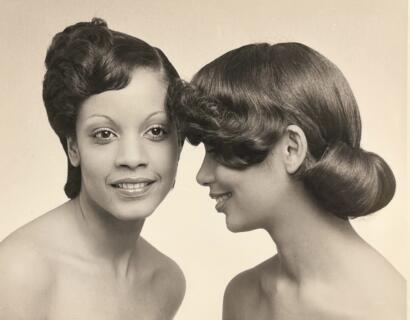
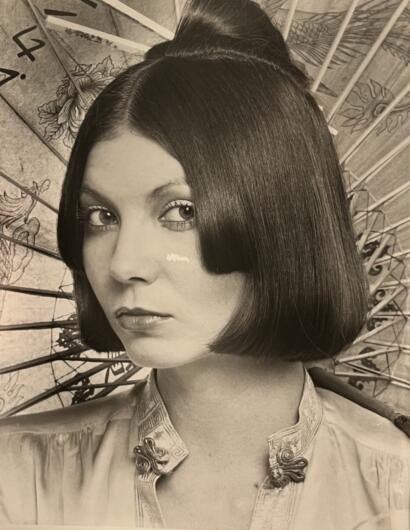
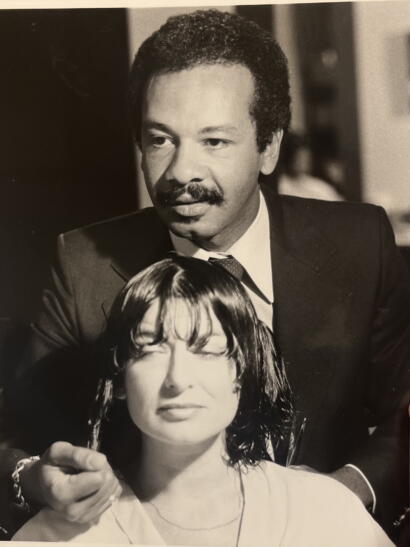
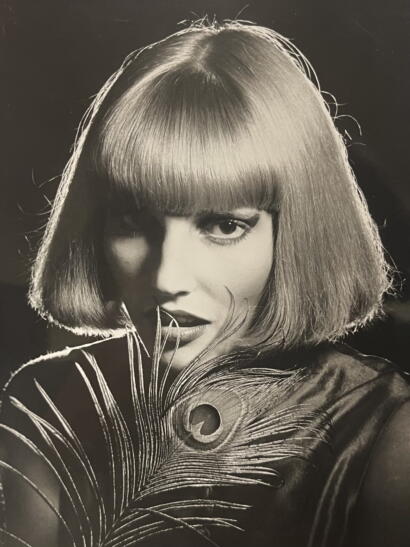
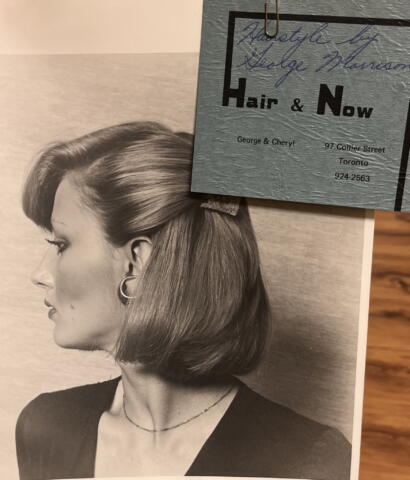
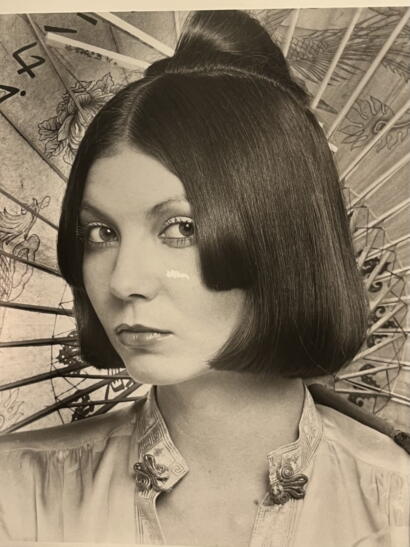
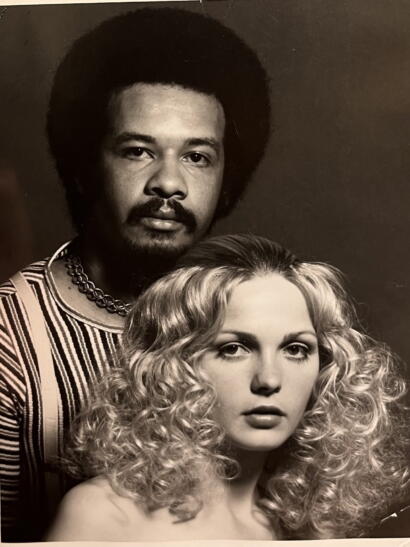
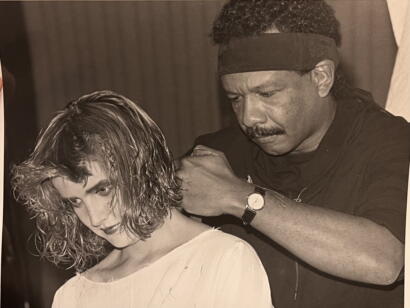
In Toronto, Morrison became something of a cult figure with Hair and Now, his salon that served as both a creative space and community hangout. Clients came for the styling but stayed for the vibe, conversation and connection. His clients adored him, not only for his artistry but for his authenticity that continues to inspire those who remember him.
Early Life and Career
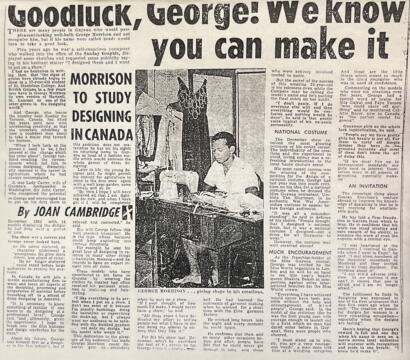
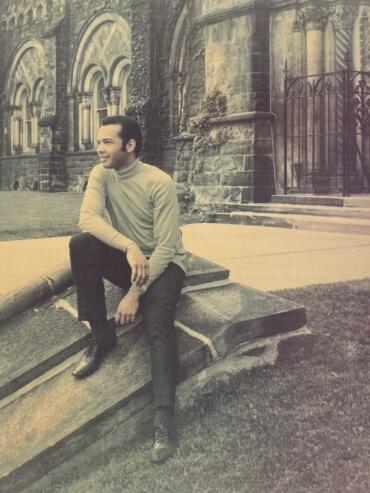
Morrison was born in Georgetown, Guyana, the middle of five children to Stella and George Sr., a school principal who hoped his namesake would follow in his academic footsteps. But his passions lay elsewhere, in fashion design, hair styling and the arts. Against his father’s expectations, Morrison pursued a career in fashion.
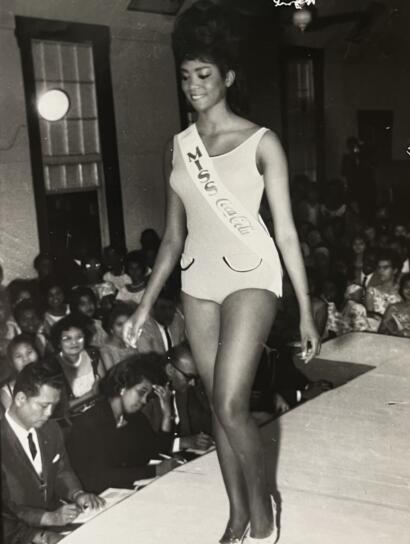
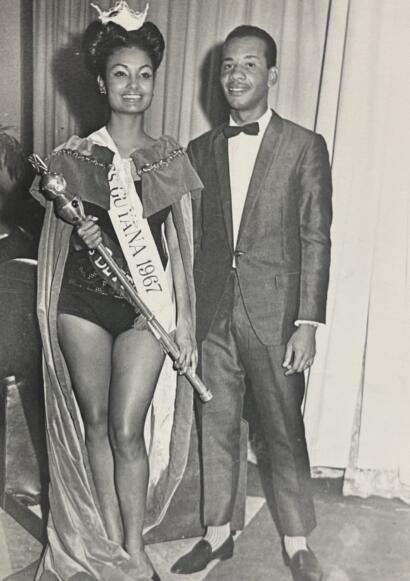
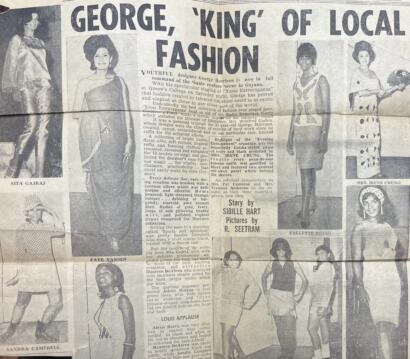
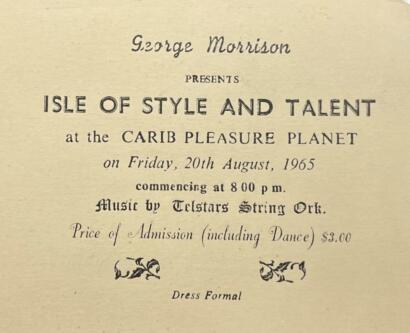
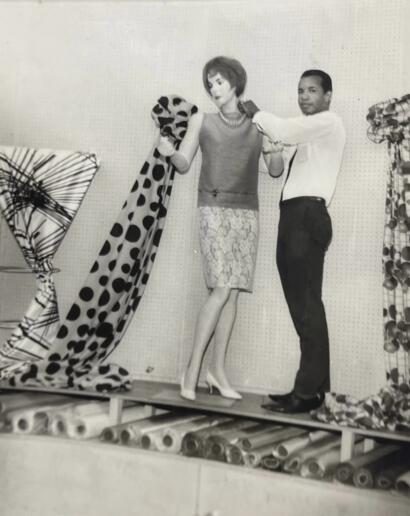
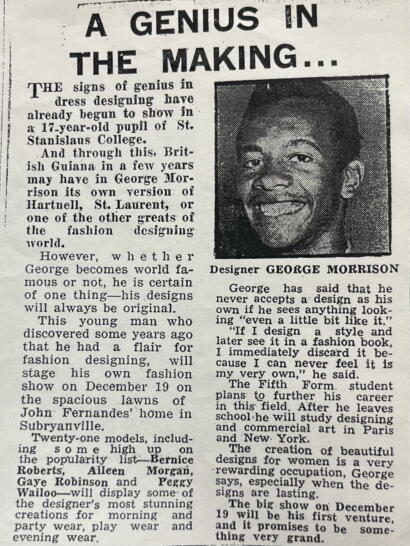
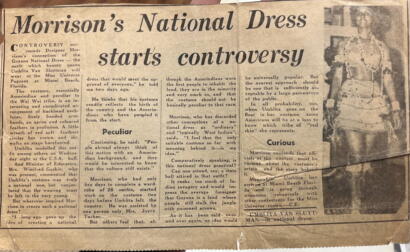
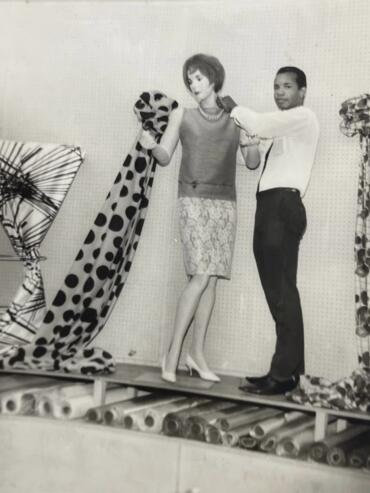
By his teens, Morrison was already using his mother’s sewing machine to make clothes for women in his neighbourhood and was staging full-scale fashion shows, complete with hair, makeup and live music. In 1960s Georgetown, when fashion shows were major entertainment events, Morrison’s productions featured 25 models in his signature show-stopping gowns. “He did the hair, the makeup, the dresses, he ran the show,” recalls his daughter, Eloise Morrison. “He was in the newspapers and whenever anybody mentioned his name, people in the community would know about him.”
What set Morrison apart wasn’t just talent, but his entrepreneurial instinct. He acquired the Miss Guyana franchise before most teens had even picked a career path. He was also designing lavish wedding gowns, hand-beaded, embroidered and elaborate. “These weren’t amateur gowns,” recalls Bill Newman, Morrison’s lifelong friend from high school. “They were spectacular, couture-level pieces.” His talent led to financial success and stability, so he quit school to focus on his career.
It was around this time that Morrison met 19-year-old Cheryl Kennard. She had just returned to Guyana after spending two years in London, England, attending hairdressing school. Her older sister and cousin modelled for Morrison, and soon, she did too. Kennard remembers Morrison being invited to show his designs at prestigious charity events, like Red Cross galas.
One day in 1965, while scouting for Miss Guyana hopefuls, Morrison met Baksh, a soft-spoken young secretary with a striking presence. He saw something special in her. Convincing her to model, he escorted her to the Miss Universe pageant in London, where he designed and styled every look. She finished as second runner-up. The two stayed close, even after Baksh stayed in London and went on to marry actor Michael Caine. But Morrison, newly inspired and with a world of ambition, set his sights on Canada.
In 1969, soon after arriving in Toronto’s west end, Morrison enrolled in hairdressing school, but didn’t stay long. Within a couple of weeks, Morrison was given his certificate because he was outperforming his instructors, who were not familiar with styling Black hair. “Morrison was one of those really rare individuals who just knew how to style hair without any teaching, so they gave him his certificate,” says Newman.
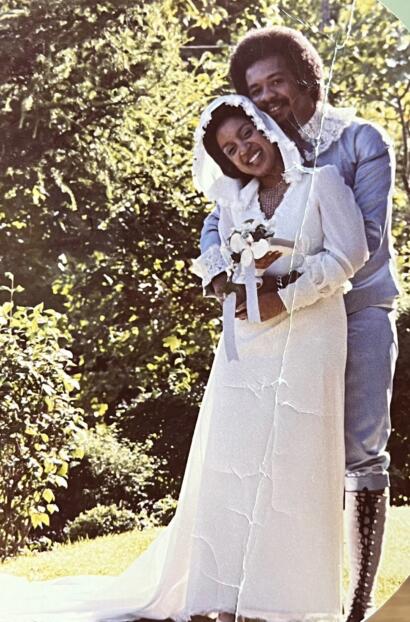
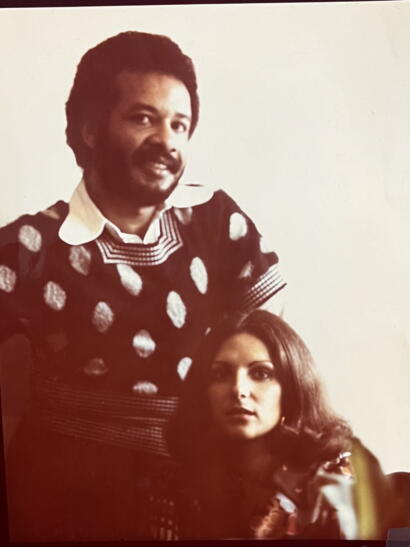
Toronto was receptive to Morrison’s kind of flair. Shortly after arriving in the city, he became close with Carole Adriaans, one of his clients at Bruce of Cruscendo’s salon, located in the TD tower. Morrison would go on to marry her, Adriaans, on July 17, 1971, later having 2 children, Orson & Eloise. Naturally, he designed his own wedding look.
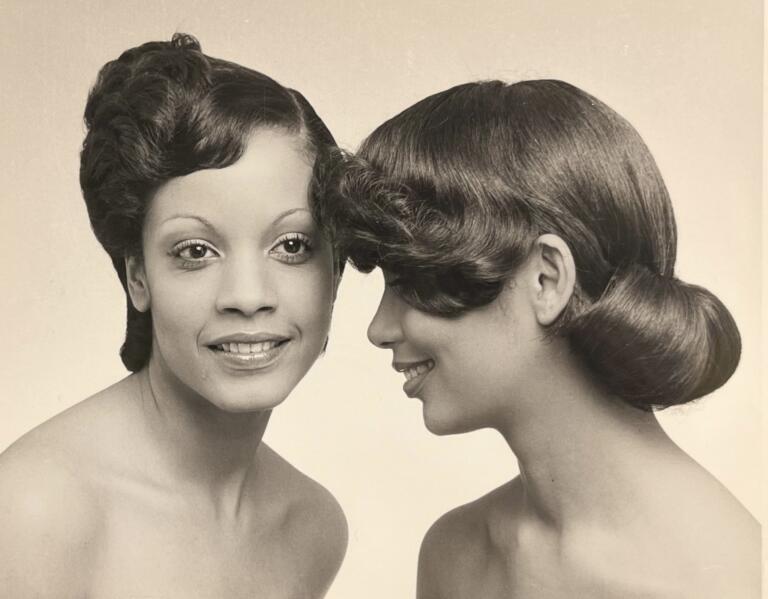
It was a social salon. People dropped in just to hang out, even if they didn’t need a haircut. Just to be in George’s orbit.
This special section creates a photo next to a pull-quote
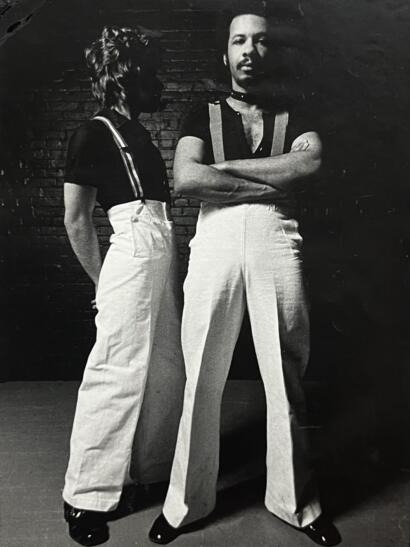
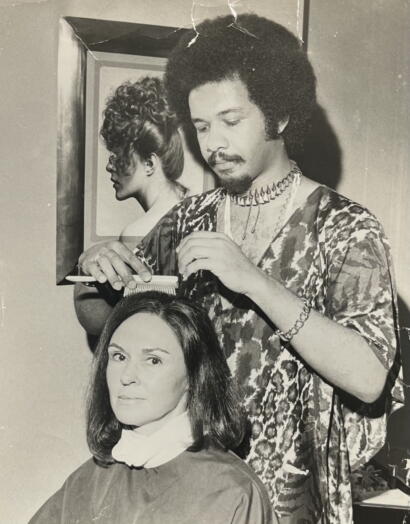
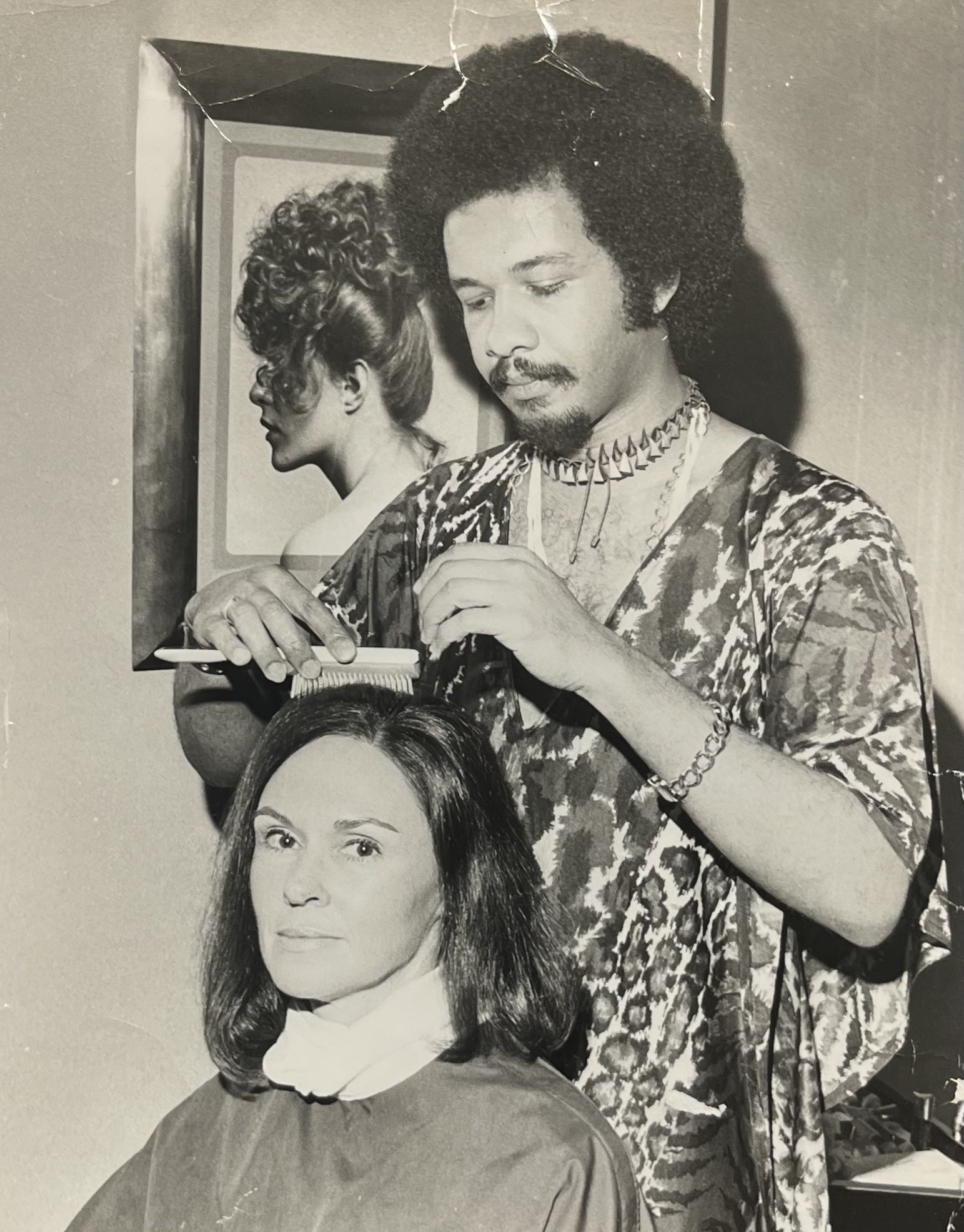
Morrison then quickly opened his first salon, called Designs by George, at 21 Hazelton Ave. “It was a one-stop shop,” says Eloise. “You’d come in and he’d measure you, design your dress, sew it, then do your hair and makeup. You left fully styled by George.”
Many clients who came only wanted to see George, despite a full staff at the salon. He became burnt out by the constant demand and long hours, which led him to join another salon in 1971, focusing on doing hair and creating gowns on the side.
At Robin Barker’s hair salon in Yorkville, a trendy enclave for Toronto’s elite, he reconnected with Kennard, who had recently moved to Canada and was working at Sherway Gardens. Barker needed a colourist, so Morrison made the call, and Kennard came on board. “George had a huge clientele. He was one of the most talented people I’ve ever met,” Kennard says.
Barker remembers those days well. “George was a special part of my salon,” he says. “We had the first ‘ebony & ivory’ clientele in the city. At the time, we didn’t think in terms of Black fashion; we thought in terms of hair fashion.” Barker, who had trained in Detroit under Black hairstylist Sam Orr, created an inclusive space where Morrison thrived.
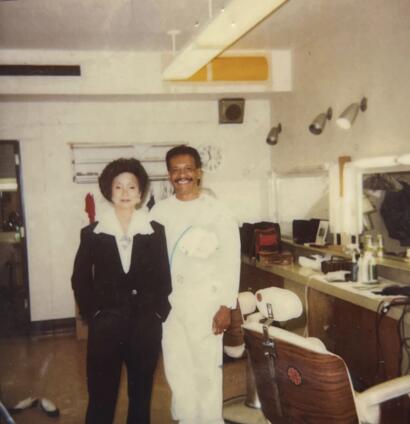
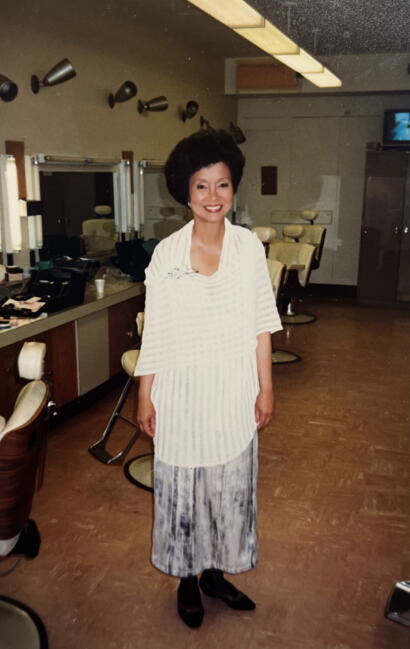
Six months later, in 1972, Morrison and Kennard decided to open their own salon. The two started Hair and Now on Collier Street, just around the corner from Barker’s. Three stylists from Barker’s left to join them, and the salon was quickly a hit.
“George and I would work together on press releases for the new season. George was exceptionally talented,” Barker recalls. “It hurt when he left and took another stylist with him, but there were no hard feelings. Everyone loved George,” he concludes.
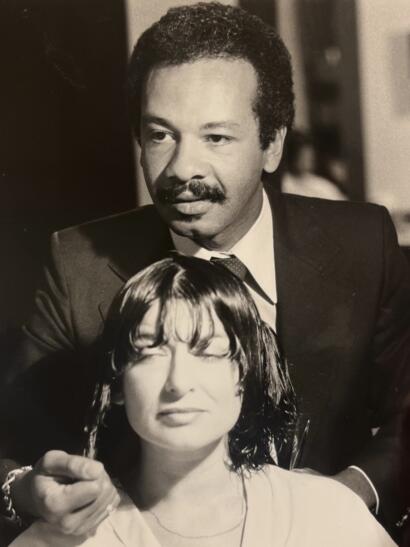
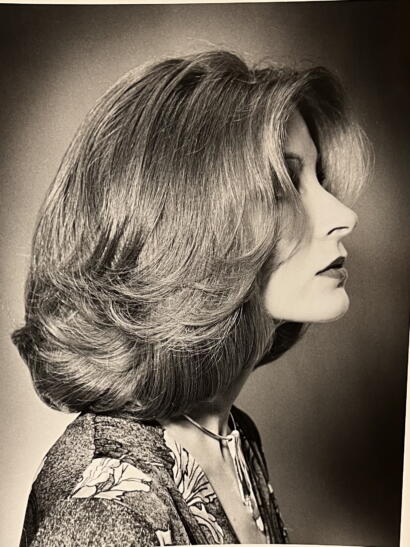
“Hair and Now wasn’t just a salon, it was a scene,” says Newman. On any given day, you might walk in and see artists, socialites or musicians. It was the place to be, a place to come together and a place for community. Morrison had a loyal list of clients, and Newman says he would drop by the salon just to hang out, because you never knew who would be in Morrison’s chair that day. “It was a social salon,” says Newman. “People dropped in just to hang out, even if they didn’t need a haircut. Just to be in George’s orbit.”
Morrison had a kind of presence that was quiet, composed, almost impossibly serene. Kennard remembers studying him as he worked: “He never seemed stressed. He was calm and a real master to learn from,” she says. “I learned just by watching him.”
Evenings at the salon were lively. Tuesdays and Thursdays turned into impromptu parties with wine, gossip and laughter. More than once, those nights ended on a disco dance floor. “Those were some of the best years,” Kennard reflects. “We had a really successful 10-year run.”
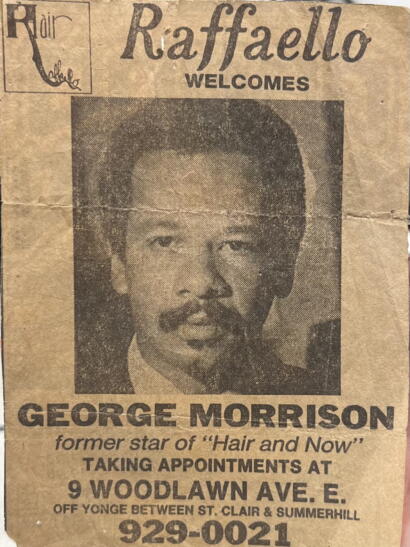
Then one day, Morrison decided it was time for a new chapter. He moved to Raffaello’s, another family-owned Yorkville institution, where he stayed until “retirement,” around 2015. But in truth, Morrison never really retired. Hair was more than a job. It was his art, his language and way of moving through the world, and it never let him go.
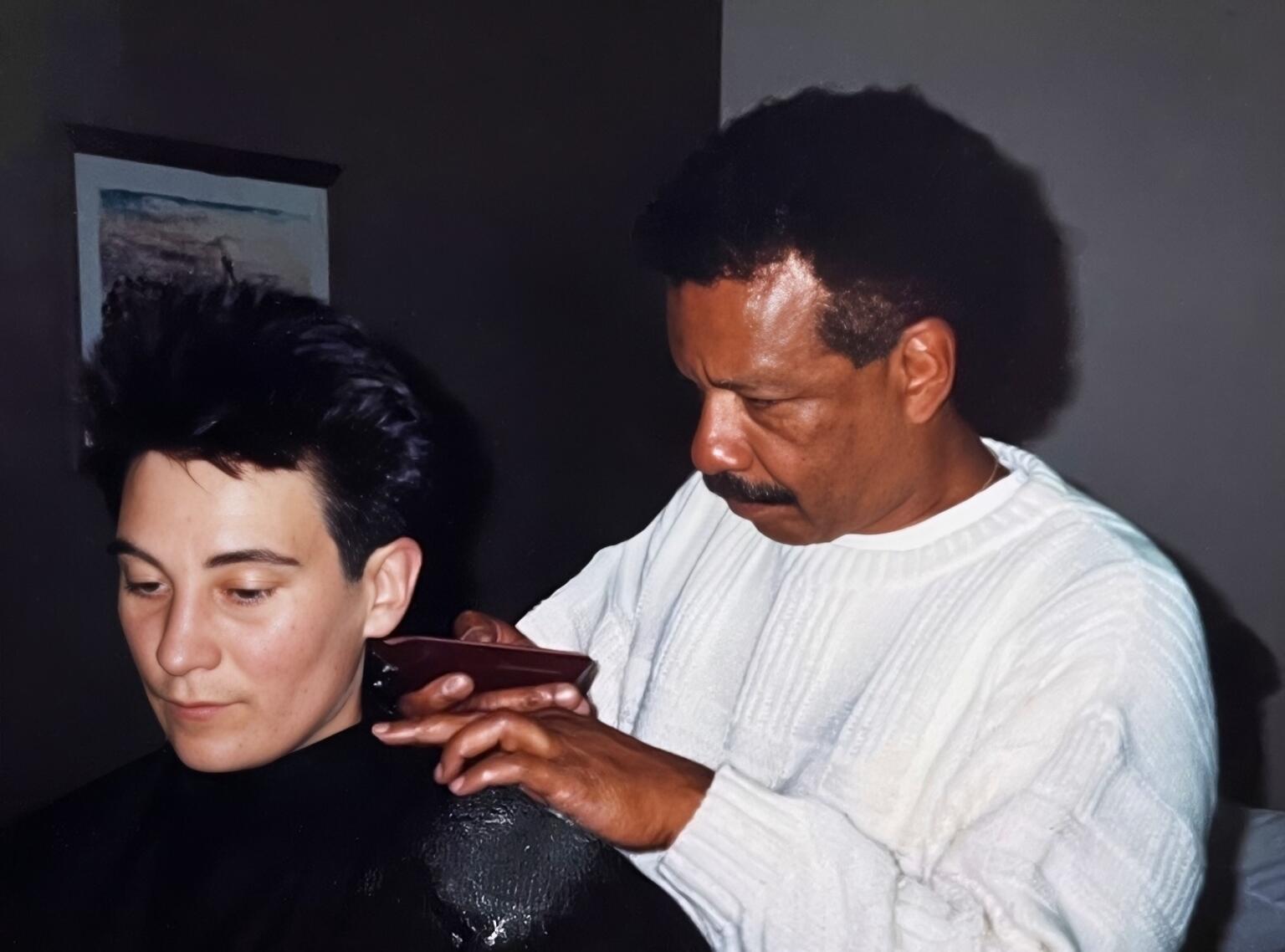
It was a challenge for him. We had real conversations about race, about what it meant to be a Black man working in that part of the city. But because of who he was, he made space for himself.
Fashion and Diversity
Morrison was Guyanese and half Portuguese. In Georgetown, Eloise explains, society was shaped more by class than by race, where community status mattered more than skin tone. “At his fashion shows, my father welcomed women of all ethnic backgrounds to walk his runways,” she recalls. “It was about beauty, presence and confidence, not colour.”
But arriving in Toronto, for all its cosmopolitan sparkle in the late 1960s, brought a jarring reality check. Morrison’s salon on Hazelton Ave was located in the heart of Yorkville’s predominantly white enclave. The racism was blatant, and the unspoken rules of who belonged where hit hard. “It was a challenge for him,” says Eloise. “We had real conversations about race, about what it meant to be a Black man working in that part of the city. But because of who he was, he made space for himself.”
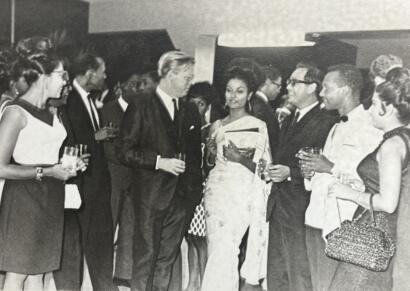
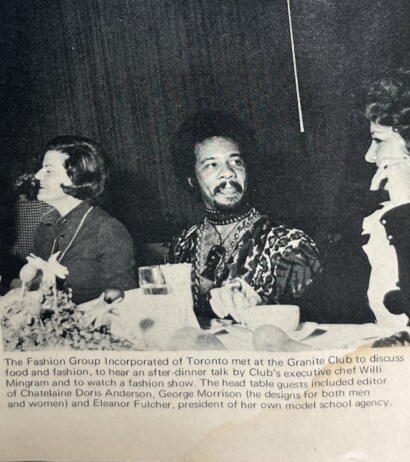
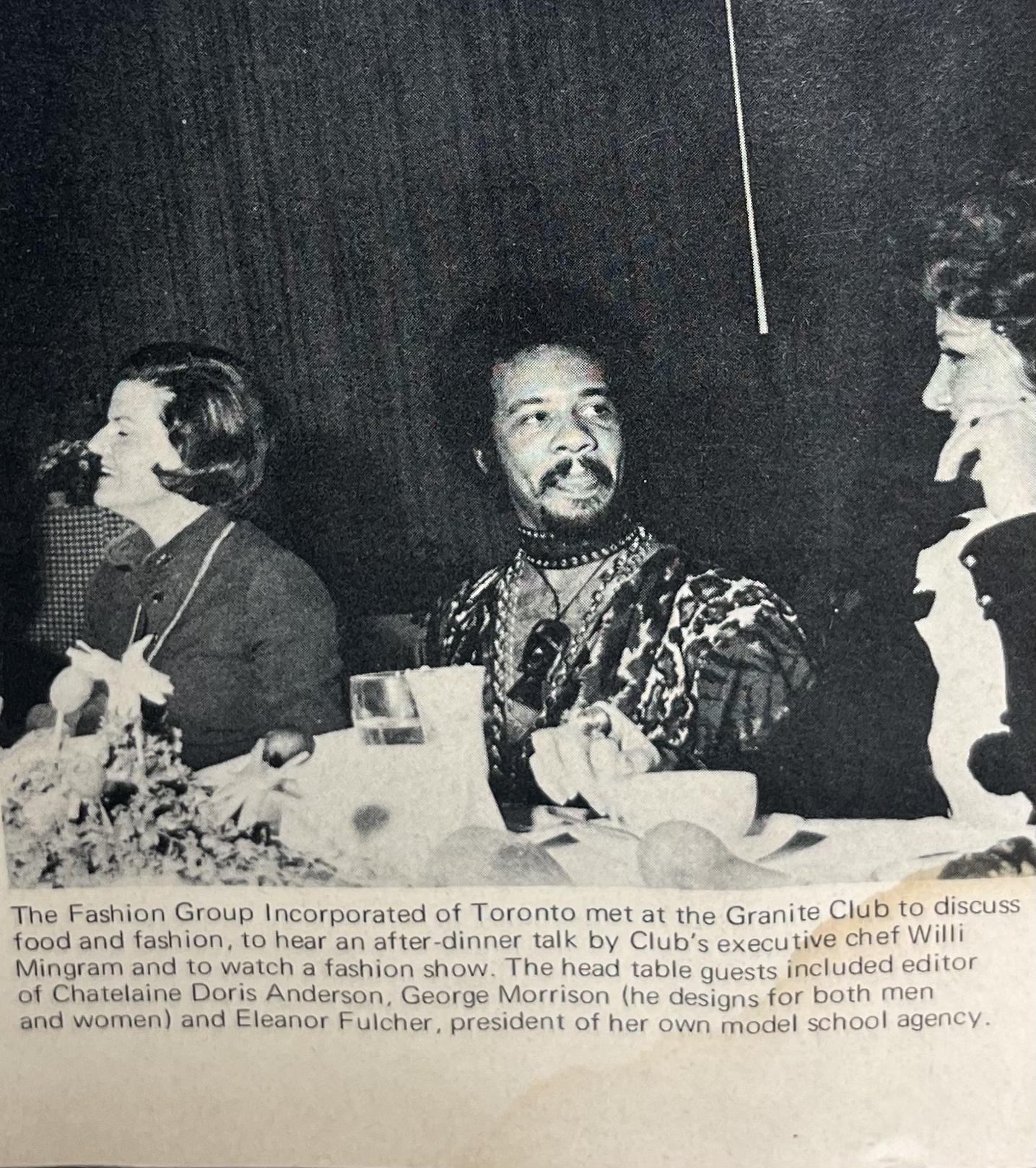
Morrison wasn’t one to shrink in the face of exclusion, and he broke into spaces that weren’t normally open to him. In 1971, he became the first Black man invited to the exclusive Granite Club, one of Toronto’s most elite private social clubs. The event, part dinner, part fashion salon, featured tastemakers like Chatelaine editor Doris Anderson and modelling agency founder Eleanor Fulcher. Morrison, looking elegant and unbothered, was photographed mingling among the city’s social elite. The racially symbolic and stylish moment was captured in a Toronto Life article that still feels groundbreaking.
Influence and Legacy
Morrison’s influence wasn’t limited to Canada; his name carried weight across borders. During his Hair and Now years, Morrison and his business partner Cheryl Kennard were invited to Los Angeles by a prominent Black hairstylist who had developed a new straightening system specifically for black hair. The invitation was a sign of respect.
Word of Morrison’s artistry had travelled, and in L.A., American stylists knew exactly who he was. People wanted to meet him, to entertain him. Whether in Georgetown, London, Yorkville, or Los Angeles, Morrison stood out not just because of his talent, but because he carried himself like someone who knew exactly who he was.
With Carole Adriaans, Morrison had two children, Orson and Eloise. At home, he was the opposite of a diva. “He never raised his voice,” Eloise recalls. “Everything was a conversation. He taught us to be open, nonjudgmental, and to really see people for who they are.” He made her prom dress by hand, cut her hair and showed his love through quiet acts of care.
After he and Adriaans divorced, Morrison came out as gay, a decision he embraced with grace and courage. He didn’t make a grand announcement, nor did he apologize. He simply chose to live as he was, authentically and without shame, and it inspired those closest to him.
When he wasn’t behind a chair or a sewing machine, Morrison could be found in his garden or hosting legendary dinner parties at his High Park home with his partner, Dave Belton. One such gathering featured an entire roast pig, chopped into manageable pieces to fit in his oven, of course. “That was George,” recalls Bill Newman. “Elegant, extravagant, and always up for a challenge.”
Even as he grew older, Morrison never stopped creating. He wrote a memoir, Bear No Malice, about his life in Guyana and his complicated relationship with his father, editing it right up until his passing.
Kennard still misses their daily phone calls, long after their salon days have ended. “He was someone you just wanted to talk to,” she says. Morrison had a gift for conversation, for real connection, and many of his clients became lifelong friends.
A true architect of glamour, he styled the likes of Patti LaBelle, k.d. lang, and Anne Murray, and helped launch a young Shakira Baksh, the future Lady Caine, on her path to the Miss Universe stage.
Morrison passed away on November 24, 2020, at the age of 75, leaving a pioneering career and a chapter in Canadian fashion and beauty history. In an era when few Black stylists were granted visibility in upscale circles, Morrison built his own platform, shaping not just hairstyles but representation in Toronto’s fashion and salon scenes.
His story is not just a personal legacy, but also an important part of the history of Black excellence in Canada’s fashion and beauty industry.
Archive of images at BFC: