June 2022
Month 20xx
Thomas Publow and Breanna Schnurr
Charmaine Gooden
Carol Martin
Highlights
- Toronto-born Denise McLeod, of Jamaican and French Canadian heritage, became one of the most in-demand models in Toronto during the 1980s and 90s.
- She discovered modelling through a Humber College course after flunking fashion merchandising, quickly finding herself booked nonstop for catalogues, campaigns and editorials.
- Despite her success, she faced harsh racism, from debates over showing her hand in Sears catalogues to a Bay beauty poster rejected for being “too Black.”
- Looking back over boxes of clippings and photos saved by her father, she now cherishes her pioneering role and the joy of a trailblazing career.
As Denise McLeod opens the front door of her home, two dogs —Tessa a shepherd lab, and Maisie, a Jack Russell beagle — run past her legs and down the concrete stairs leading off her porch. The entryway light floods outside, highlighting the trees now turning yellow, orange and red, matching the brick of her house. The street is quiet.
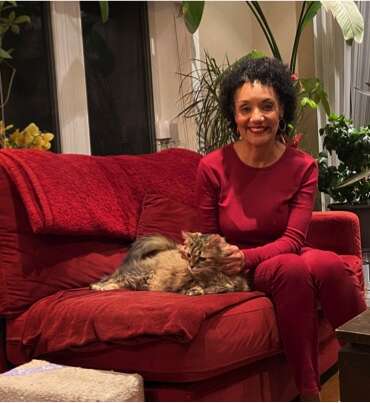
Inside the house lies Rudi, a fluffy brown cat, unbothered by the sudden commotion. “This is so special,” says McLeod as she walks into a brightly lit kitchen. McLeod points to a picture of her with a Black man of Jamaican heritage and a white French-Canadian woman, her parents. “These are the people responsible for my career.”
Early Life and Career
Her father ran the first “Black and white” dance club in Toronto, located on College Street. “I would say it was about 1952,” she explains. She recalls being in there as a kid playing with toy trucks on the hardwood floor, while her parents cleaned.
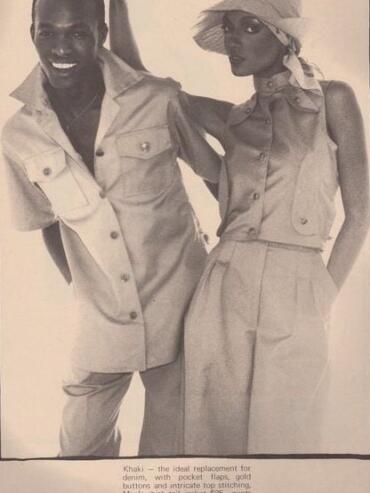
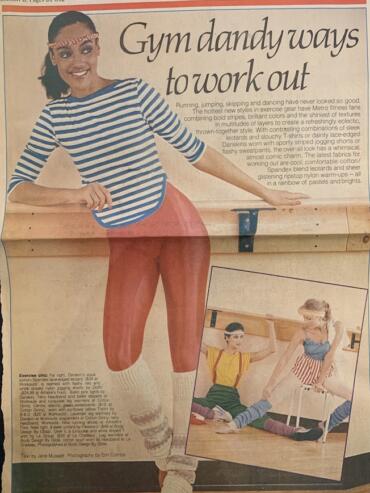
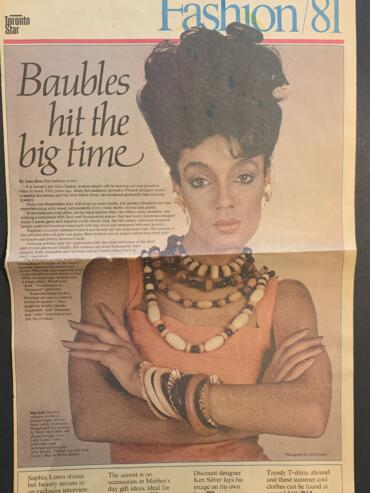
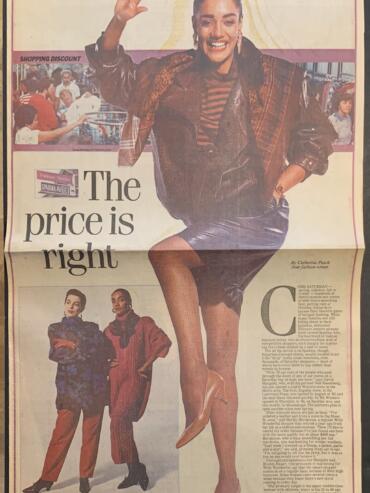
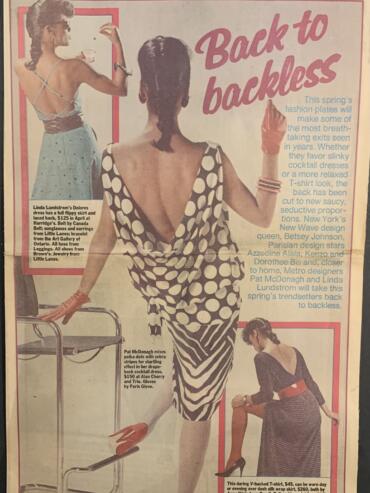
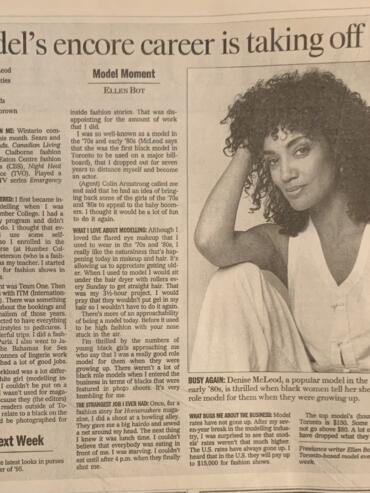
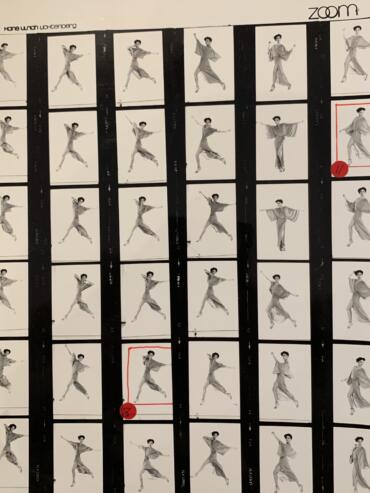
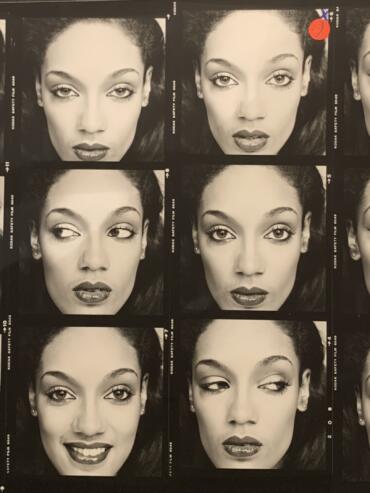
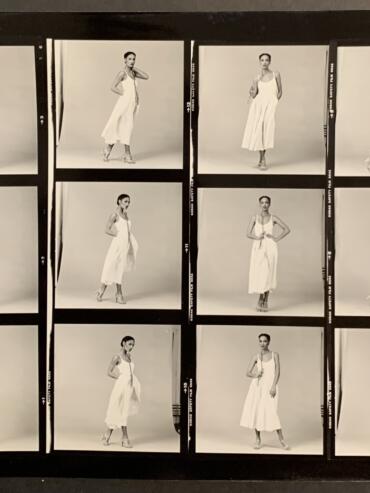
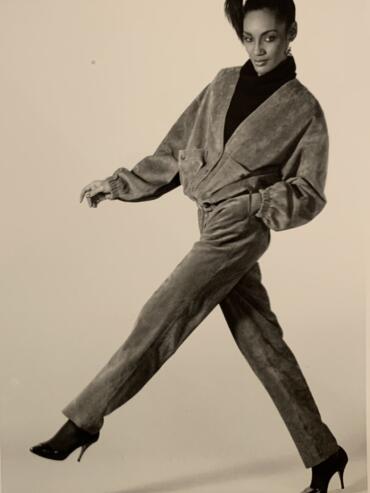
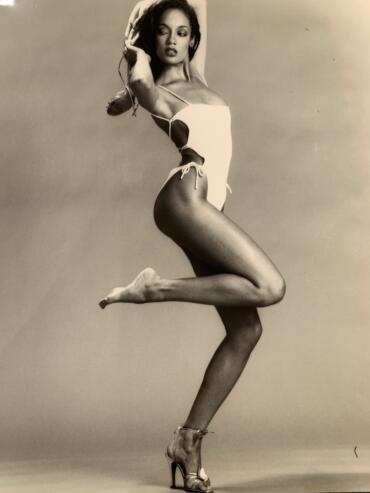
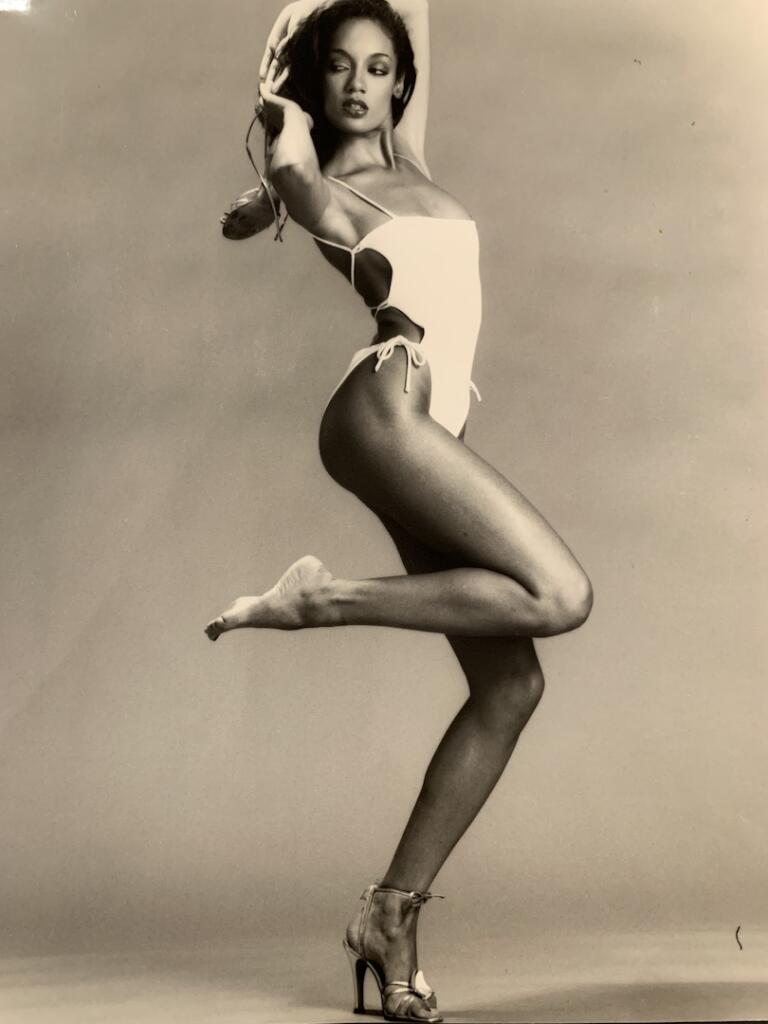
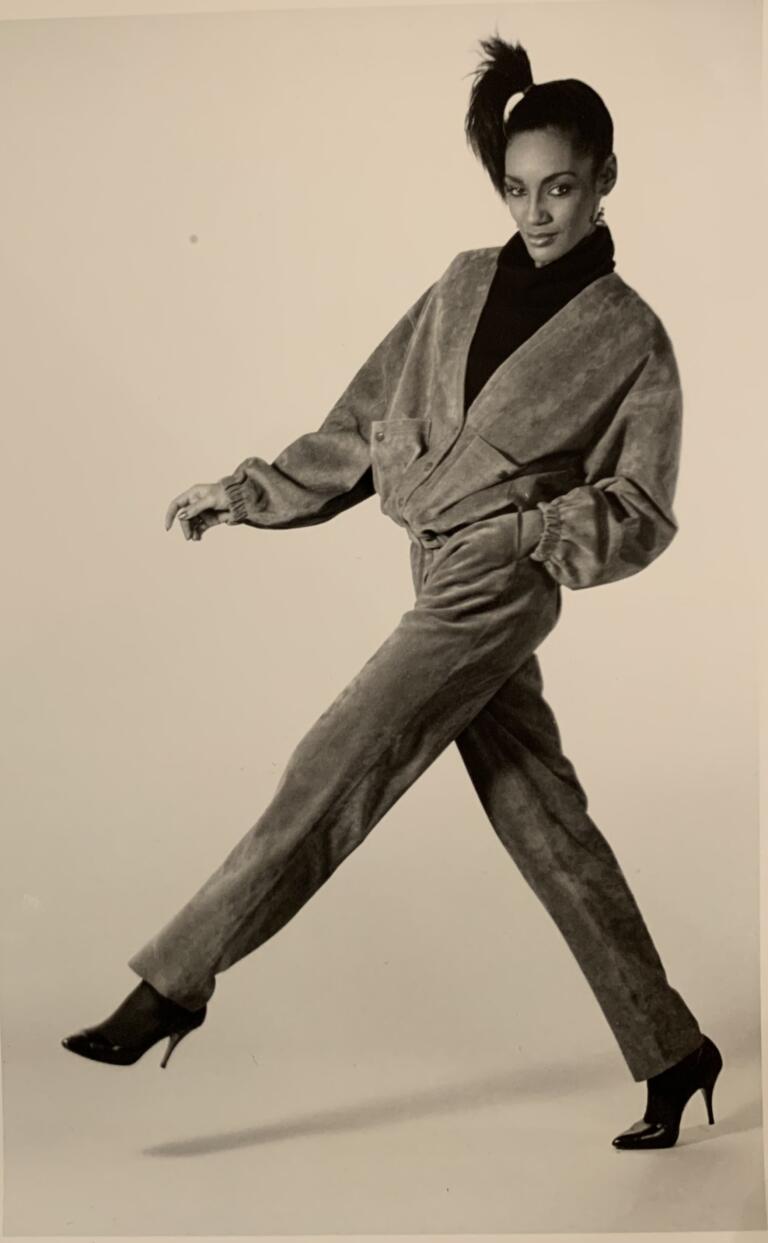
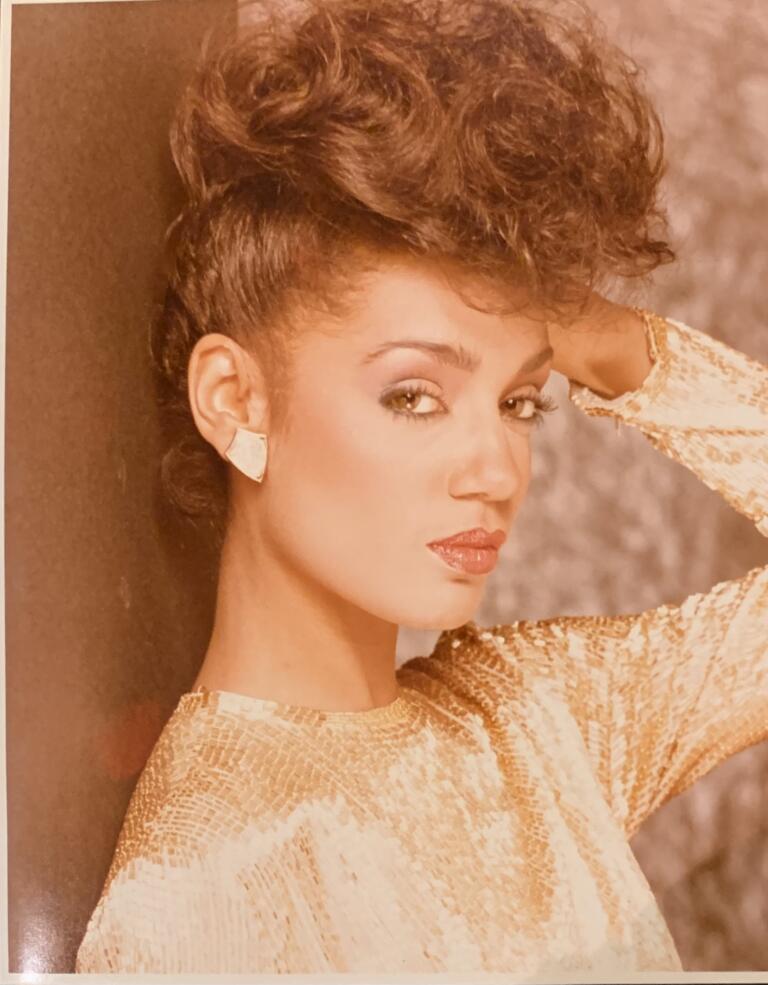
McLeod sits at her dining room table in between two boxes, filled with tangible archives of a distinguished career in modelling and acting that made her a trailblazer of her time. In the 80s and 90s, McLeod was one of Toronto’s most sought-after models, a beauty who has old photographers and designers singing her praises to this day on social media.
“My dad was fanatical. He always kept things. This first box is all him,” she says, gesturing to one of the boxes. “The second one is just me, and I haven’t looked at any of this stuff until right now.”
This special section creates a spread of 2 photos that will jut out into the side margin.
McLeod stumbled upon modelling by mistake. “I knew that Humber College had a fashion course of some sort, but what I didn’t know was that it was for merchandising. I ended up flunking because it was all about math,” she explains. “I thought, “What am I going to do? They had a modelling course. I never thought I was going to be a model, but I thought that everyone could use self-improvement, so I joined. Little did I know that I would end up getting modelling gigs out of that.”
McLeod pauses. “Look at how many I did,” she says in shock, finding so many images she hasn’t seen in years. “I was a slave to my answering machine. I was like, ‘Okay, where do I go tomorrow?’ No day was for myself…Oh, look at these things, is that not crazy time?”
Fashion and Diversity
Her career sat at the precipice of Toronto’s changing industry. Being one of the first Black models of her time, she helped pave the way for Black industry professionals to be taken seriously with their craft. Despite the efforts being rewarded today, she faced a considerable amount of racism while working in the industry. “You never saw Black people on covers and things,” she explains, flipping through cover shots of her own.
“When I did Sears catalogues, sometimes they would have a thing called a half-figure, which means that your head wasn’t in it. What colour is my hand?” she asks while demonstrating the hand pose typical for these shots. “They had to call the head office, and my head wasn’t even in this shot, to see if they could have a Black hand.”
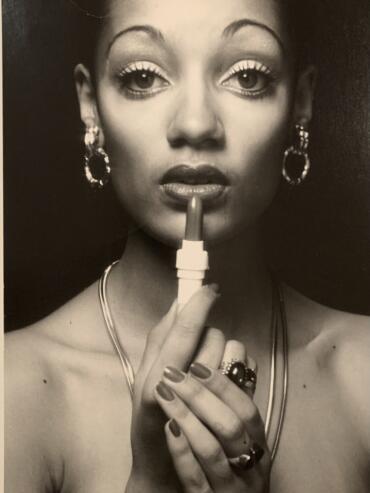
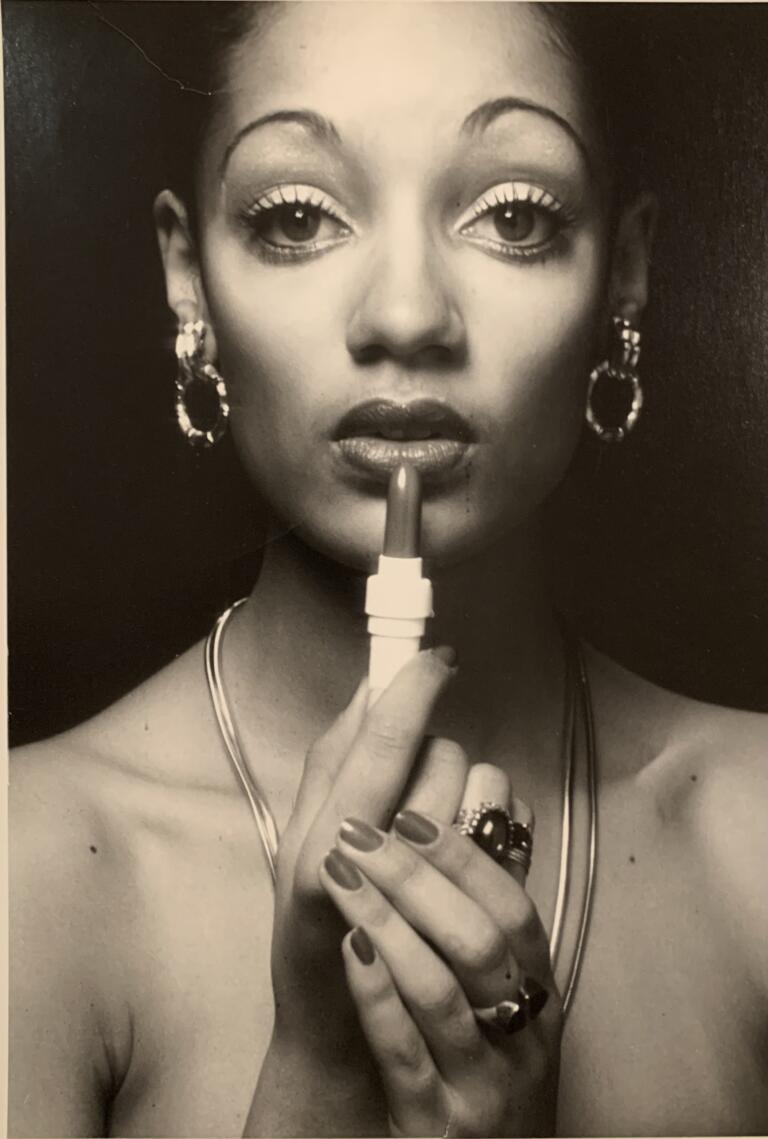
McLeod pulls out a stunning black and white portrait. “This, I believe, is one of my favourite shots. I did this in the ‘80s, and it was for a makeup poster for The Bay,” she says, centering the image on the table. “They wouldn’t go forward with it because I was Black. They felt that a small town would not be able to accept a Black person.”
They had to call the head office – my head wasn’t even in this shot – to see if they could have a Black hand.
Influence and Legacy
Despite the reservations she felt, being one of the only Black people in the room for many of her jobs, McLeod speaks of her career with immense pride and gratitude. Every image and newspaper clipping she pulls out comes equipped with a story. She beams every time she sees something that had been lost in her memory
As the evening came to a close, McLeod packs decades of her life back into the cardboard box, opens her arms in a warm embrace and waves goodbye through her screen door. Her dogs disappear back into the kitchen of her house, her cat quietly files upstairs. The street, as quiet as it was in the beginning, is now only lit by the glow of street lights.
About the authors:
No posts found!
No posts found!