June 2024
Month 20xx
Samantha Hawes and Arpita Quadir
Charmaine Gooden
Jacob Marion
Highlights
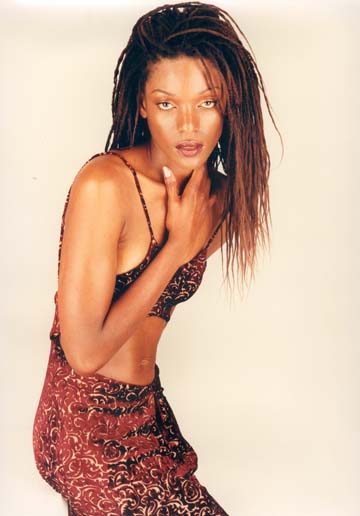
- Trinidad-born Charlene Francique built a 14-year career as a professional model, staying busy through trunk shows, showroom bookings and steady commercial work.
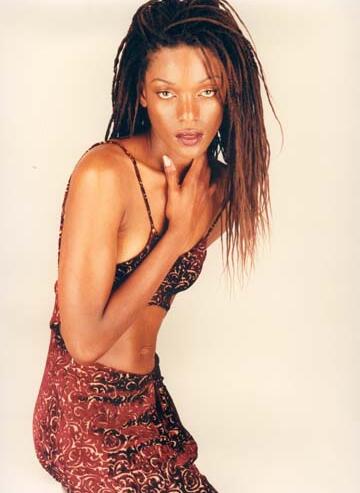
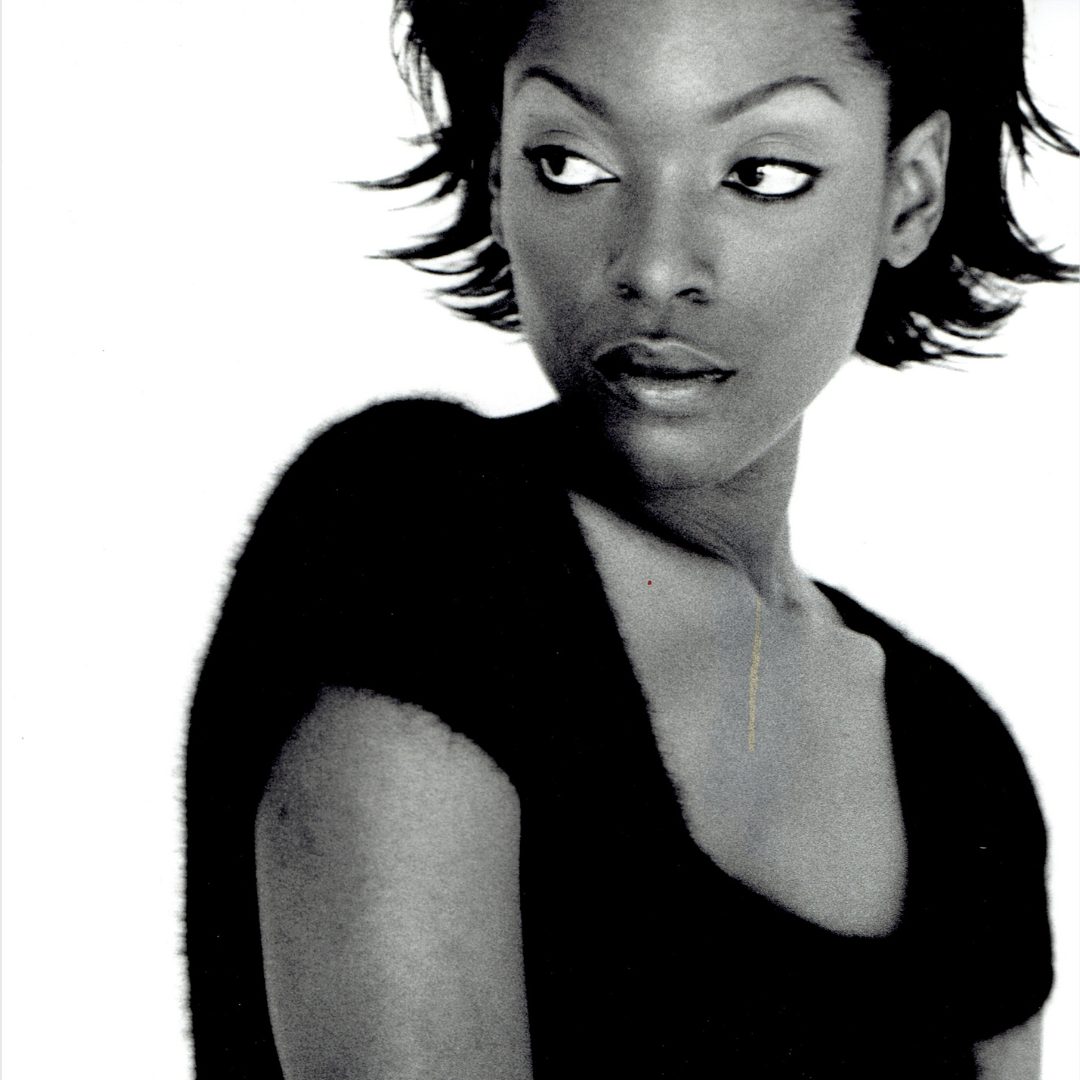
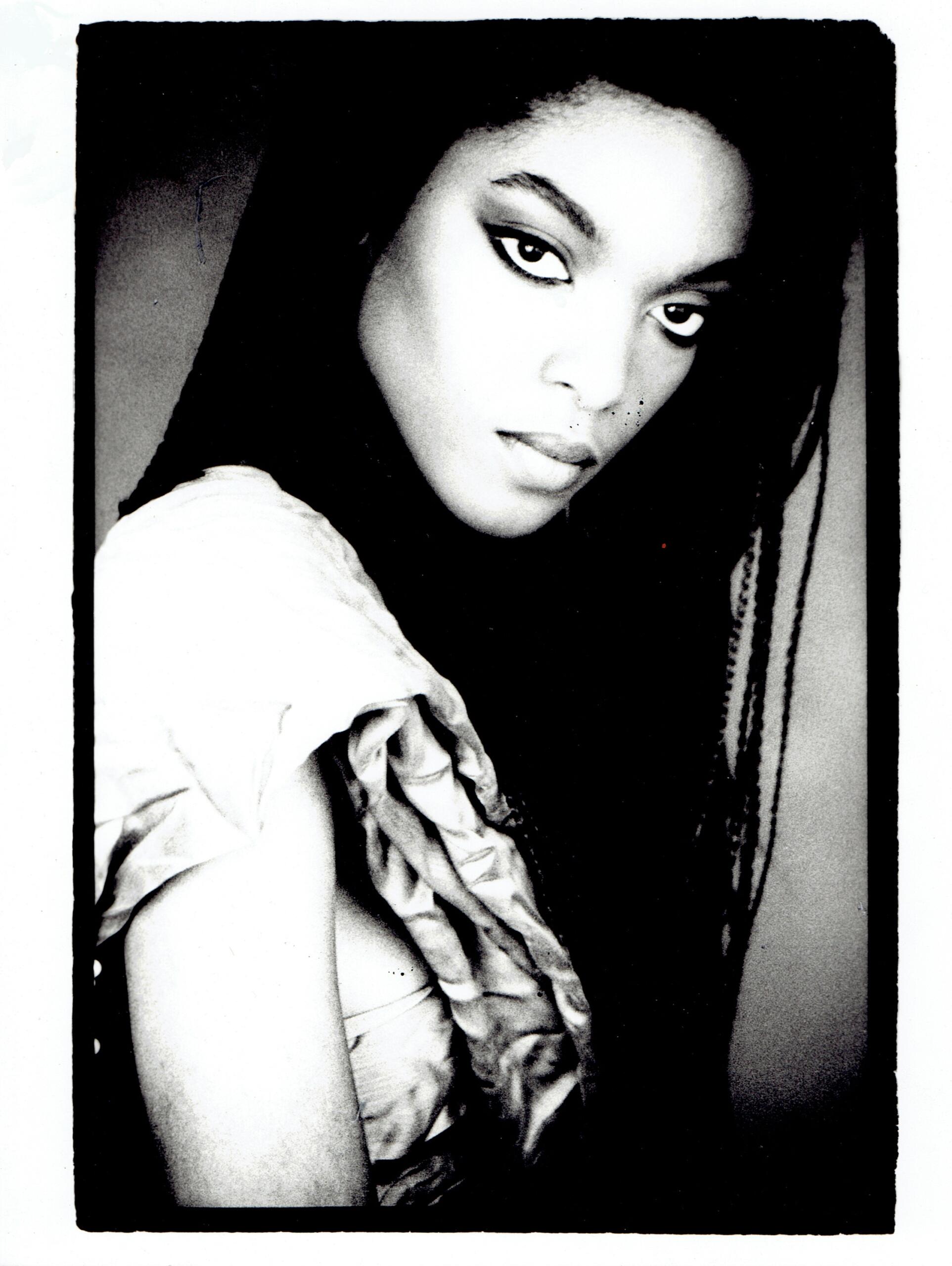
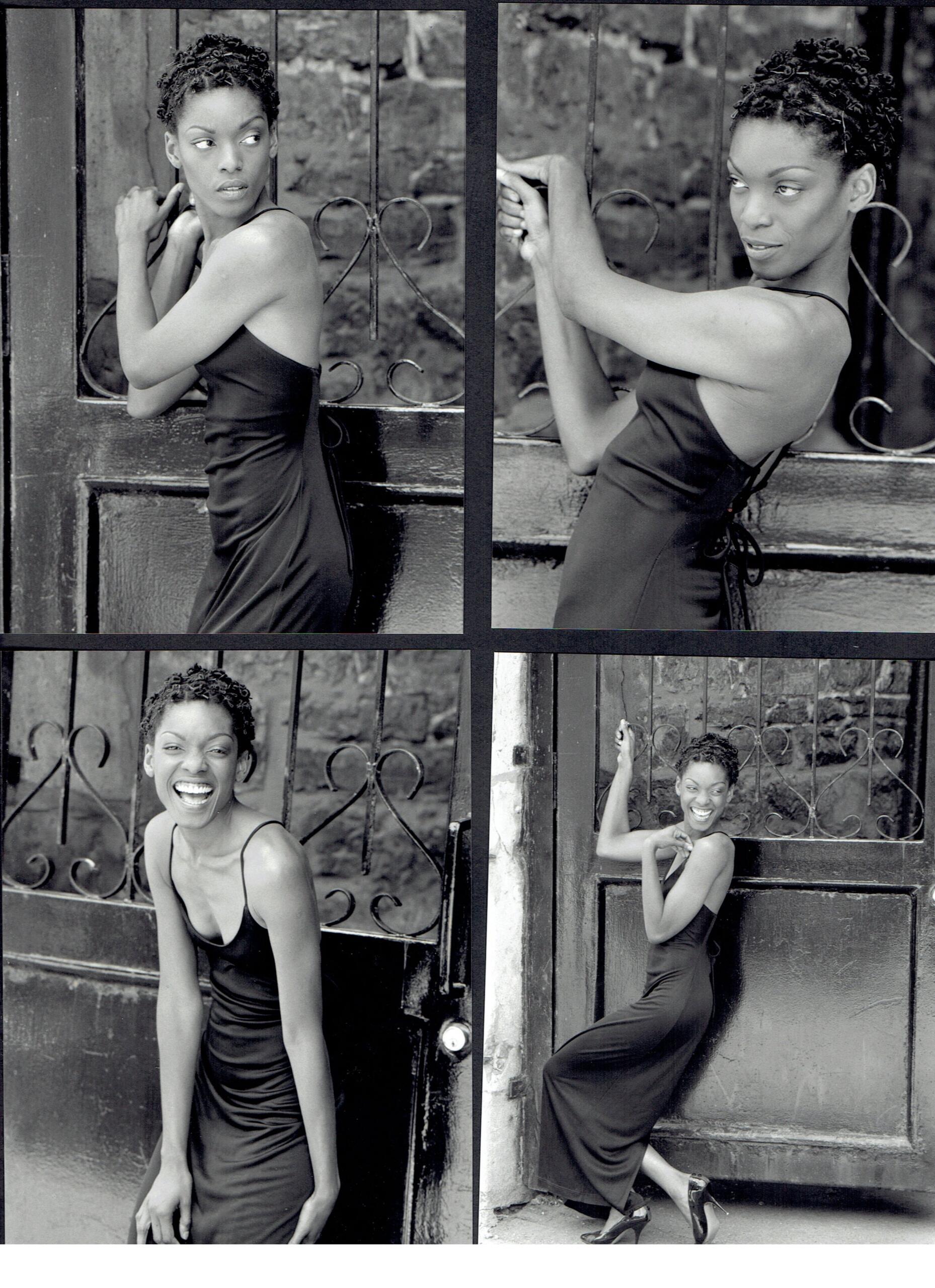
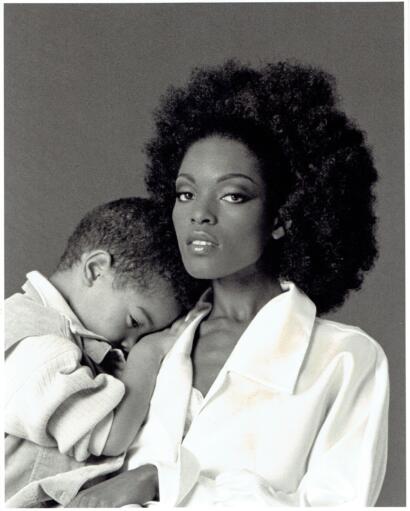
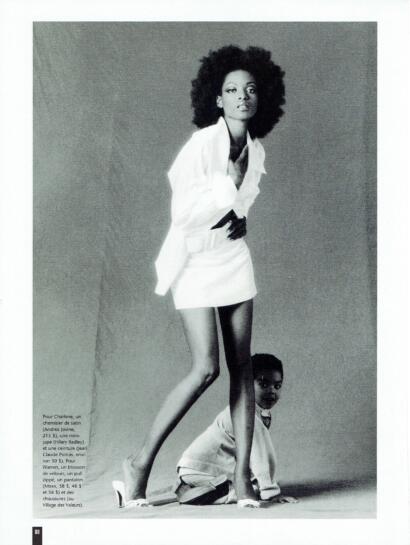
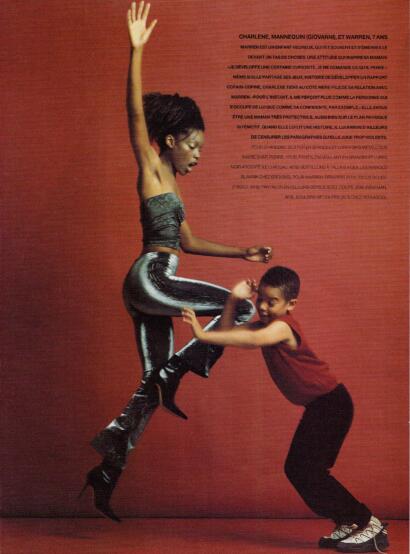
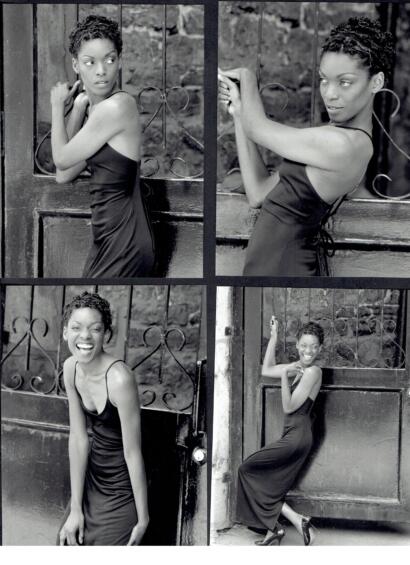
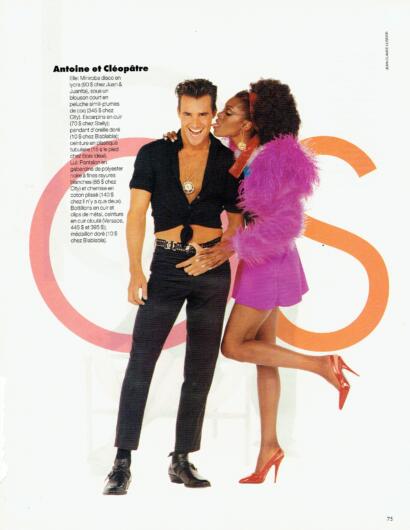
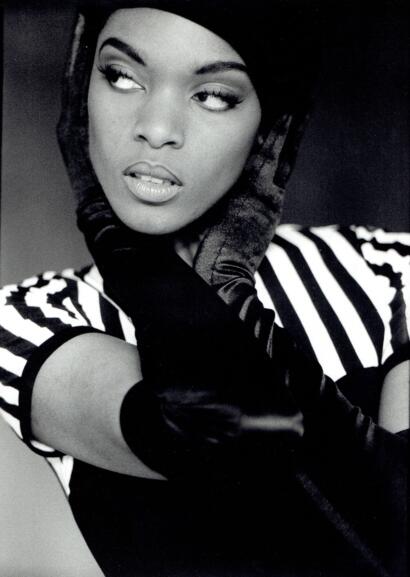
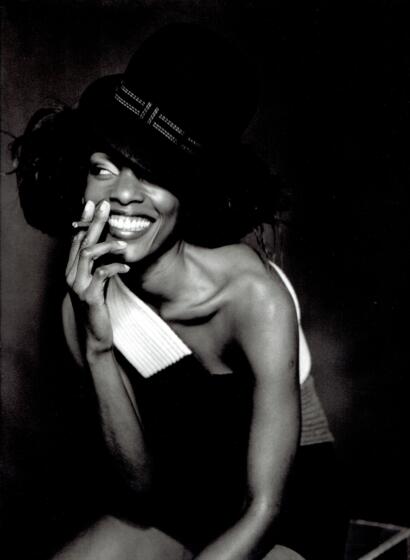
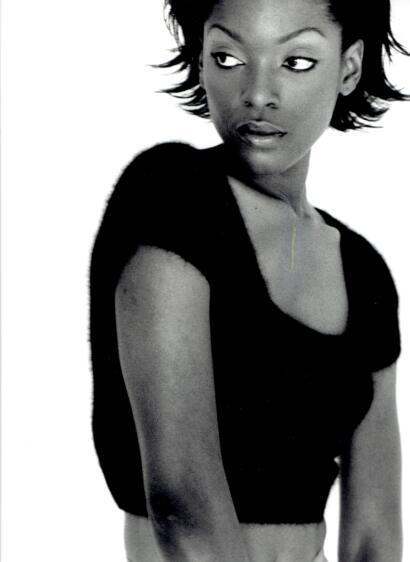
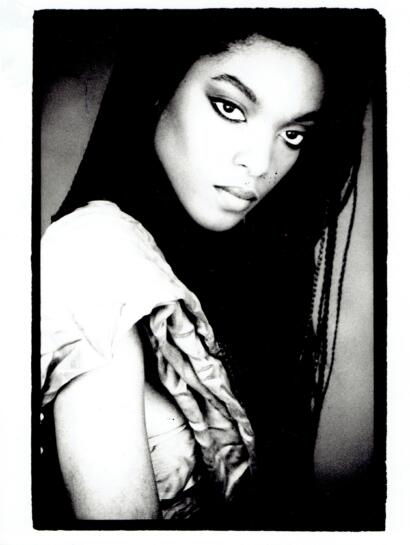
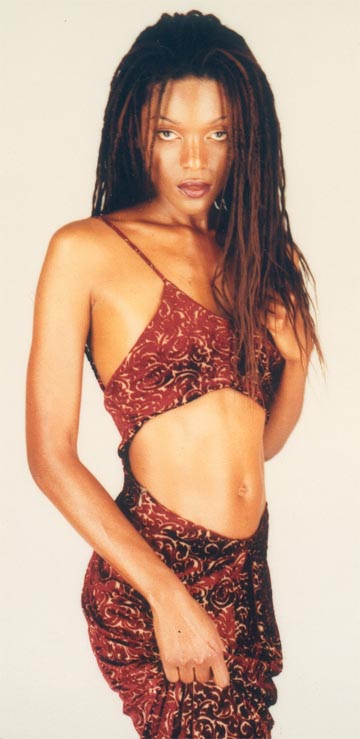
- Her portfolio spans everything from lingerie campaigns to high-fashion editorials, showcasing a chameleon-like ability to shift between characters and moods.
- She later expanded into graphic design, bringing a sharp visual eye and storytelling instinct beyond the runway.
- As a stunt performer, she proved her range once again, stepping into action roles that demanded both physical courage and on-camera charisma.
At the height of her career, former professional model Charlene Francique graced the runways for brands like Chanel and Versace, and luxury retailers Holt Renfrew and Ogilvy’s. She worked directly with Québec designers Denis Gagnon, Jean-Claude Poitras, Marie St. Pierre, and Nadia Toto.
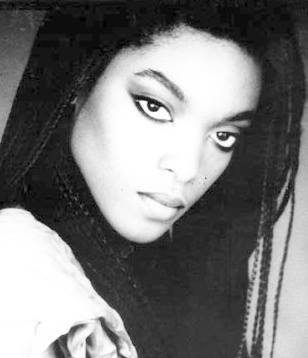
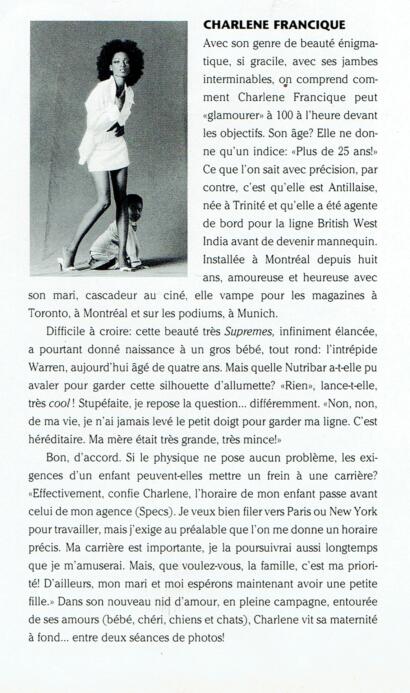
It was a whirlwind experience that brought Francique incredible joy and irreplaceable life experiences. From 1989 to 2003, she modelled during the height of the supermodel era, becoming one of Montreal’s top models while learning how to stay relevant in the fashion industry for 14 years.
Early Life and Career
Francique was born in Trinidad and completed her schooling at Mount Hope Jr. Secondary School and Barataria Senior Comprehensive. Initially, she worked in the accounting department of Bermudez Biscuit Company before becoming a flight attendant for British West Indian Airways in the 1980s.
In 1987, Francique relocated to West Island, a suburb of Montreal, Quebec. There, at age 21, she was scouted and offered a modelling position for the first time. Until then, the idea of modelling professionally had never crossed her mind. This unexpected opportunity revealed a new path.
She had previously considered her appearance to be average, so when she was approached to model, “It was a big deal,” she chuckles. Francique had to shift her mindset to believe that modelling was an option. Inspired by magazines and supermodel icons like Iman, she embraced the possibilities.
Francique recalls being hand-picked by the creative director of Chanel for the reopening of Holt Renfrew after their Saint-Catherine Street renovations in the 1990s. “It was the show everyone wanted to be booked for, so all the runway girls showed up for the casting.” The show’s parameters were strict but simple: “They weren’t doing any alterations; you had to fit the kit or you’re out.” When Francique fit into one of their iconic form-fitting tweed suits, it was a special moment. “It sounds superficial, but at that age, you just want to feel like you fit in.” It gave her a sense of belonging and triumph in a judgmental environment.
“Runway modelling and trunk shows were my full-time job for about 12 years,” says Francique. She was mostly confined to the runway, missing opportunities for covers and campaigns. “The industry had specific expectations and definitions of beauty. Certain looks got the covers, and others didn’t. A certain walk got the runway, and others didn’t,” she explains.
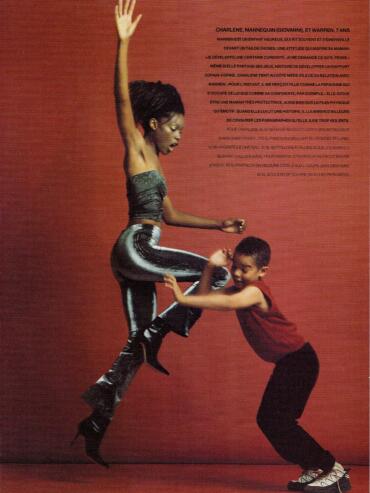
But the ongoing need to update her portfolio presented opportunities to work with makeup and styling teams like Dick Walsh’s, and be photographed by masters like Manon Boyer, Patrice Massé, Jean-Claude Lussier and Andre Caty.
This special section creates a spread of 2 photos that will jut out into the side margin.
Runway modelling and trunk shows were my full-time job for about 12 years.
Though she wasn’t a regular photography model, her runway and trunk show ‘bread and butter’ gigs provided steady work at regular intervals, establishing a workable financial base.
The upside of not having to go to work every day,” says Francique, “meant that I had the freedom to attend Concordia University to earn a certificate in Graphic Design, which qualified me for a full-time job.”
Her first long-term position came in 2004 as a graphic designer at Philhobar Design Canada Ltée, a supplier of private-label apparel to major retailers. The position involved sketching new collections each season for mass-market retailers. While their graphic design team was highly skilled, her runway experience set her apart.
Melissa Yorke, Francique’s former colleague at Philhobar, says, “Charlene was different because she came from the fashion world,” adding, “She brought a unique perspective to the job.”
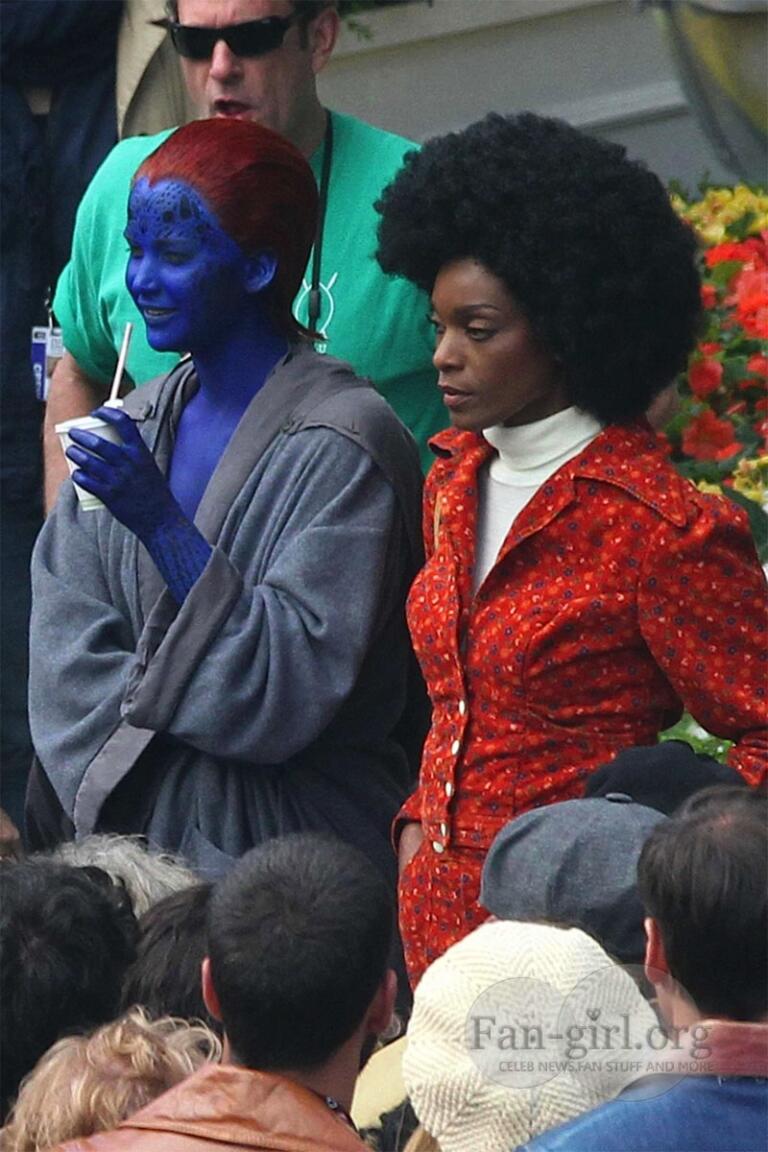
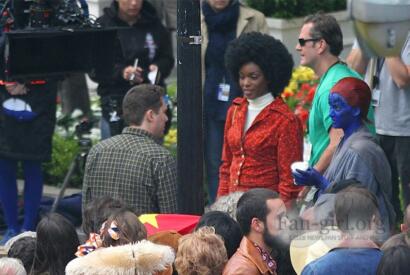
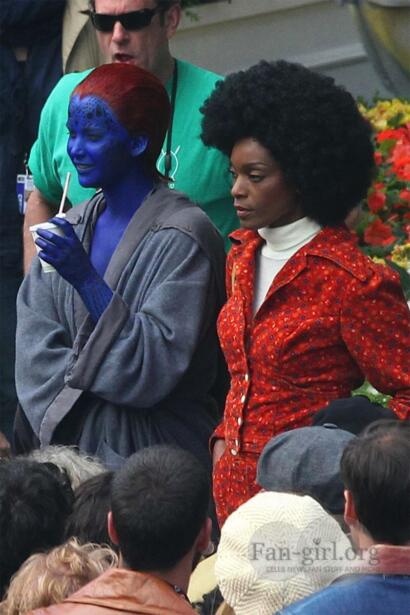
Alongside working in graphic design, Francique also worked as a stunt performer intermittently in film from 1994, alternating between graphic designing and films for years.
Fashion and Diversity
Trinidad is a cosmopolitan Caribbean Island with migrants from all over the world. “You don’t feel like a minority,” says Francique. So, moving from an inclusive developing country to a first-world country where minorities struggle to be hired was a shock.
Despite her high expectations for equality in Canada, Francique encountered unwritten rules in the fashion industry limiting the number of Black models in each show. Francique and other Black talent navigated the industry by remaining resilient and celebrating successes, believing that when one succeeded, they all did. She tried to stay in the moment, accepting the industry’s limitations. “The racism wasn’t overt because camaraderie and lasting friendships were mixed in,” she explains.
Ursula Bunge, a former modelling colleague of Francique’s, expressed how it felt to be one of the most sought-after models in the city. “To have been selected from top agencies like Giovanni gave us a sense of making it, especially coming from a Black and mixed background.”
Ageism was also alive in the modelling industry. “You had to be a certain age to be considered relevant in the fashion industry,” she comments. “On my 25th birthday, my agent at the time instructed me to continue saying that I was 24, so when I turned 26 I joked that I was traumatized because 25 went by totally unacknowledged.”
While the fashion industry has since expanded its inclusivity, in the early 2000s, she didn’t want to be rejected for being ‘too old.’ So, after 14 years of modelling, she was ready for a more secure job but wanted to remain within the fashion industry.
Influence and Legacy
Francique’s extensive modelling career lives on as an example of the possibilities in fashion for aspiring Black models. She expresses gratitude for her opportunities, saying, “You have to show up as your best self, and everything will fall into place. The industry taught me that.”
Working on the inside, Francique saw the fashion industry from all different angles. During her time as a model, she witnessed brands like United Colors of Benetton market a diverse array of models. While she left modelling before the industry fully embraced inclusivity, Francique’s visibility in the industry helped open doors for Black models of today, allowing them the opportunities she wasn’t always afforded.
Ready to leave modelling after 14 years, Francique did so on her terms. Through the ups and downs, she is thankful for her experiences and life lessons. “It taught me how to present myself and public relations,” she adds. “It taught me a lot about self-motivation.” Her biggest takeaway was learning to work through the industry’s faults and becoming stronger despite them.
Any measure of racism we encountered quickly faded into the background in favour of camaraderie and friendships that have lasted for many years.