June 2026
Month 20xx
Hajir Butt
Anfal Hafsa Hanif & Farkhounda Azizullah
Charmaine Gooden
Jacob Marion
Highlights
- A pioneering entrepreneur, Mascoll brought Black haircare and beauty products to a national Canadian market when few options existed.
- She launched her own charitable organization, the Beverly Mascoll Community Foundation, with a mandate to support people from marginalized groups
- Her legacy endures as a trailblazer who turned vision into impact.
Beginning of article
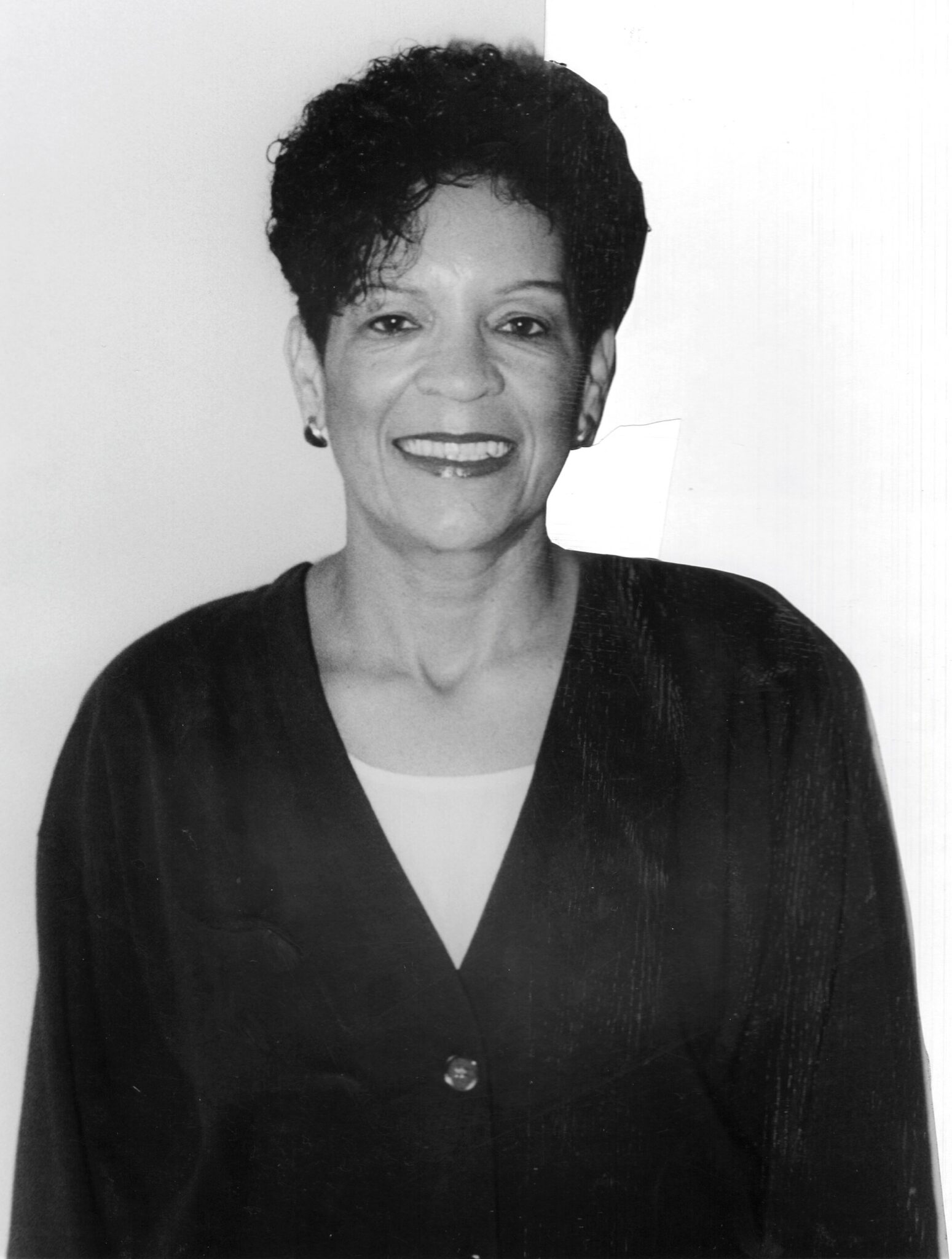
With $700, a dream and endless ambition, Beverly Mascoll became one of the most successful Black hair and beauty entrepreneurs in Canada, a symbol of success achieved through focus and perseverance.
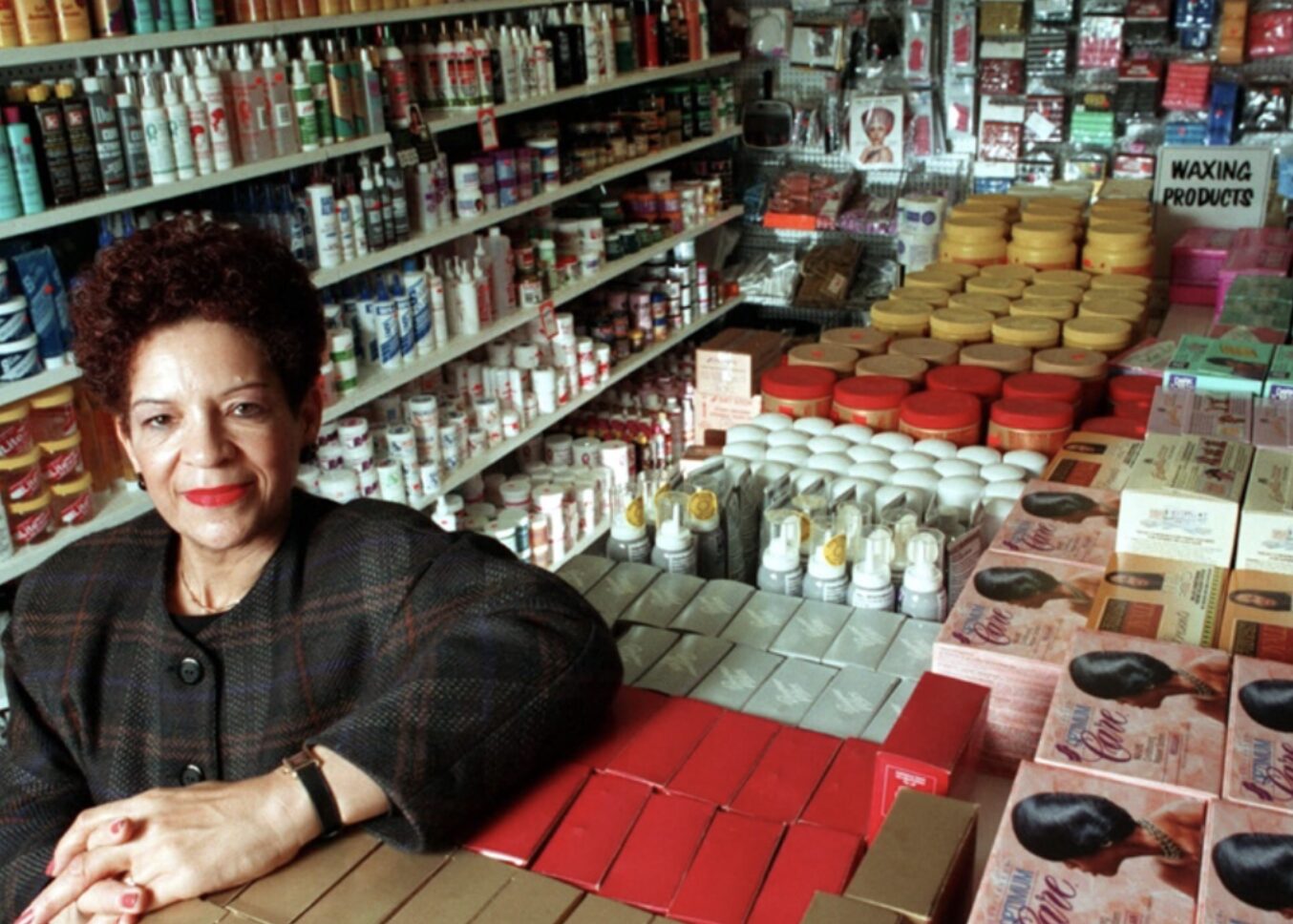
What began as door-to-door selling hair products out of the trunk of her car to Black hair salons along the streets of Toronto, grew into a highly successful company that expanded access to products and services for Black communities across the country.
Early Life and Career
Mascoll was born in Fall River, Nova Scotia, to Arthur and Gwendolyn Ash. She was the middle of three children, with an older and younger brother. As a teenager in the late 1950s, her family moved to Toronto, Ontario, settling on Markham Street. She attended Central Technical School, a high school located at Bathurst and Lennox St, graduating in 1959.
After graduating, Mascoll became a receptionist at Toronto Barber and Beauty Supply, one of the longest-standing beauty businesses in the city. They had placed an ad in the newspaper for a position, and she came in to apply. After just six months, Mascoll became assistant to the company’s president, Nat Kaufman, who spoke on her work ethic in a tribute video, “Angel: A Celebration of the Life of Beverly Mascoll”.
“She did pricing; she worked at the counter. She did whatever was necessary. Beverly was not lazy. Beverly was willing to go out and do what she had to do, and the rest is history,” says Kaufman in the interview.
During her time at Toronto Barber and Beauty Supply, Mascoll noticed the lack of hair and beauty products catering to Black women. At the time, these hair-care products were scarce and often had to be imported from the United States. She saw that Black customers would come into the store looking for products suited to their hair type, but often found none.
Taking matters into her own hands, Mascoll turned to banks for business loans, but was denied. Despite the rejection, she did not relent, deciding to invest her own $700 into starting her business.
This marked the beginning of Beverly Mascoll Ltd, which would grow to become Mascoll’s Beauty Supply, Canada’s largest distributor of Black haircare and beauty products.
“Her business coincided with a wave of immigration coming into Canada from the Caribbean in the 70s,” Eldon explains.
When people who immigrated to Canada walked into the store, they would see an owner and products for people that looked like them.
In 1964, she married Emerson Mascoll, and in 1970, they had a son, Eldon. Shortly after, she took her business on the road, selling products from her car to hairdressers, turning each encounter into an opportunity to build a relationship.
In an archival interview featured on Caribbean Vibrations TV, Mascoll describes how she juggled being an entrepreneur and a parent. “I had a new business and a new baby, and that was really tough going, because I set the baby on the front seat of the car and the products in the back, with a baby on one hand and products in the other. It’s kind of crazy when I look back at it now,” she recalled.
Living up to her ‘go big or go home’ personality, soon after launching her business, Mascoll flew to Chicago to make a deal with Johnson Products Company. Manufacturers of the largest Black hair care brands at the time, Ultra Sheen and Afro Sheen. Her pitch was direct and to the point; she wanted to become their exclusive Canadian distributor. She succeeded.
In 1973, Mascoll opened her first retail location, Mascoll Beauty Supply, at 870 Bathurst Street in Toronto, around the block from the house where she grew up, and where her mother and father still resided. The store became a place where customers could find hair care products and other beauty essentials specifically made for the Black community. Over the years, her company expanded to multiple locations throughout the Greater Toronto Area.
Mascoll operated these retail locations alongside her distribution business, getting her products on the shelves of major retailers including Shoppers Drug Mart, Eaton’s, Simpson’s, Boots and Hudson’s Bay. Additionally, she brought Flori Roberts’ Dermablend, a top makeup brand at the time, into Canada.
In Cheryl Thompson’s book, Beauty in a Box: Detangling the Roots of Canada’s Black Beauty Culture, Thompson writes that Mascoll in September 1971 put an advertisement in Contrast, a Toronto-based newspaper that served Canada’s Black and Caribbean voices. The ad detailed that Ultra Sheen was available for purchase through Mascoll, who was warehousing products at her home and delivering to customers herself.
Thompson goes on to explain: “By December 1972, Mascoll’s business incorporated as Mascoll Ltd, dubbing itself ‘Canada’s Largest Distributor of Back Beauty Products,’ and placed another advertisement in Contrast with the tagline We knew Black was beautiful long before it became popular.”
Fashion and Diversity
Mascoll’s son, Eldon, has become a protector of his mother’s legacy, recounting the impact she had on the Black communities in Canada. He recalls the 1970s and 1980s, when Saturdays on Bathurst St. were like a community gathering. “There were the beauty supply shops, record stores, Joyce’s West Indies Food and the store my mom owned. I feel like that was a special time, and my mom played a big role in that,” he says.
Eldon explains, “My mother’s business was more than a business because of the timing. Her business coincided with a wave of immigration coming into Canada from the Caribbean in the 70s.” When people walked into the store, they saw an owner and products for people who looked like them. “These products were made for Black people, Black women specifically,” he adds.
Influence and Legacy
Eldon describes his mother as a hands-on manager leading her business through successes and setbacks. “As a distributor, you’d get excited when a major retailer, Simpsons, Shoppers, placed a $50,000 order. But the payment wouldn’t come right away,” he explains. “I’ve heard stories of her getting frustrated with retailers and confronting them, but that was the nature of the business. At a certain point, my mother decided she didn’t want to deal with that anymore.”
In the end, she shifted her focus to her own retail stores, scaled back the distribution side, and expanded the retail part of the business she could control more directly.
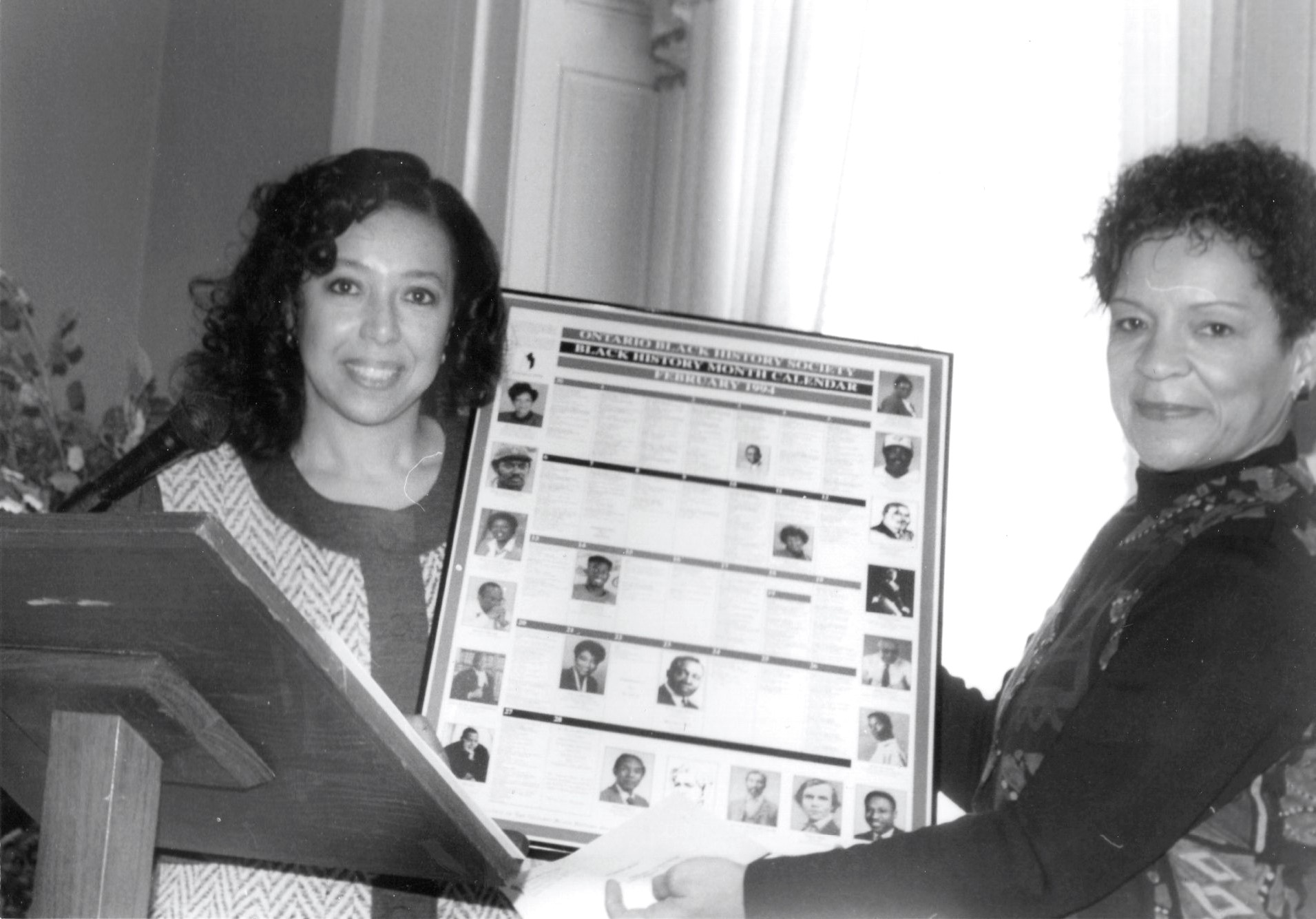
Her commitment to the community paralleled her business drive. “She was a strong supporter of Camp Jumoke, a camp for children with Sickle Cell Anemia. She launched her own charitable organization, the Beverly Mascoll Community Foundation, with a mandate to support people from marginalized groups. She really believed in giving back, more with her time than anything else,” says Eldon.
Mascoll’s best friend and fellow businesswoman, Gloria Shreve, and her daughter Tracy, were there from the beginning, remembering Mascoll’s “first class” fashion shows. “People talked about them forever. She was working with people like designer Winston Kong, and she had the top models from the U.S. and Canada in her shows,” says Shreve.
Her seminars would bring professionals in beauty and hair care from all over. “The same hairdressers that my mom started working with would participate in those seminars years later,” says Eldon.
She was a strong supporter of Camp Jumoke, a camp for children with Sickle Cell Anemia.
She launched her own charitable organization, the Beverly Mascoll Community Foundation, with a mandate to support people from marginalized groups.
Eldon recalls his mother often paraphrasing Thomas Jefferson: “If you want something you’ve never had before, you should be prepared to do something you’ve never done before.”
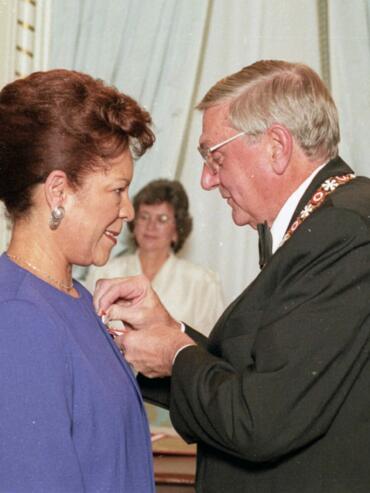
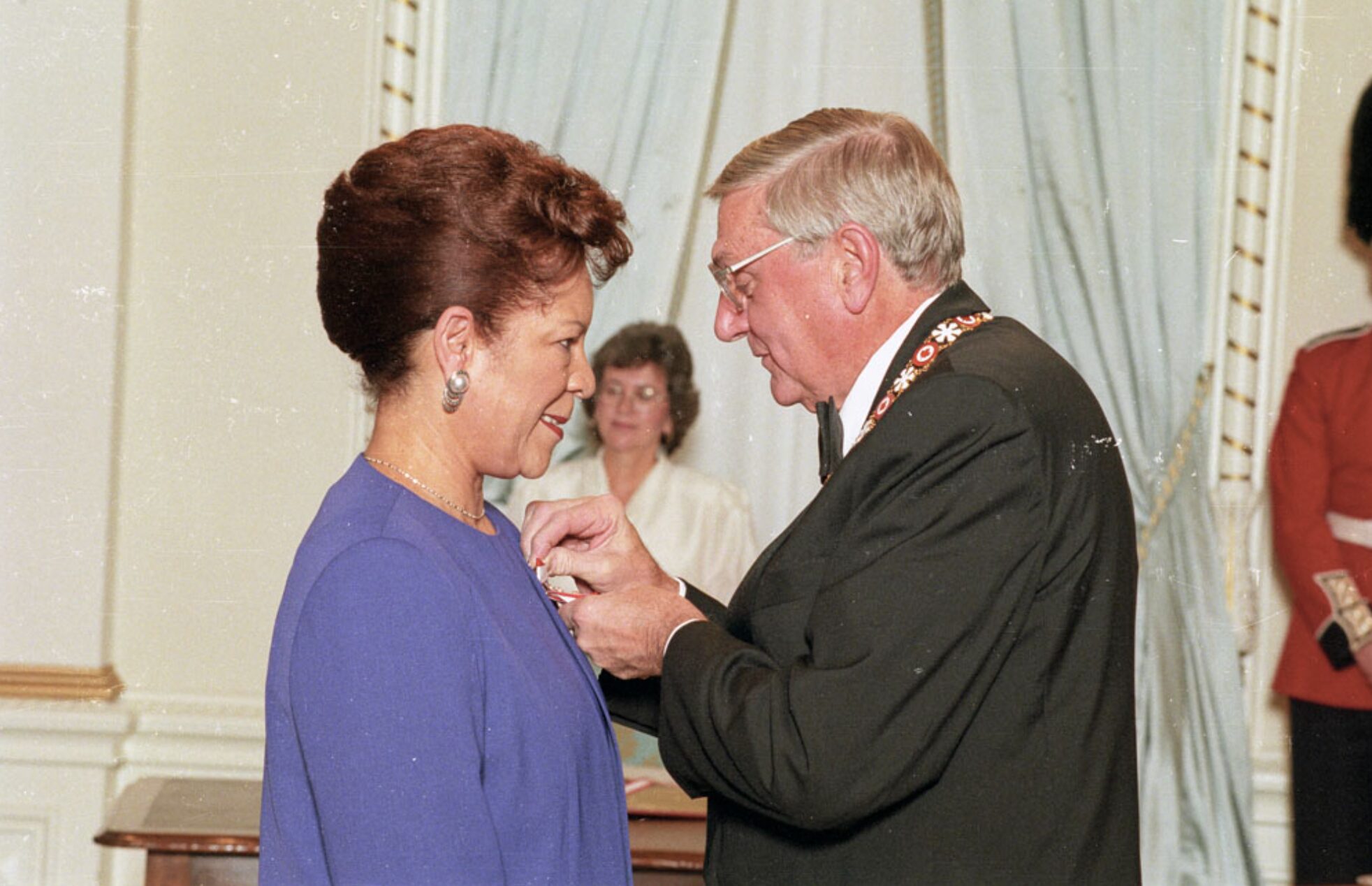
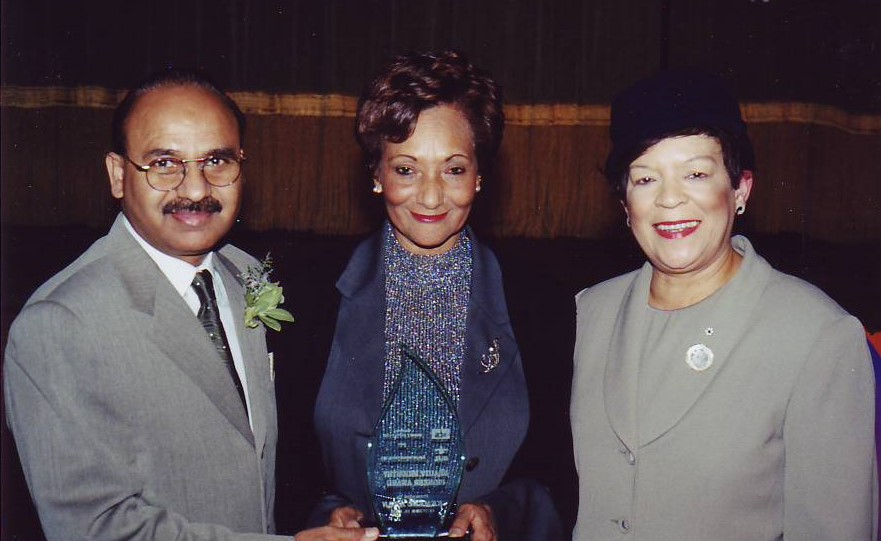
This philosophy defined Mascoll’s process. She knew that women and men in her community couldn’t access products they needed, so she made it her job to do something about it. An astute businesswoman, she created opportunities for herself, building a career recognized with numerous awards, including the Order of Canada in 1998, one of the country’s highest civilian honours.
On May 16, 2001, Mascoll died from breast cancer at the age of 59, at Sunnybrook Hospital in Toronto. The following year, her stores closed, bringing her business to an end.
Despite this, Mascoll’s legacy lives on. She was posthumously awarded an honorary doctorate from Mount Saint Vincent University in Halifax, the very institution where her grandmother, Martha Ashe, once worked as a cleaner, often bringing Mascoll along during her childhood.
Outside the Bathurst subway station in Toronto is a plaque from Heritage Canada, in memory and honour of Mascoll and the legacy she created. Eager to build something meaningful, Mascoll became an inspirational example of success and determination for many.
References and related links:
- https://www.heritagetoronto.org/explore/beverly-mascoll-beauty-business/
- https://thecanadianencyclopedia.ca/en/article/beverly-mascoll
- https://www.skillscompetencescanada.com/en/beverly-mascoll-shares-how-adaptability-allowed-her-to-build-to-a-multi-million-dollar-com
- https://www.youtube.com/watch?v=e0lGtcMqCD0