

 Close
Close
Jones’ story is not one of overnight success but of dedication and quiet persistence.

October 2025
Month 20xx
Annelie Sophie Von Holtum and Meghan Decan
Charmaine Gooden
Jacob Marion
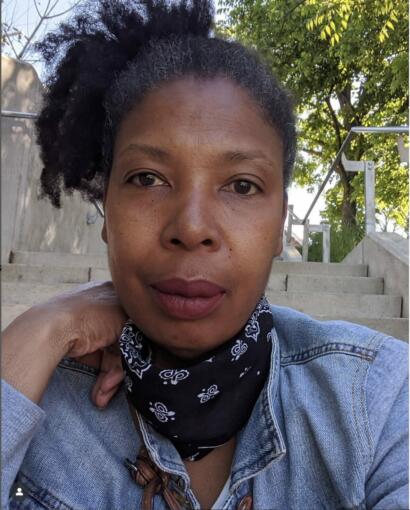
To be a Black woman working in the Canadian fashion industry, without a road map and no one like yourself to look up to, can feel like navigating a maze with no guide and no guarantees. Alarice Jones decided to follow her passions and walk that road anyway.
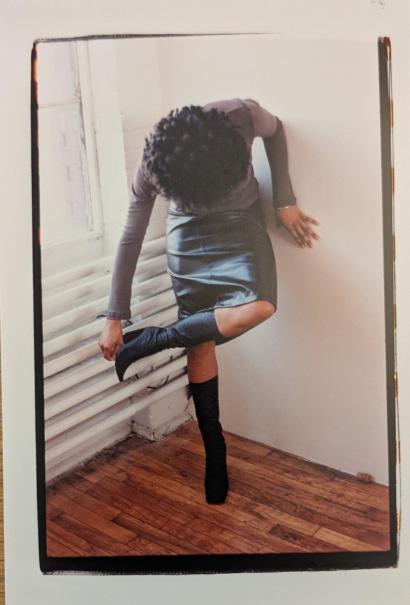
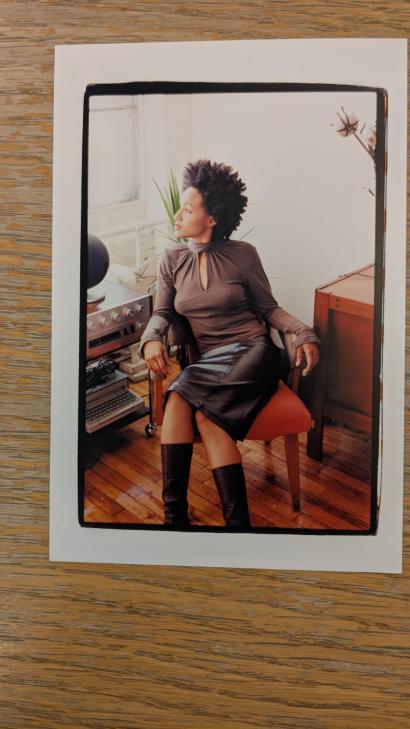
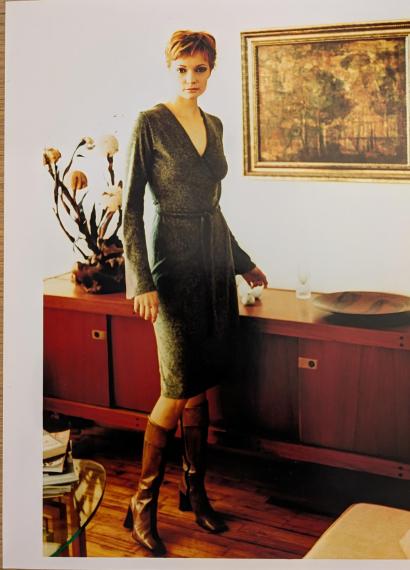
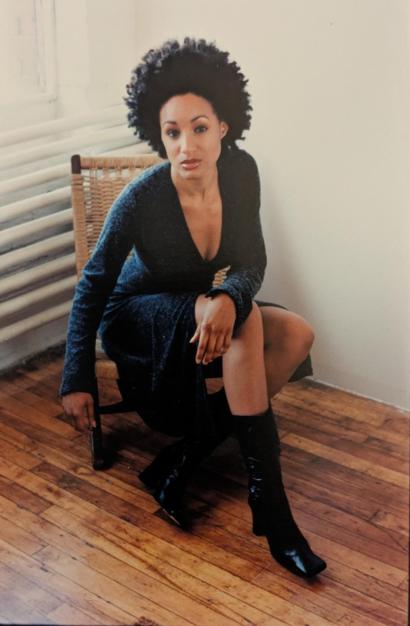
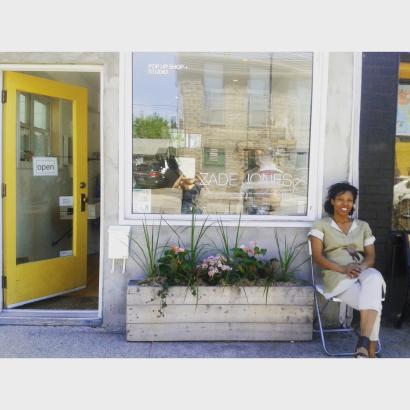
With over three decades in the industry, Jones has worn many hats: retailer, designer, apparel buyer, entrepreneur, visual merchandiser and mentor. Her creative fingerprints helped to establish two original Canadian labels, Sim & Jones, a collaborative lifestyle brand born in the mid-1990s and Zade Jones Studio, her current endeavour.
Jones’ story is not one of overnight success, but dedication and quiet persistence. She gradually gained experience working her way up the corporate fashion ranks and building supportive business partnerships. In fashion, where the loudest voices often get the spotlight, she is proof that quiet strength can be just as powerful.
Through every collection she designed, store opened and runway show she produced, Jones helped to illustrate the possibilities for Black women in fashion, even when there was no blueprint.
Born in Nassau, Bahamas, Jones moved to Toronto with her family when she was six years old. The eldest daughter of three children, she was raised in a household with determined, young, progressive parents. Her mother, a sharp, stylish woman who worked in the travel tourism industry, brought a sense of effortless elegance to her everyday style. What truly amazed Jones was that her mother managed to juggle raising three children while pursuing a professional career that often involved travel.
From a young age, Jones inherited her mother’s sense of style and the pride associated with dressing up. This early inspiration later ignited her passion to empower other Black women through fashion. “We come from a culture, particularly among the Black community, where style often signalled identity and stature,” she explains.
At 16, she started working after school at BEDO’s Toronto location, a Montreal-based private label retailer. From there, Jones moved on to Holt Renfrew, one of Canada’s most prestigious fashion retailers, where she stayed for nearly a decade. Starting in luxury leather goods, she quickly got promoted to an assistant manager. She led designer departments from Donna Karan to Jean Paul Gaultier, Moschino and Calvin Klein. “Being at Holt’s taught me a lot about quality and different brands’ offerings,” Jones reflects. She even balanced work with study at Seneca College’s fashion merchandising program.
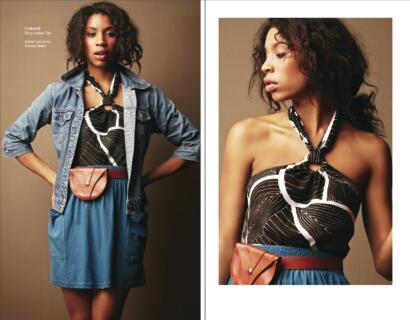
This special section creates a spread of 2 photos that will jut out into the side margin.
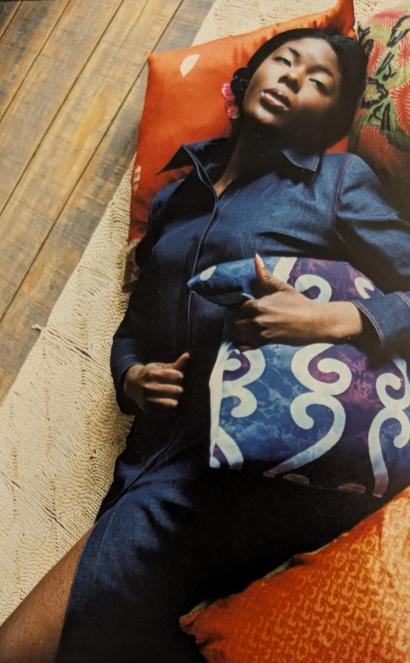
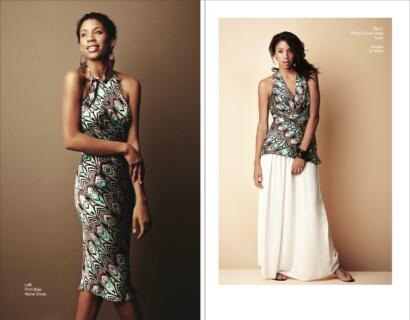
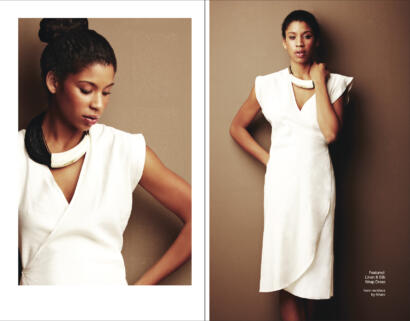
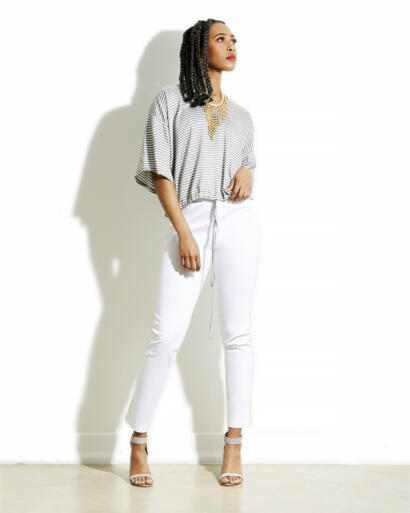
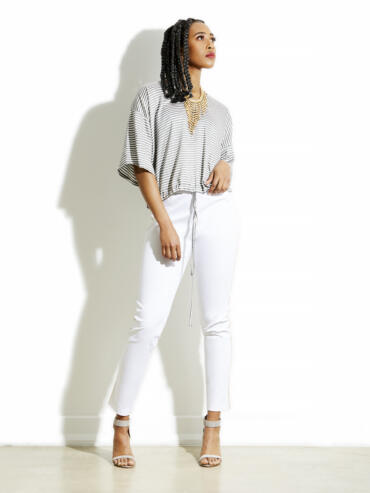
With Zade Jones Studio, she honed in on elevated separates and dresses, focusing on pieces that offer a relaxed, minimal approach to style that lasts a lifetime.
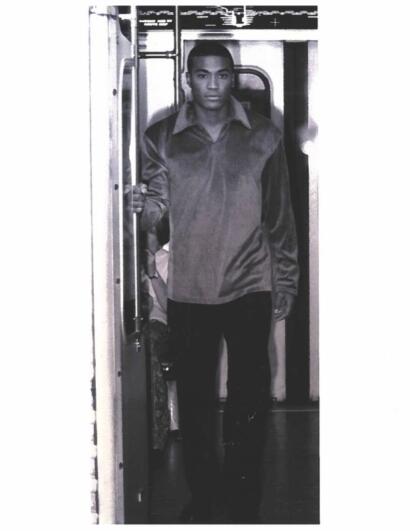
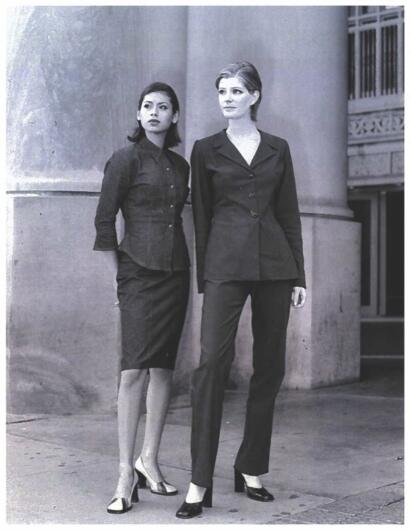
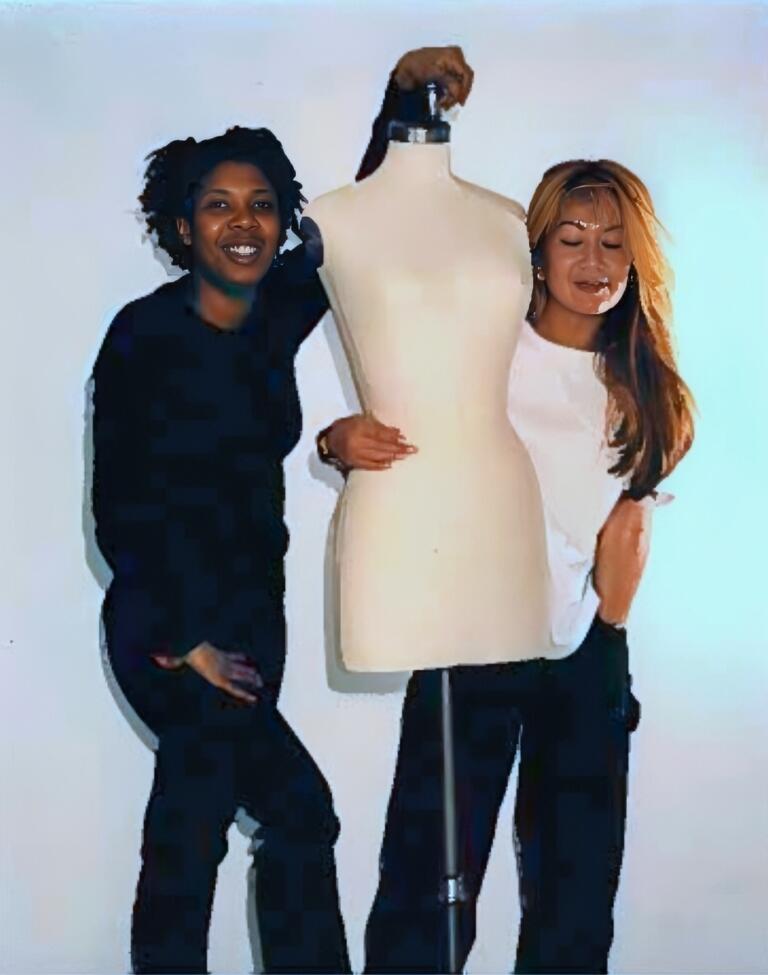
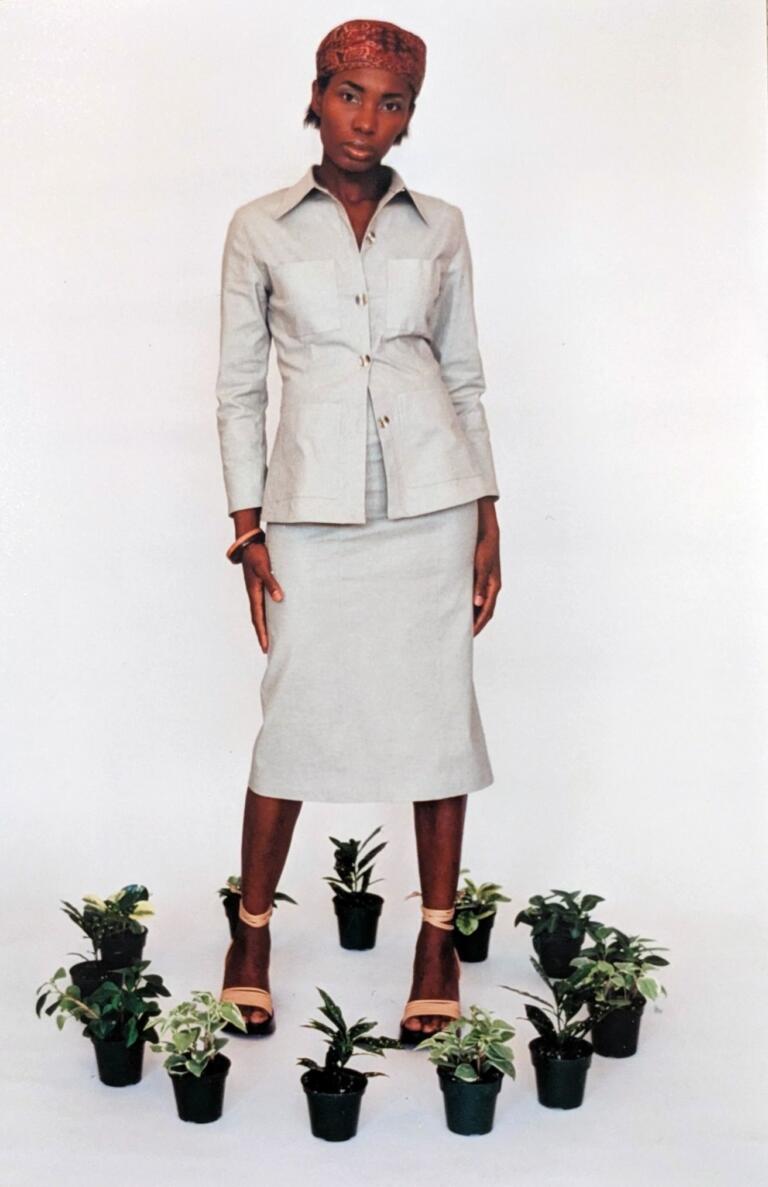
In 1995, Jones took a major career leap. Alongside her then-partner, designer and childhood friend Pui Sim, she co-founded Sim & Jones, a contemporary fashion line with a minimalist design aesthetic. Selling for the first five years through wholesale and consignment to a dozen retail boutiques across Canada, the duo also produced two seasonal fashion shows and pop-ups each year.
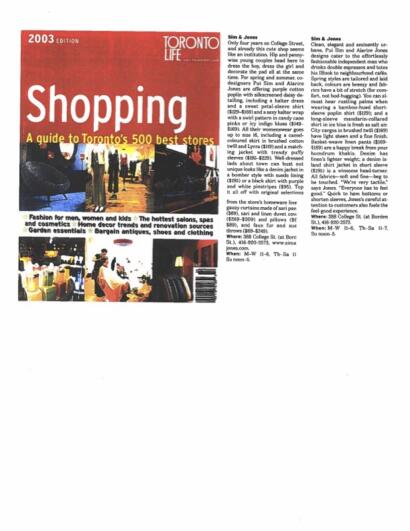
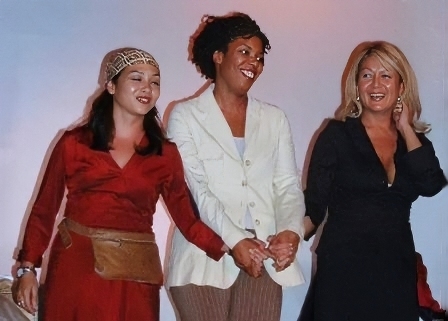
By 2000, their success culminated in the opening of a flagship lifestyle store on College Street, offering sleek womenswear, progressive menswear and even introducing home accessories. A third partner, Marlisa Budihardjo, also joined the team and launched the designs for the home accessories line. For almost a decade, the tight-knit team at Sim & Jones thrived, offering a refreshing, inclusive perspective on Canadian fashion while building a loyal and supportive community. In 2005, the store and the brand came to an end.
Jones took a buying position overseas before returning to Toronto with a renewed sense of purpose. In 2013, she launched her current label and business, Zade Jones Studio. Named in tribute to her maternal aunt Sheryl Zade, one of her first female role models, who passed at a young age.
Where Sim & Jones introduced a vision, this new line gave Jones free rein to refine it. With Zade Jones Studio, she honed in on elevated separates and dresses, focusing on pieces that offer a relaxed, minimal approach to style that lasts a lifetime. “I like women to feel that ease and effortlessness fashion can be,” Jones says. “Every time I sit down to think about a collection, I ask, ‘How will a woman feel in this piece?’”
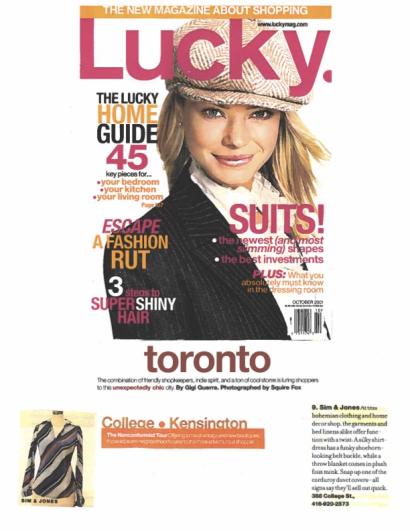
Her designs, from Sim & Jones and Zade Jones Studio, have been featured twice at Toronto Fashion Week, broadcast on Fashion Television hosted by Jeanne Beker and styled for hosts and personalities across Canadian media. There’s also been Flare-sponsored runway shows and coverage in Lucky Magazine, The Toronto Star and The Globe and Mail.
For Jones, entering the fashion industry as a Black woman, especially during her early years in corporate fashion, the challenge was simply being acknowledged, seen and recognized.
To this day, Jones reflects back on Sim & Jones with fond memories. Alongside her partners, also both women of colour, she accomplished something unique. They followed their instincts, pooled their know-how, and in time were rooted in a rich, vibrant, inclusive and diverse community.
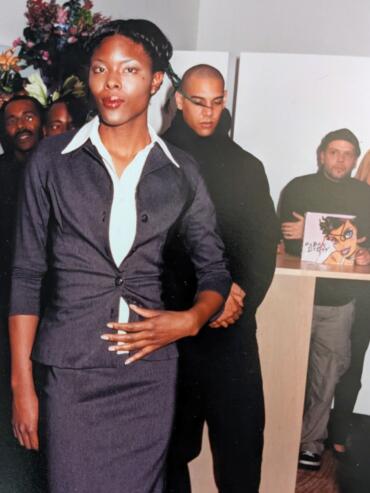
Jones, also responsible for most of the marketing and seasonal events, often cast customers, alongside real models, in their fashion shows. She featured older models, curvy women and women of all shades. It wasn’t just part of her aesthetic; it was Jones’ mission. She believed that fashion should reflect and encourage diverse forms of beauty.
Of course, not everyone understood Jones’ perspective. “In the early days of Zade Jones, she recalls being told by a fellow business owner, “Just put a tall blonde woman in your store, and you’ll succeed.” The suggestion implied that her presence would naturally draw more business instead of Jones being visible and working at her own store.
Although she feels they were genuinely well-meaning, sadly, there were still a lot of people in fashion who thought this way during the early 2010s. Despite this, Jones understood the importance of continuing to create inclusion and celebrate all forms of beauty, especially the underrepresented.
Veronica Sytash, longtime customer and friend, says she wishes Jones received more recognition, “I really wish someone would start tooting her horn for her. She doesn’t boast, and she should.” Sytash notes Jones’ quiet and humble nature. “She’s not flashy or loud or the kind of business person who’s going to go out and market herself.”
Through every venture, from Sim & Jones to Zade Jones Studio, Jones’ goal has remained the same: to design clothing that empowers. “I love how clothing can affirm and draw out someone’s inner beauty. When I start designing, I’m always asking, ‘how will the woman feel in this piece?’” she says.
In fashion, where the loudest voices often get the spotlight, she is proof that quiet strength can be just as powerful.
And perhaps her greatest legacy is just that: showing what’s possible. Despite the systemic barriers she faced during her career, Jones can look back and say she contributed to building something rare twice! She didn’t crash into fashion with headlines and hype; she built a foundation, brick by brick, stayed grounded and focused.
Jones is part of a lineage of Black Canadian designers who created something where there was nothing, who stitched together careers without blueprints, mentors or applause. Through her ongoing work at Zade Jones Studio, she continues to design and serve women with care and intention while remaining committed to expanding the visibility of Black women and women of colour in fashion.