


 Close
Close
Local Scarborough fame led to global fashion acclaim.

June 2024
Month 20xx
Marc Malig and Gabriela Manna
Charmaine Gooden
Jacob Mariion
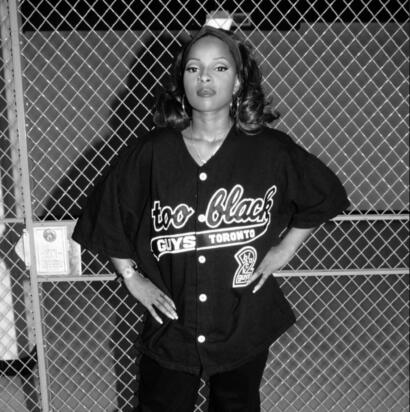
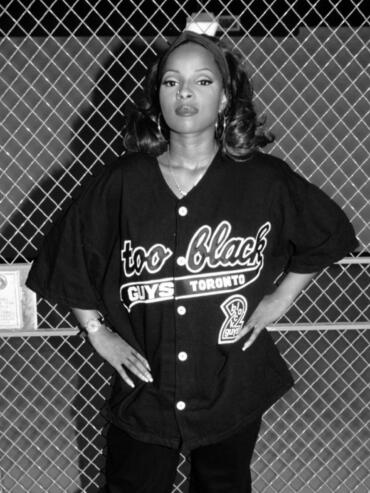
In 1992, Mary J. Blige made a bold statement in her “Real Love” music video when she sported a Too Black Guys (TBG) baseball jersey with “TORONTO” emblazoned on the front. This iconic moment not only paid homage to Toronto’s distinct fashion identity but also thrust Adrian Aitcheson’s brand onto a global stage.
Reflecting on this pivotal event, Aitcheson recalls, “We didn’t orchestrate it as a clever, masterful operation. I believe her stylist purchased the jersey at a store, Triple Five Soul, in New York, where our products were being sold at the time. That’s as much of the story as we’ve pieced together.”
Aitcheson grew up in Scarborough, attending Neil McNeil High School and Dr. Norman Bethune Collegiate Institute. Like many children of immigrants, his parents envisioned him pursuing a career in academia or law.
Initially, he pursued political science before switching to economics, believing it offered a stronger foundation for entrepreneurship and economic empowerment within the community.
While Aitcheson didn’t pursue a career in economics, he learned valuable lessons about maximizing income and entrepreneurial freedom. He was hooked on starting a business that could unite his community and empower local youth.
This special section creates a photo next to a pull-quote
Adrian helped create the vision behind OVO apparel worn by youth of our culture. For the next generation, especially youth of colour, he has demonstrated success and reimagined previously recognized barriers of race.
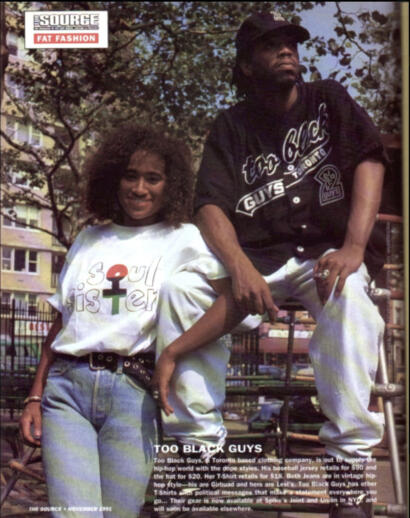
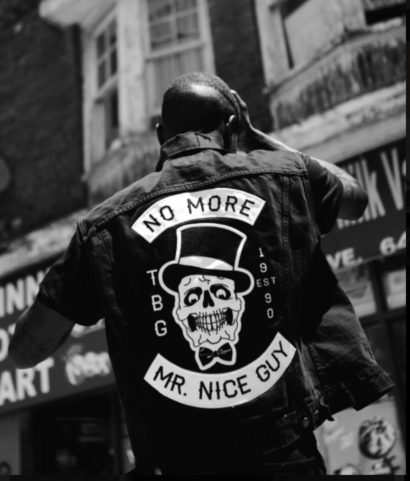
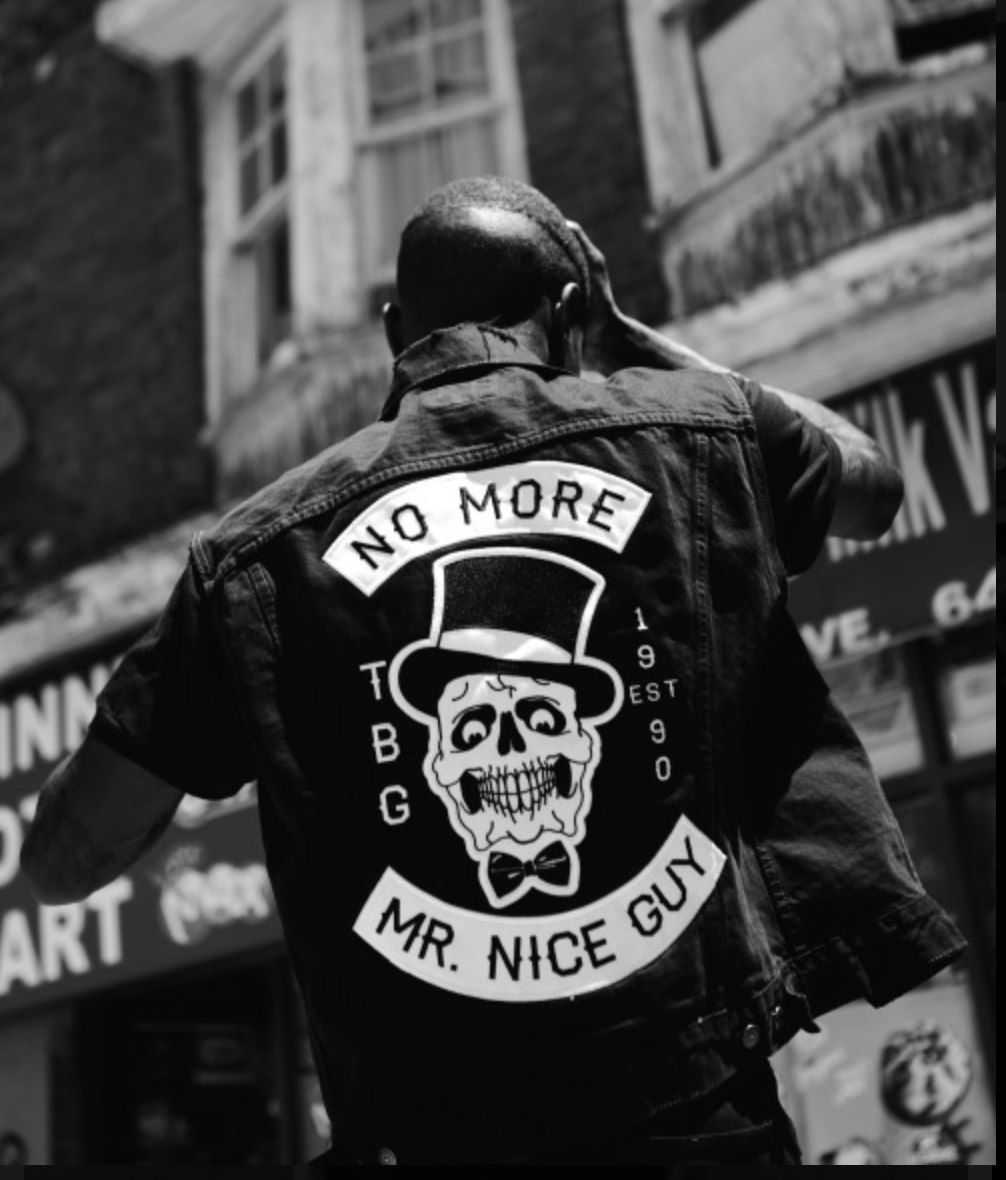
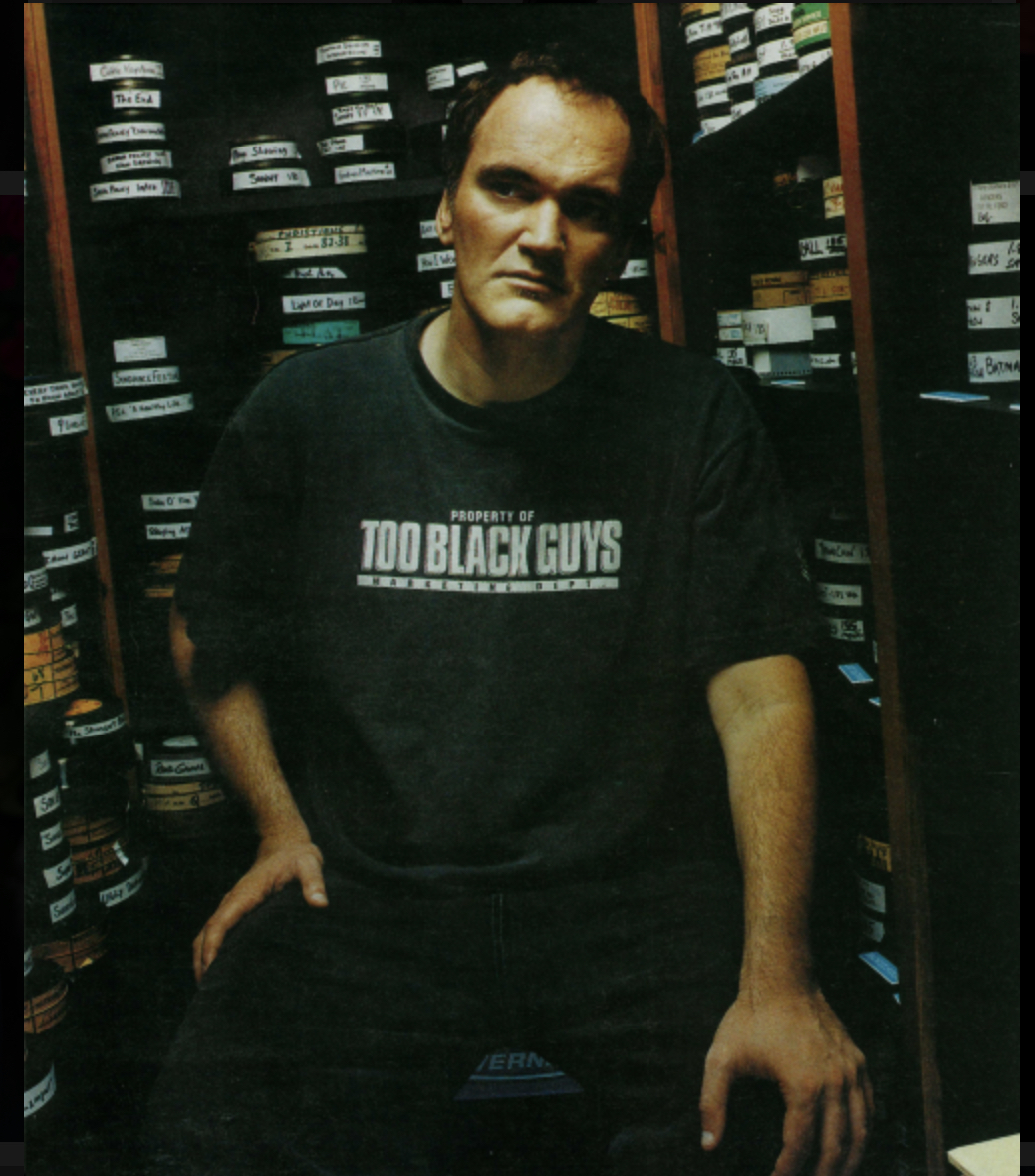
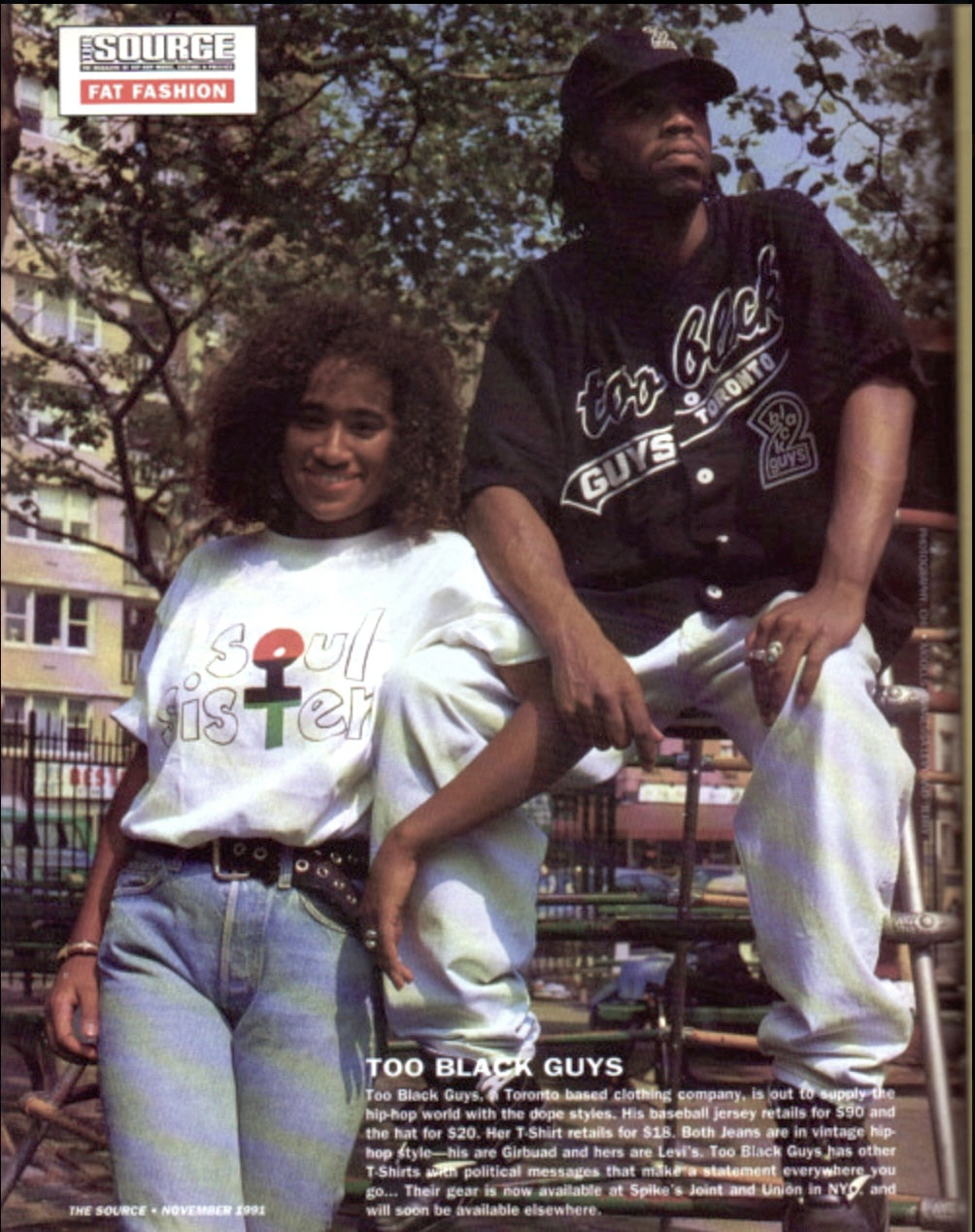
In 1990, Aitcheson and business partners Robert Osborne and Linda Amoroso launched Too Black Guys in the basement of Third World Books, a historic hub of Black literature and art. They started hosting informal “Tupperware Parties,” where invited friends and members of the community would gather, socialize, and model clothing from the TBG brand. Their first collection, featuring custom t-shirts with branded labels quickly set them apart.
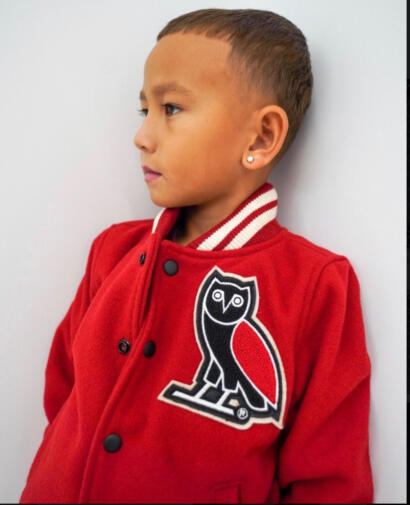
Despite obstacles, Aitcheson persisted, crafting a fashion legacy inspired by Canada. Over time, his portfolio expanded to include collaborations with prominent brands such as Drake’s clothing brand October’s Very Own (OVO), Roots, the Toronto Maple Leafs and the 2010 Canadian Olympic team.
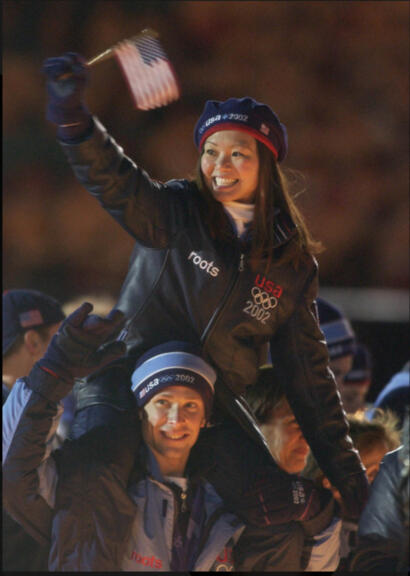
His design for the Canadian Olympic team’s uniforms incorporated toques, parkas, buffalo plaid and hand-knit sweaters. Aitcheson aimed to encapsulate Canadian fashion’s essence, fostering national pride amongst athletes and citizens. He stresses the importance of authentically representing community values in every project he undertakes.
Across all endeavours, Aitcheson is committed to, “uniform-ing his communities,” a principle evident in every business venture and embraced by his collaborators.
“A kid from Scarborough wasn’t supposed to be this guy,” reflects Aitcheson, underscoring his unconventional path to success. “The world wasn’t set up for me to have done the things that I’ve done in Canada.”
The lack of representation in Canada’s fashion industry during his youth fueled Aitcheson’s determination to become a role model for youth of colour.
Aitcheson credits social media for amplifying diversity in creative industries today. Access to the internet and various platforms empowers individuals of all backgrounds to express creativity and build communities.
Establishing a retail store or launching a fashion line like TBG was once prohibitively expensive, but social media has democratized access, enabling instant global reach and connection.
Aitcheson has significantly influenced the Canadian fashion industry. Throughout his career, he has redefined design and broken down barriers that once limited and restricted people of colour working in fashion.
Too Black Guys left a lasting effect on how modern streetwear brands operate. “The hip-hop fashion identity first started with TBG,” states Craig Mannix, Vice President of Black music at Universal Music Canada. He recalls how Aitcheson elevated styles already popular in hip-hop culture. “It’s not just about ordinary t-shirts or sweatshirts,” he explains. “He was all about sourcing good quality fleece, the type of stitching and cutting his own shirts.”
Former OVO logistics coordinator Ralph Noveloso has praise for Aitcheson’s influence on fashion and Canadian youth. “Adrian helped create the vision behind OVO apparel, worn by youth of our culture. For the next generation, especially youth of colour, he has demonstrated success and reimagined previously recognized barriers of race,” he notes.
Aitcheson believes that, “Being the first isn’t enough. You have to wedge the door [open] behind you.” Beyond personal success, his legacy aims to create opportunities for Canadian youth, fostering accessibility, diversity and inclusion for people of colour.

The lack of representation in Canada’s fashion industry during his youth fueled Aitcheson’s determination to become a role model for youth of colour.