 Close
Close
Cette célèbre mannequin, personnalité médiatique, actrice et productrice est connue pour être une pionnière et une précurseur dans l'industrie de la mode.
juin 2022
Mois 20xx
Alexandra Clelland and Felecia Francis
Charmaine Gooden
Carol Martin
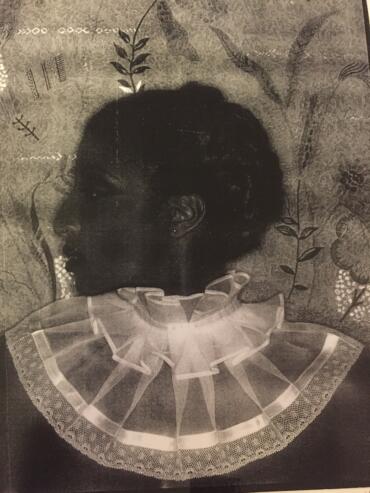
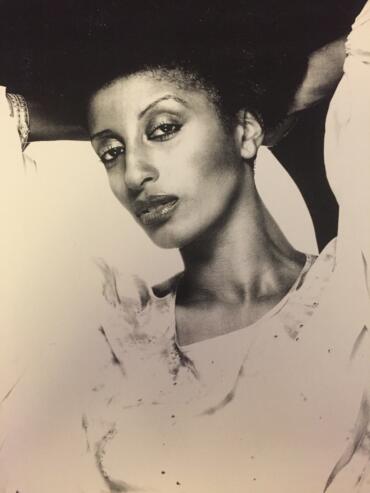
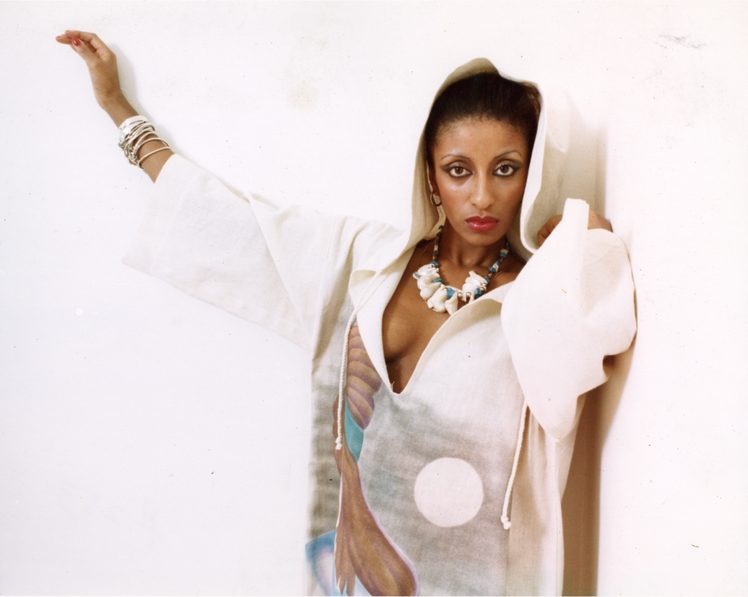
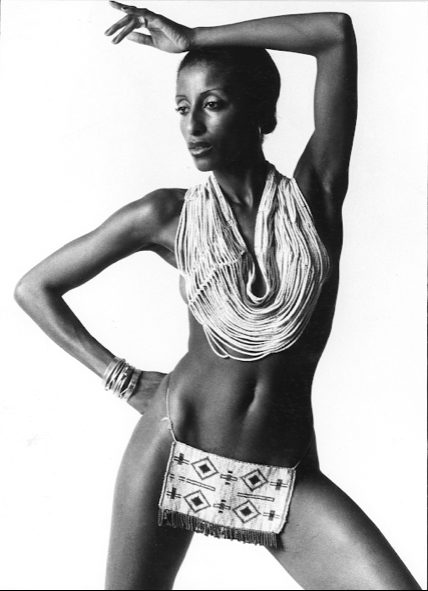
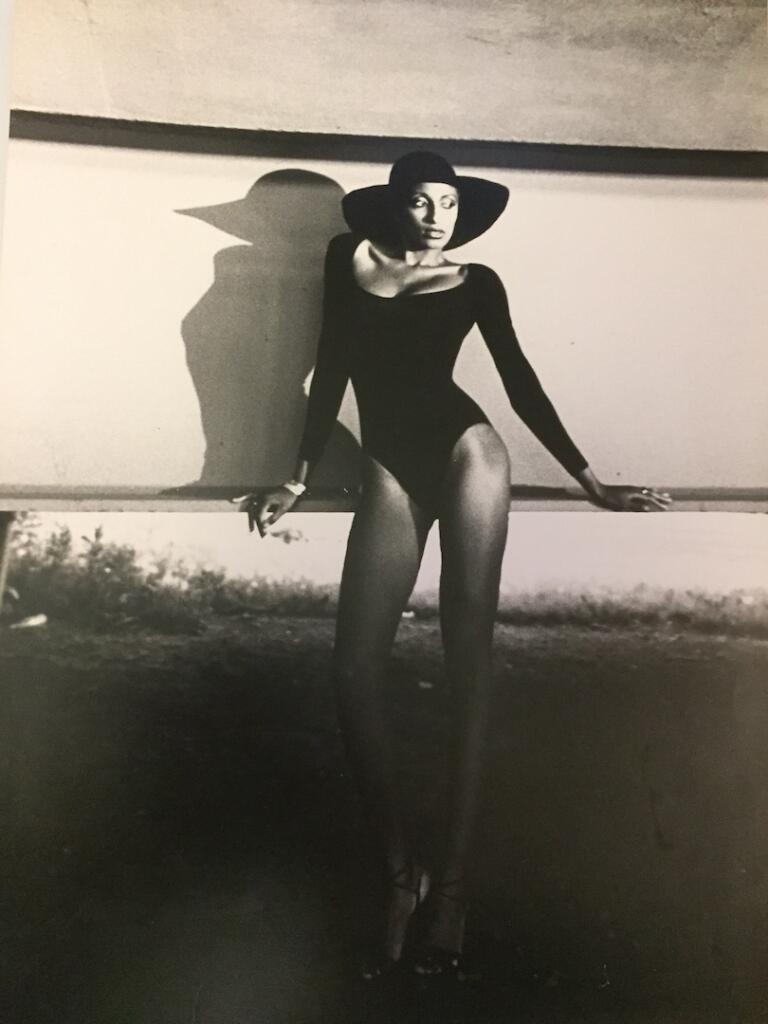
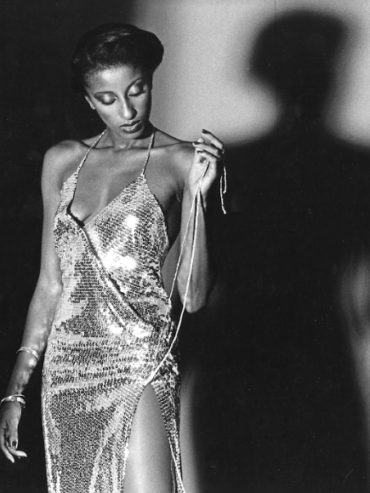
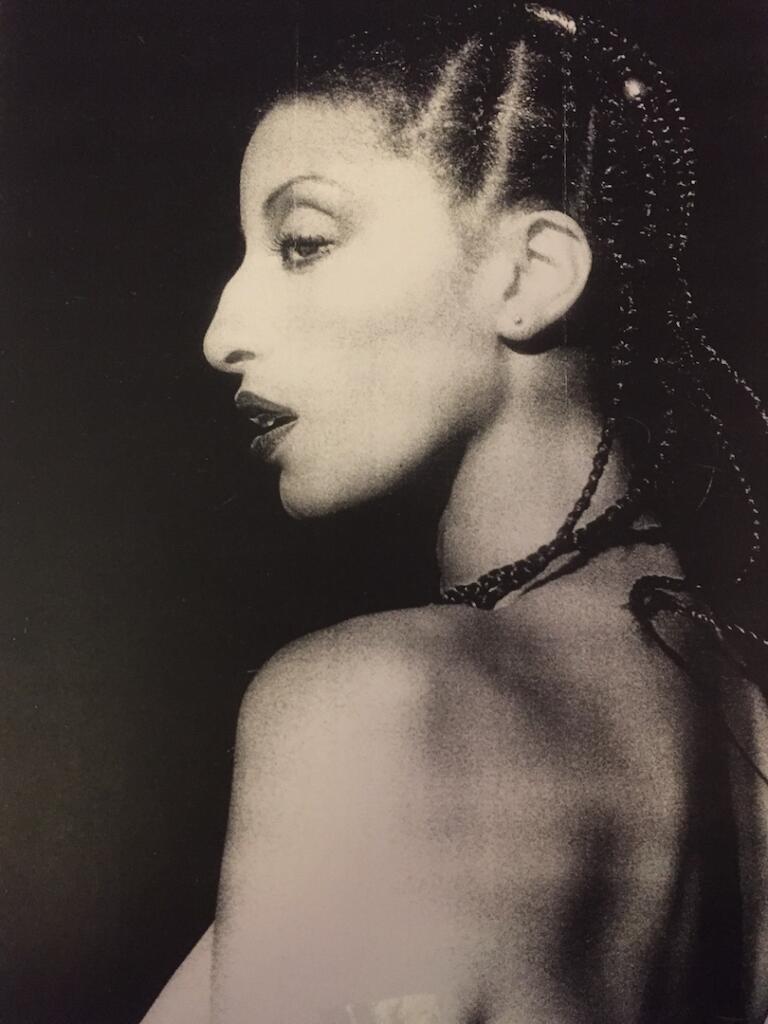
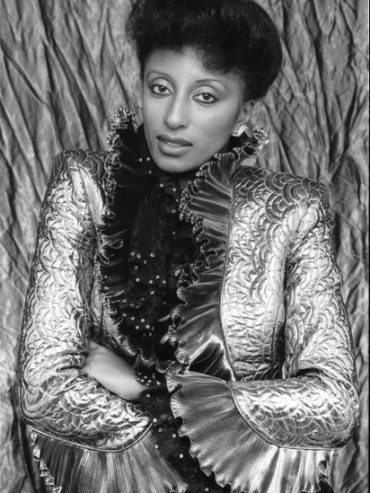
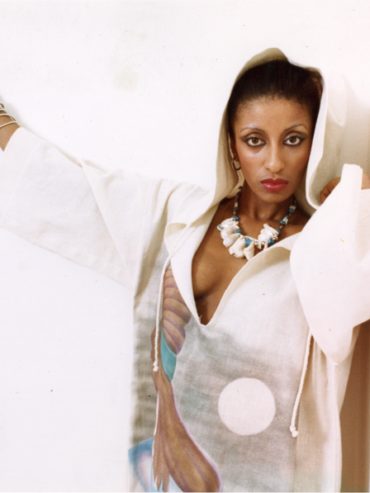
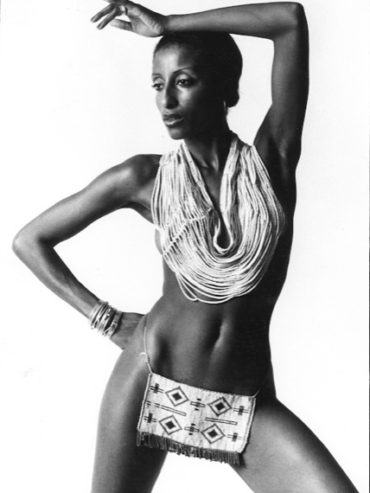
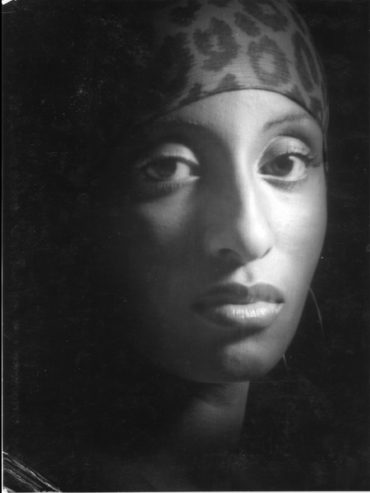
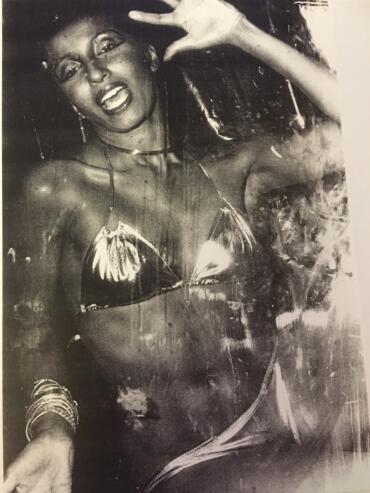
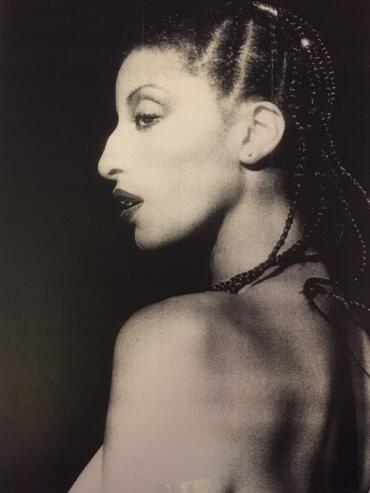
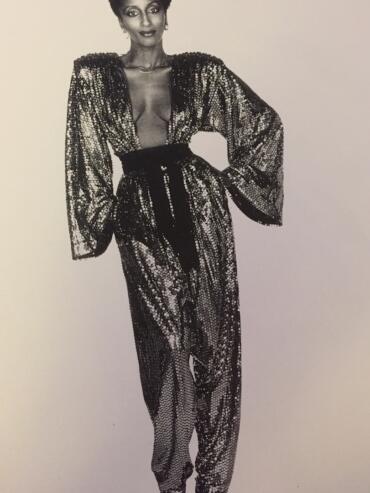
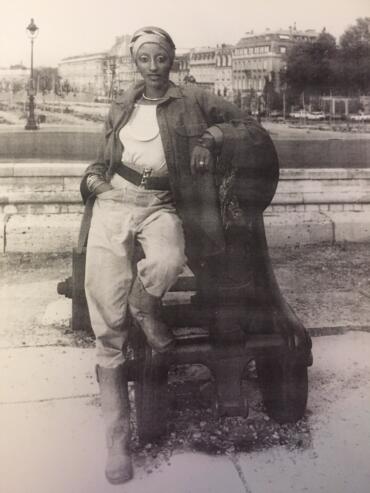
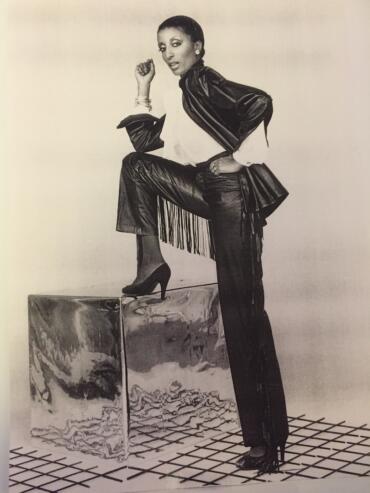
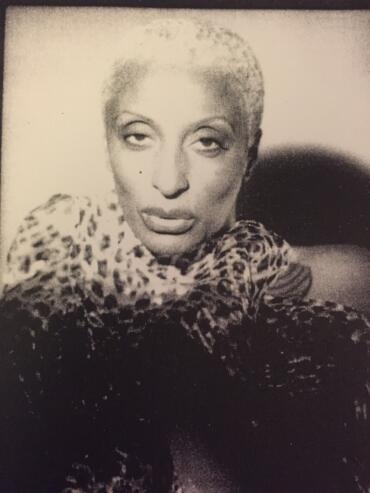
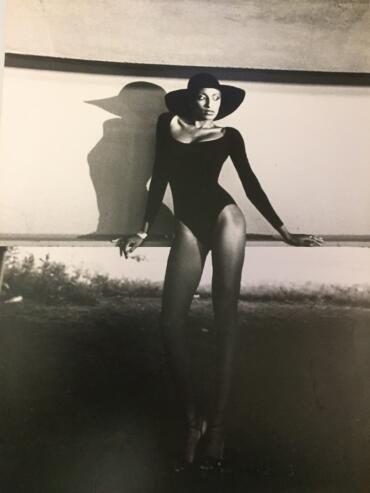
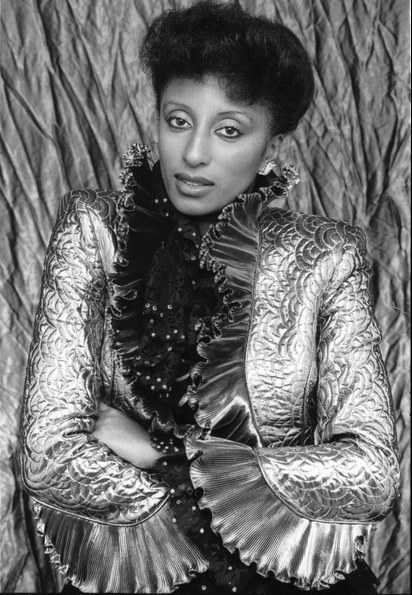
Linda V. Carter is a renowned fashion model, media personality, actor and producer from Toronto, known for being a trendsetter and trailblazer in the fashion industry.
Her modelling career took her across the globe working for brands such as Saint Laurent, Gucci, Giorgio Armani and Givenchy, in France, Italy, and the United Kingdom.
Carter says her travels allowed her to develop a deeper understanding of culture and trends in the fashion world, through networking and experiencing the world beyond Canadian borders. She also has an impressive resume in television and film, including doing work in commercials, voiceovers and TV hosting.
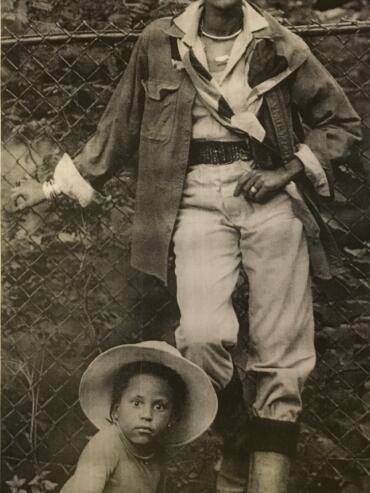
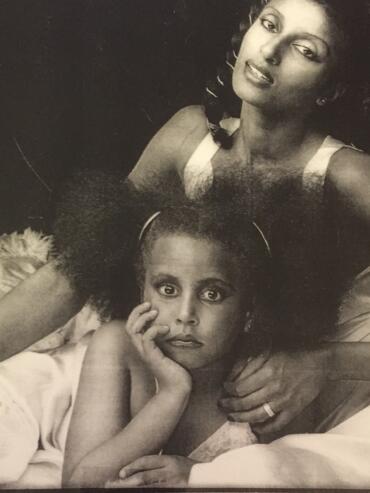
Linda Violet Carter was born in Toronto, Ontario, the eldest of four children — two younger brothers and a sister — to The Honourable Justice George E. Carter.
Her fashion career began as a teenager. She credits her family and heritage for her interest in fashion and design, looking at what her mother and grandmother were admiring, the materials, patterns and designs of the clothing they wore when she was growing up.
Carter is known for being a trailblazer among Black women in the early part of her modelling career, when Black women were not represented or welcomed in the fashion world.
During the 1960s, Carter says that there were no women of colour in catalogues or on the runways, but through the work done by her and other Black models, she began to get more work by the 1970s.
Carter is variously described as an “extraordinary talent,” a beauty and personality that is “so real,” a diverse presence on film and a trailblazer, by people who have worked with her and who have adored her work throughout the years.
You were not even thought of for catalogues. From the ’60s onto the mid-’80s… women of colour were not considered for catalogue work.
“You were not even thought of for catalogues,” Carter explains. “That was the bread and butter of most of the modelling choices from the ’60s on to the mid ’80s, but women of colour were not considered for catalogue work during those periods. So when I was trying to do any kind of modelling, I had to do the modelling that was available to me, but we were excluded. Black models were excluded.”
Since then, Carter says the door for women of colour in the modelling industry has slowly been opening up. To the many Black models who are starting out, her best advice is for them to be themselves in every way. “Just do your thing,” she says. “Just be you because nobody else can be you. Do your designs and do the best you can.”
And, as the industry becomes more diverse in terms of who is now modelling, the types of clothing available year-round and more sustainability, Carter is proud of her contribution and impact she has made, especially on those who have come to admire her and view her as a role model.
Cette section spéciale crée un espace de deux photos qui débordent sur la marge latérale.
When asked about the proudest moment of her illustrious career, Carter explains that creating a documentary about her father was an incredible highlight that allowed her to share and celebrate her Canadian, West Indian and African heritage.
The Making of a Judge, a film directed and narrated by Carter, tells the story of her father, The Honourable Justice George E. Carter, and his journey to become the first Canadian-born Black judges in the country. The documentary received several awards, including selections from the San Francisco Black Film Festival and the Roxbury International Film Festival.
Carter believes that her longevity, resilience and endurance have been major contributions to the industry. She is most proud of “opening the door for young Black women who wanted to be in the fashion industry.”
Carter discusses her work as a TV host, and how her presence on camera gave many people hope. “Just speaking to young people who wanted to get into the fashion industry and had seen me on my show, called Black World I think that meant a lot for people to see somebody who looked like them was on TV.”
For Carter, there are many more milestones yet to achieve in her life, and she cannot wait to see what’s to come.
Aucun poste n'a été trouvé !
Aucun poste n'a été trouvé !