

 Close
Close
Dans les années 1940, une journée au théâtre transforma cette entrepreneure du spectacle en militante pour les droits civiques.
Octobre 2026
Mois 20xx
Hajir Butt
Charmaine Gooden
Jacob Marion
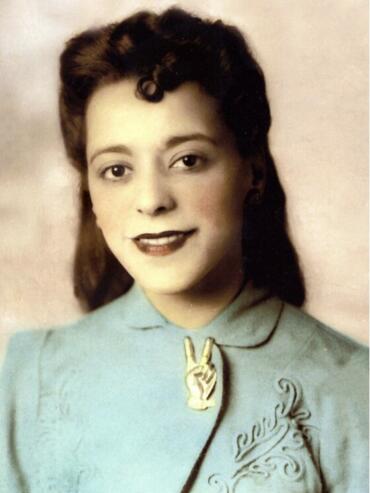
Dans la nuit du 8 novembre 1946, Viola Desmond, esthéticienne et entrepreneuse, se rendait en voiture livrer ses produits de beauté à des salons de coiffure des environs de New Glasgow, en Nouvelle-Écosse. Fabriqués par Desmond elle-même, ces produits constituaient sa solution concrète à une lacune flagrante dans les soins professionnels capillaires, cutanés et esthétiques destinés aux femmes noires au Canada. Ce soir-là, sa voiture tomba en panne et, pour passer le temps, elle se rendit au cinéma local.
Ce que nous savons de cette même nuit, c’est que Desmond a refusé de quitter la place réservée aux “ Blancs ” qu’elle avait choisie au parterre du théâtre, défiant ainsi les politiques de ségrégation raciste et s’opposant à l’injustice. Cependant, ce n’était pas la première prise de position ni le premier geste d’engagement de Desmond envers sa communauté. Bien avant cet acte de courage commis cette nuit-là, Desmond était déjà une figure du changement, pionnière et révolutionnaire dans le domaine des soins capillaires et de beauté destinés aux personnes noires au Canada.
Desmond est née en 1914 à Halifax, en Nouvelle-Écosse, au sein d'une grande famille métissée, où elle était l'une des onze enfants. Son père, James Albert Davis, était un Canadien d'origine africaine, et sa mère, Gwendolin Irene Davis, était la fille d'un pasteur baptiste blanc.
Dans l'ouvrage de Cheryl Thompson consacré à l'histoire de la beauté des Noirs au Canada, Beauté dans une boîte : défriser les racines de la beauté noire du Canada, Thompson montre que Desmond a baigné dès son plus jeune âge dans l'univers de l'entrepreneuriat. Son grand-père, coiffeur, avait fondé le salon “ Davis Barber Shop ” dans le quartier du North End à Halifax. « Desmond était destiné à devenir entrepreneur », écrit Thompson.
La sœur de Desmond, Wanda Robson, écrit dans ses mémoires, Soeur de Courage, que Desmond a puisé son inspiration en découvrant l'histoire de Madame C.J. Walker, une philanthrope et entrepreneuse du secteur de la beauté aux États-Unis. Déterminée à suivre une voie similaire, Desmond s'est lancée dans une quête pour devenir la nouvelle Walker.
Ce parcours n’a pas été sans difficultés. Halifax était une ville marquée par une forte ségrégation, fondée sur le racisme et la discrimination institutionnalisés. La ségrégation dans les écoles, les théâtres et autres lieux publics était monnaie courante, et l’accès à l’emploi était restreint pour les communautés noires. Selon le Musée canadien des droits de la personne, les écoles d’esthétique de Nouvelle-Écosse ont refusé l’accès à Desmond en raison de son origine ethnique.
Cela ne l'a toutefois pas découragée. Elle s'est rendue à Montréal, au Québec, et a intégré la Field Beauty Culture School, un petit établissement situé rue Saint-Antoine. C'était l'une des rares écoles de beauté canadiennes à accepter des candidates noires.
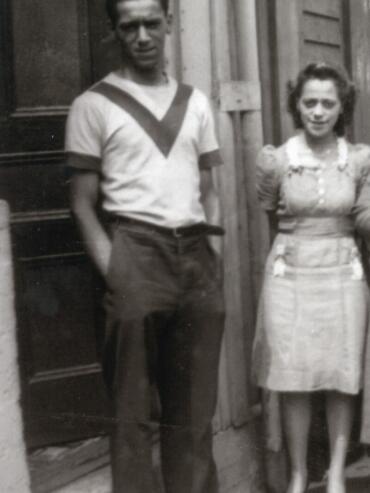
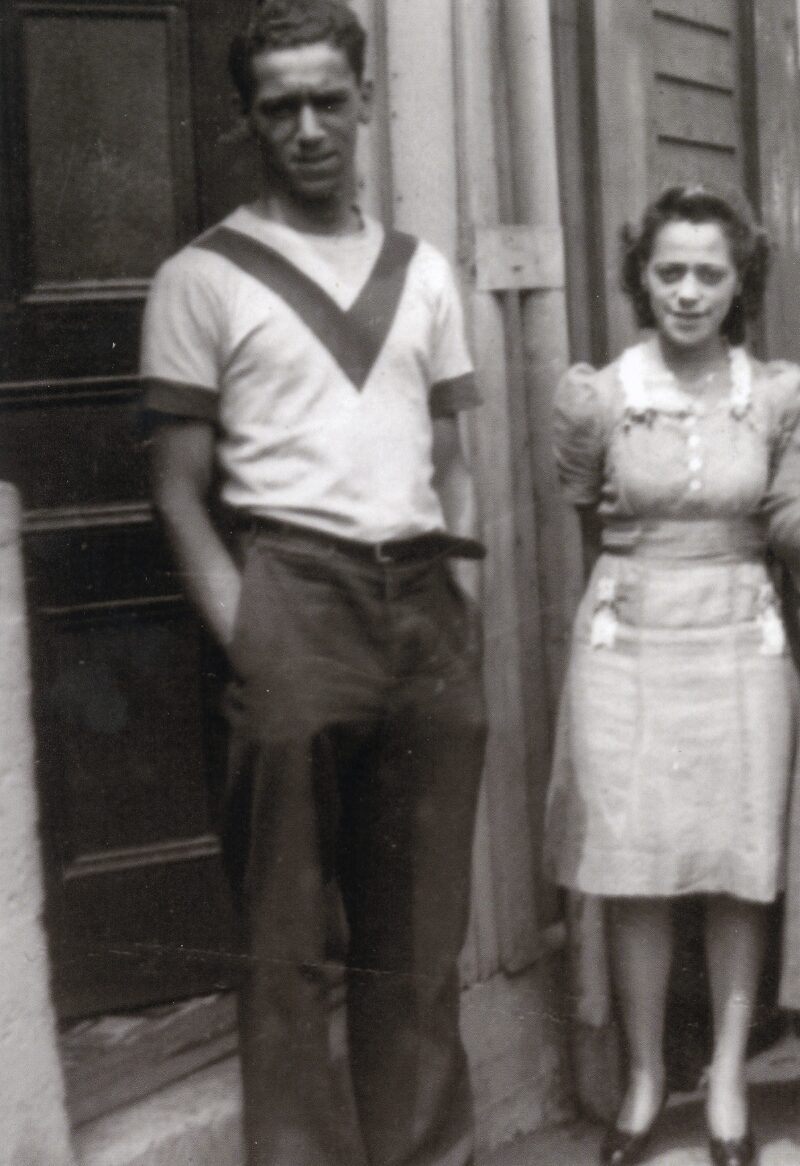
C'est à cette époque que Desmond a rencontré son mari, John “ Jack ” Gordon Desmond. Né à New Glasgow, il était propriétaire du “ Jack’s Barber Shop ”, le premier salon de coiffure détenu par une personne noire et enregistré, situé au 136, rue Gottingen. Jack était surnommé le « roi de la rue Gottingen », où il a tenu son salon de 1932 jusqu’à la fin des années 1950, selon The Signal, un journal étudiant de Halifax.
Desmond a poursuivi ses études à l'Apex College of Beauty Culture de Mme Sara Spencer Washington, à Atlantic City. En 1941, elle a obtenu son diplôme à l'Advanced Hairstyling Studio de New York, validant ainsi officiellement sa formation et ses compétences dans ce domaine.
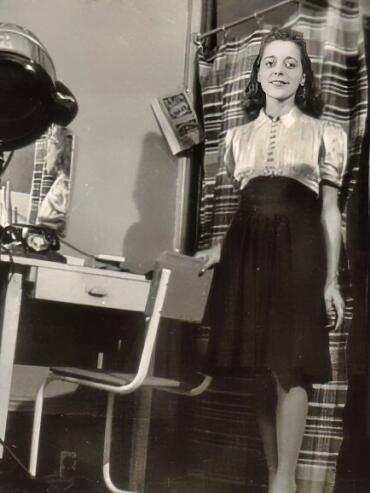
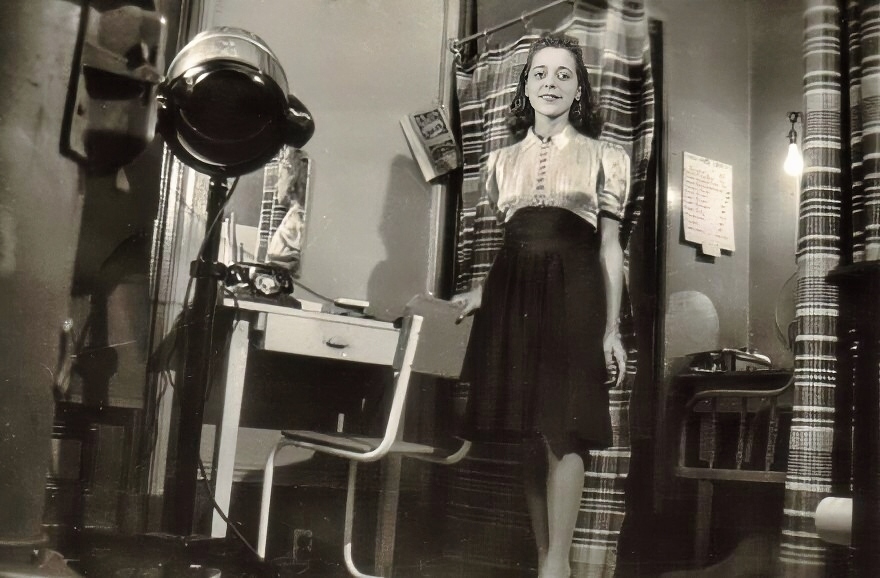
Parallèlement à ses études, en 1937, Desmond ouvrit le « Vi’s Studio of Beauty Culture », situé à proximité de l’entreprise de son mari. Ses clientes étaient des femmes qui allaient plus tard devenir des figures importantes au sein de leurs communautés. Parmi ses clientes figuraient Portia White, la première chanteuse d'opéra noire canadienne, et Gwen Jenkins, la première infirmière noire de Nouvelle-Écosse. Le salon de Desmond devint un lieu incontournable où les femmes pouvaient se faire remarquer et prendre soin d'elles.
Si le racisme n'avait pas mis un frein à l'activité de Viola Desmond dans le secteur de la beauté, au lieu de la comparer à Rosa Parks, nous nous souviendrions peut-être d'elle comme d'une C.J. Walker canadienne.
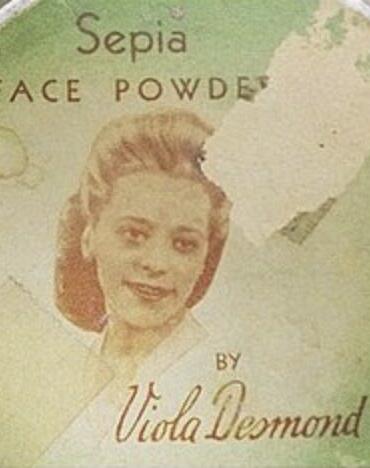
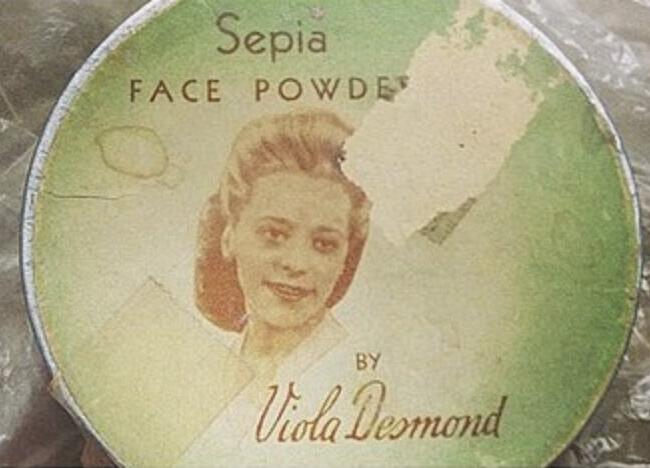
Elle s'est lancée dans la création de produits capillaires et de maquillage spécialement conçus pour les femmes noires avec sa propre marque de beauté, Vi’s Beauty. Dans une interview accordée au Musée canadien de l'histoire, sa sœur Robson explique comment Desmond mélangeait des poudres pour obtenir la teinte parfaite adaptée à différents types de peau.
« Elle a apposé son nom sur les vitrines, puis elle l’a apposé sur ses produits, tout comme Madame C.J. Walker », écrit Thompson, citant Robson. La gamme de produits de beauté de Desmond, « Sepia Beauty Products », était présentée comme « spécialement formulée pour mettre en valeur les teints foncés ».
La gamme de produits capillaires de Desmond comprenait des shampoings, des produits coiffants ‘ press-and-curl ’, des lisseurs, des chignons, des postiches et des perruques, ainsi que la « sepomade », un produit coiffant pour hommes issu de sa marque « Sepia ». Thompson écrit que Desmond elle-même était décrite comme « élégamment coiffée, habillée à la mode, les ongles et les cheveux toujours soignés avec le plus grand soin ».”
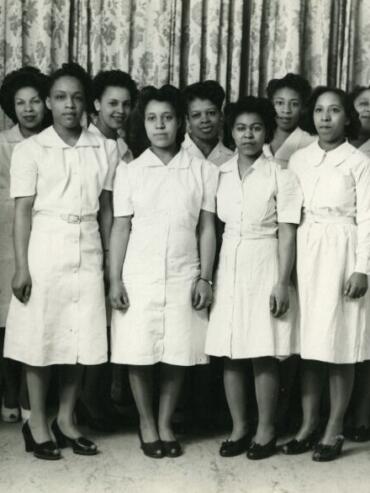
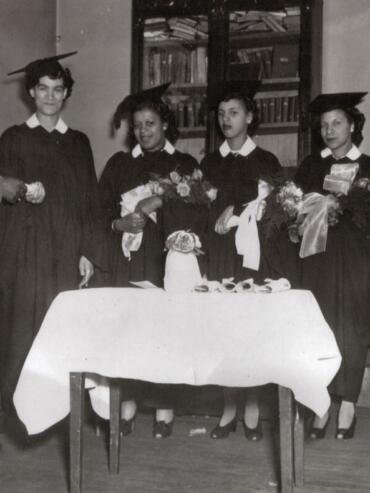
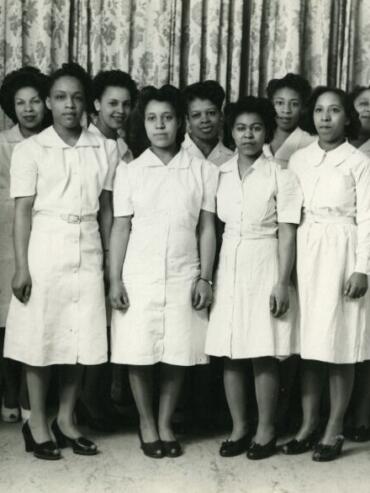
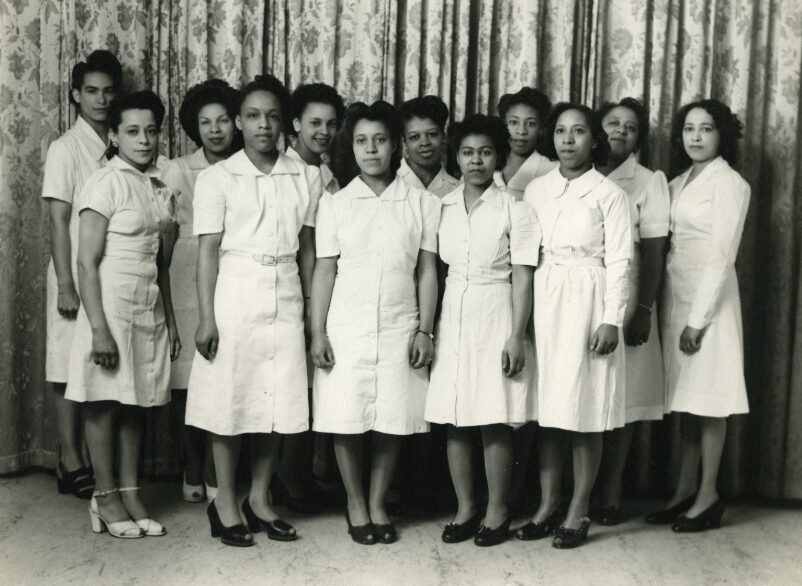
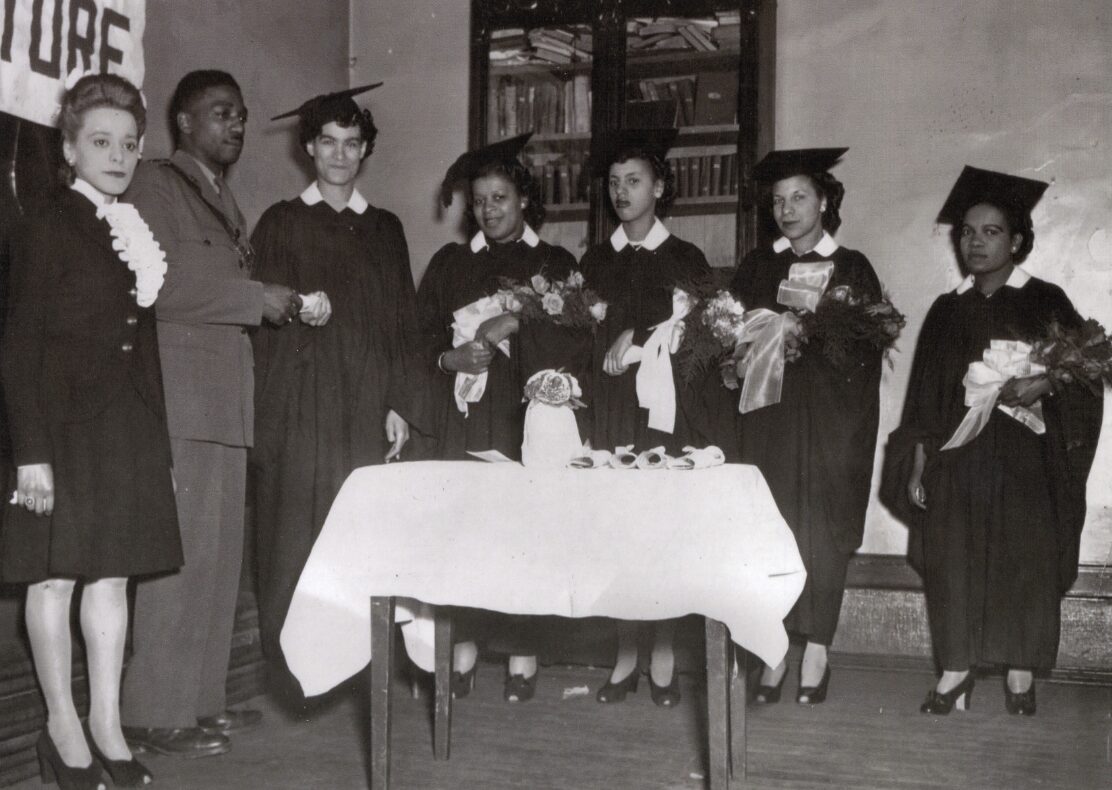
Elle connaissait bien le manque d'opportunités dont souffraient les femmes noires à Halifax, puisqu'elle avait dû parcourir de longues distances simplement pour obtenir son diplôme d'esthéticienne. Dans les années 1940, elle a ouvert à Halifax la « Desmond School of Beauty Culture », le premier établissement à former des femmes noires aux soins capillaires et cutanés.
En 1945, sa première promotion a obtenu son diplôme et a trouvé un emploi au Québec et au Nouveau-Brunswick. Selon Encyclopédie Britannica, chaque année, une quinzaine d'élèves obtenaient leur diplôme de cette école, ce qui encourageait les femmes noires à se lancer dans le secteur de la beauté, formées et motivées pour créer leur propre entreprise.
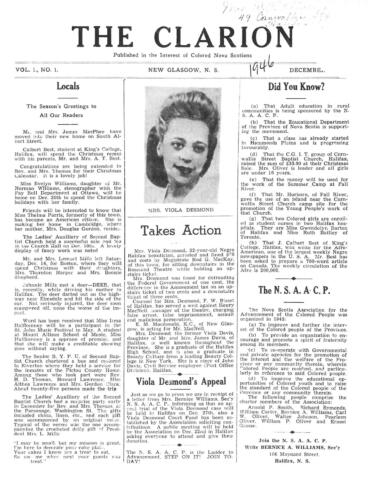
En 1946, alors qu'elle transportait des produits de beauté destinés à des salons de beauté locaux, le trajet de Desmond fut interrompu par une panne de voiture. Pour passer le temps pendant la réparation du véhicule, elle se rendit au Roseland Theatre de New Glasgow.
À l'insu de Desmond, le théâtre appliquait une ségrégation raciale : les places du parterre étaient réservées aux Blancs, tandis que le balcon était « réservé aux personnes de couleur ». Elle a alors été expulsée de force, condamnée à une amende pour fraude fiscale et emprisonnée pendant une nuit sans assistance juridique.
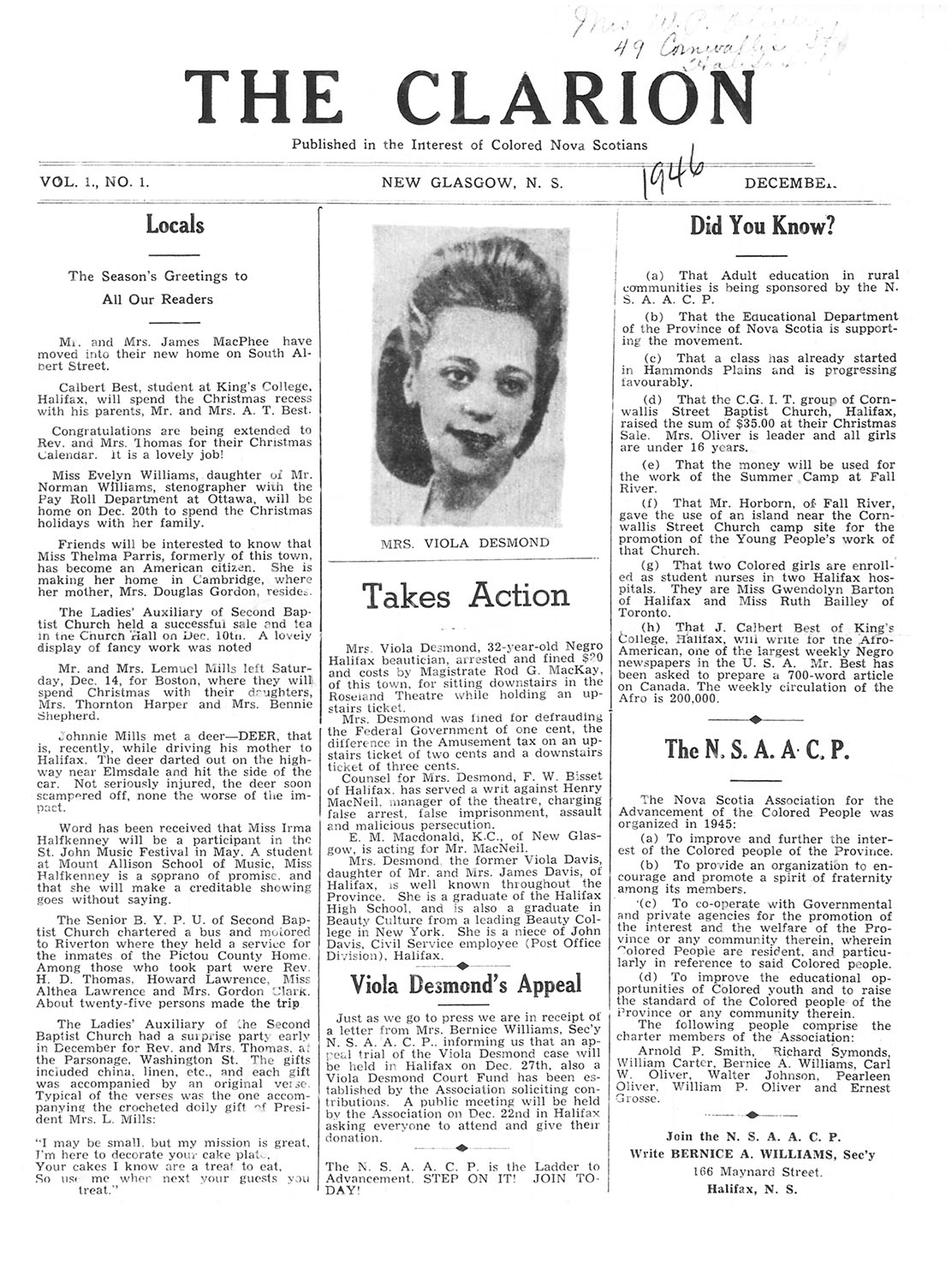
Bien que Desmond ait déclaré qu’elle était disposée à payer la différence de prix d’un cent entre les places au balcon et celles du parterre, le tribunal a affirmé qu’elle avait refusé de la payer et lui a infligé une amende pour « tentative de fraude à l’encontre du gouvernement provincial. » Ignorant les conseils de son mari qui lui recommandait de laisser tomber, Desmond a été encouragée par les responsables de sa paroisse, le révérend William Pearly Oliver et son épouse Pearleen Oliver, ainsi que par la toute nouvelle Association de la Nouvelle-Écosse pour l’avancement des personnes de couleur (NSAACP), à contester cette amende.
Ce fut une longue bataille juridique, centrée sur l’accusation d’évasion fiscale à caractère raciste. Ils ont perdu le procès pour une raison de forme, l’avocat de Desmond n’ayant pas déposé l’appel dans les délais. Desmond a finalement dû payer l'amende de $26, ce qui, dans les années 1940, équivalait à payer $600 en 2026.
Les difficultés financières liées à ce litige ont eu de lourdes répercussions sur sa vie professionnelle et personnelle, ce qui a conduit Desmond à divorcer de son mari et à fermer son salon de beauté ainsi que son école. Elle s'est installée à Montréal, où elle a suivi des études dans une école de commerce, avant de s'établir à New York.
Thompson écrit : « Desmond avait prévu de créer une entreprise à New York lorsqu'elle est tombée malade. » Elle est décédée à l'âge de 50 ans, le 7 février 1965, apparemment des suites d'une hémorragie gastro-intestinale, et repose au cimetière de Camp Hill, à Halifax.
« Si le racisme n’avait pas mis un frein à l’activité de Viola Desmond dans le secteur de la beauté, au lieu de la comparer à Rosa Parks, nous nous souviendrions peut-être d’elle comme d’une C.J. Walker canadienne », écrit Thompson.
Ce que l’on peut retenir de la carrière, brève mais marquante, de Desmond dans le secteur de la beauté, c’est que sans la ségrégation institutionnalisée et le racisme qui régnaient au Canada à l’époque, elle aurait sans doute connu un succès encore plus grand. Son nom évoquerait non seulement sa prise de position au théâtre, mais aussi la femme d’affaires qu’elle était avant tout. Même si ses efforts ont pris fin bien trop tôt, l’impact de ses actions résonne encore fortement aujourd’hui.
En 2010, Desmond a été officiellement graciée à titre posthume par le gouvernement de la Nouvelle-Écosse, qui a ainsi reconnu le préjudice et l’injustice dont elle avait été victime. Au cours des années qui ont suivi, les Canadiens ont commencé à lui rendre l’hommage qu’elle méritait. En 2012, Postes Canada a émis un timbre à l'effigie de Desmond, la reconnaissant ainsi comme une figure importante de l'histoire canadienne.
Le 19 novembre 2018, Desmond est devenue le visage du billet canadien de $10, rendant ainsi un nouvel hommage à l'influence que ses actions ont eue sur sa communauté et aux voies qu'elle a ouvertes. À l'exception de la reine, elle a été la première Canadienne à figurer seule sur un billet de banque.
En 2021, le montant de l'amende et des frais de justice a été versé à sa sœur Robson, qui a fait don de cette somme pour financer une bourse d'études à l'université du Cap-Breton, perpétuant ainsi la conviction de Desmond en faveur de l'éducation pour tous.
Cette section spéciale crée un espace de deux photos qui débordent sur la marge latérale.
La pression financière liée à cette bataille juridique a eu des répercussions sur son entreprise et sa vie personnelle, ce qui a conduit Desmond à divorcer de son mari et à fermer son entreprise de beauté ainsi que son école.
La bourse Viola Desmond de l’université Saint Mary’s a également été créée pour soutenir les étudiants afro-néo-écossais ayant besoin d’une aide financière, en mettant l’accent sur l’entrepreneuriat afin de perpétuer l’engagement de Viola Desmond en faveur de l’égalité des chances pour les esthéticiennes et les entrepreneurs noirs.
Par ailleurs, l'Université métropolitaine de Toronto a créé la bourse Viola Desmond et les prix Day, décernés à des étudiantes s'identifiant comme noires.
Malgré les obstacles auxquels elle a dû faire face, son action en tant qu'entrepreneuse et militante dans les années 1940 a contribué à forger un héritage durable dans le domaine des soins capillaires et de la beauté pour les personnes noires en Nouvelle-Écosse.